





Key Takeaways

User Profile
When you start taking a medication like risperidone, it's natural to have questions. You might be looking at the pharmacy printout, wondering about the long list of potential side effects from common issues like drowsiness to more serious concerns involving hormones, metabolism, and even your heart.
Understanding what to watch for is the first step toward proactively managing your health.
Your Guide to Understanding Risperidone Side Effects
Hello Heart Hero. We get it. Starting a new medication like risperidone can feel overwhelming, and maybe even a little scary. We know you might be skeptical about the healthcare system and are looking for real answers. Reading through a long list of potential side effects can make anyone anxious, and that's a completely normal response.
We're here to cut through the confusion. This guide is designed to give you clear, honest information so you feel empowered and in control of your health journey, not just like a passenger along for the ride.
What Is Risperidone and Why Is It Used?
Risperidone is a prescription medication from a group of drugs known as atypical antipsychotics. Think of it as a tool that helps recalibrate some of the brain's natural chemical messengers, specifically dopamine and serotonin. When these messengers are out of sync, it can lead to conditions that affect our thoughts, mood, and behavior.
The FDA has approved risperidone to help manage symptoms for a few key conditions. For example, in schizophrenia, it works to lessen symptoms like disorganized thinking or hallucinations. For bipolar disorder, it's often used to help control the intense highs of manic episodes. And for irritability linked to autism in children and teens, it can significantly reduce severe irritability, aggression, and self-harming behaviors.
It's important to remember that risperidone doesn't "cure" these conditions. Instead, its job is to manage the most disruptive symptoms. This can make a huge difference in a person's quality of life and their ability to participate in therapy and daily activities. In fact, some studies show it can lead to a 57% reduction in irritability scores for children with autism when compared to a placebo.
Why Knowing the Side Effects Matters
Learning about the side effects of any medication isn't about causing fear, it's about being prepared. When you know what might happen, you can become an active partner in your own healthcare. You shift from being someone who just takes a pill to being an informed observer of your own body.
When you can identify a potential side effect early, you can have a more productive conversation with your doctor. This allows for timely adjustments, whether that means changing the dose, trying a new medication, or finding ways to manage the effect.
Being armed with specific knowledge helps you advocate for yourself, especially if you feel like your concerns aren't being heard. This is particularly true for side effects that can be measured, like changes in your heart rhythm, which we’ll cover in more detail. By understanding the complete picture, you can help ensure your treatment plan is working for you, not against you.
Navigating Common Risperidone Side Effects
Starting a new medication like risperidone can bring up a lot of questions. It's completely normal to feel a bit concerned about what to expect, especially when it comes to side effects. We're here to walk you through the most common ones, so you have a clear picture of what you might experience and how to manage it.
When you begin taking risperidone, your body needs some time to get used to it. During this adjustment phase, you might notice a few changes. While they aren't typically dangerous, they can certainly impact your day to day life. Let's look at them one by one.
Dealing with Drowsiness and Dizziness
One of the most common things people report is a feeling of drowsiness or sedation. You can think of it like this: risperidone works on certain chemical messengers in your brain. As it adjusts these signals, it can sometimes turn down the dial on your alertness, particularly when you first start the medicine or increase your dose. This might leave you feeling sleepy, a little groggy, or just not as sharp as you usually are.
Along with that, you might feel dizzy, especially when you stand up too quickly. This happens because the medication can affect your blood pressure, sometimes causing a brief drop when you change positions from sitting to standing. It's a common issue, and while it can be unsettling, it's often manageable.
If you find yourself struggling with sedation or dizziness, here are a few simple things you can talk about with your doctor. You could try taking risperidone in the evening or right before bed to help you "sleep off" the heaviest drowsiness. It can also help to make a habit of getting up slowly from a sitting or lying position. Just give your body a moment to adjust before you start moving around. Finally, staying hydrated by drinking enough water throughout the day helps keep your blood pressure stable, which can reduce that feeling of dizziness.
These small shifts can make a surprisingly big difference in how you feel. Remember, your daily comfort is important, and it's always okay to look for ways to improve your quality of life.
Addressing Changes in Weight and Appetite
Another major topic for many people on risperidone is weight gain. This isn't just in your head, it's a real, documented side effect. Research shows that a noticeable weight increase is common, often within the first few months. For instance, some studies have noted an average gain of about 6 pounds in just the first eight weeks of treatment.
This weight gain usually stems from a combination of two things: a bigger appetite and shifts in your metabolism. The medication can send signals to your brain that make you feel hungrier than normal, while at the same time changing how your body uses and stores energy from the food you eat.
It's easy to feel frustrated by this. Gaining weight when you weren't expecting to can be disheartening, especially when you're already working on your mental health. The first step is simply acknowledging that this is a known effect of the medicine.
Managing this side effect is all about being proactive. Focusing on a healthy diet can help balance out these metabolic changes. Some research even suggests that certain diets, like those lower in carbohydrates and higher in healthy fats, might help restore the brain's energy balance. But even small, consistent adjustments can be powerful.
Here are a few practical tips to try. First, focus on whole foods. Try to build your meals around fruits, vegetables, lean proteins, and healthy fats like those found in avocados and nuts. Second, plan your meals. Having healthy meals and snacks ready to go can make it easier to bypass less nutritious choices when hunger suddenly kicks in. Third, incorporate gentle movement. Regular physical activity, whether it's walking, yoga, or swimming, is proven to boost both mental and physical health.
While these common side effects of risperidone can be challenging, they can often be managed with the right approach and by keeping an open line of communication with your doctor. Your experience is valid, and finding ways to feel good in your body is a vital part of your overall health journey.
Understanding Involuntary Movement Side Effects
For some people, one of the most jarring side effects of risperidone can be changes in muscle control and movement. Medically, these are called extrapyramidal symptoms, or EPS, but you might just feel them as strange, involuntary actions in your body. Let's break down what these are so you know exactly what to look for.

It's completely normal to feel concerned if you start noticing unusual twitches or a feeling like you just can't stay still. We hear you. Knowing what these symptoms are is the first step toward managing them with your doctor.
Akathisia: The Feeling of Inner Restlessness
Have you ever felt so antsy that you simply cannot find a comfortable position? Think about the feeling after drinking way too much coffee, that urgent, unstoppable need to move your body. This intense inner restlessness is a side effect known as akathisia.
People with akathisia often find themselves constantly fidgeting, pacing the room, or shifting their weight from one foot to the other. It’s more than just feeling a little jittery; it's a deeply uncomfortable and often distressing compulsion to be in motion. This symptom can be particularly challenging because it gets in the way of your ability to feel calm and settled.
Parkinsonism and Dystonia: Muscle Stiffness and Spasms
Beyond just restlessness, risperidone can sometimes lead to symptoms that mimic Parkinson's disease. This is called drug-induced parkinsonism. It might show up as muscle stiffness, making your arms or legs feel rigid and hard to move. You might also notice slowed movement, like walking with a shuffle, or that your everyday actions feel unusually slow and deliberate. A slight shaking, often in the hands when they're resting, can also occur.
Another related symptom is acute dystonia, which involves sudden, involuntary muscle spasms. These can be startling and uncomfortable, typically affecting the muscles in your neck, face, or back. You might feel your head pull to one side, your eyes roll upward, or your jaw clench tightly on its own. These spasms usually appear shortly after starting the medication or after a dose increase. While other antipsychotics, like haloperidol, carry a higher risk for these symptoms, it's still important to be aware of them with risperidone. You can see how different medications stack up in our article on haloperidol side effects.
The Long-Term Risk: Tardive Dyskinesia
One of the more serious long-term side effects to watch for is tardive dyskinesia (TD). This condition involves repetitive, involuntary movements that often affect the face, mouth, and tongue. Think of tic-like motions such as lip-smacking, tongue-darting, or constant chewing movements.
Tardive dyskinesia typically develops after you've been on the medication for a while, sometimes months or even years. The most important thing to know is that early detection is critical.
That’s because, in some instances, TD can become permanent even after the medication is stopped. Statistics show that extrapyramidal symptoms can affect up to 20 to 30% of people taking risperidone, especially at higher doses. While the risk of developing TD is lower, rising to 5 to 7% after a year of use, it's a serious concern that highlights why regular check-ins with your doctor are so vital. Noticing and reporting any unusual movements early gives you and your doctor the best chance to adjust your treatment and prevent long-term problems.
How Risperidone Can Affect Hormones And Metabolism
Beyond the more immediate side effects, risperidone can also work behind the scenes, creating changes in your body's hormonal balance and the way it handles energy. It's only natural to be concerned about this, so let's walk through what these shifts are and what they mean for your health.
These hormonal and metabolic effects can feel a bit invisible at first, but understanding them is key. Knowing what’s going on inside your body empowers you to work with your doctor and take charge of your long-term well-being.
The Hormone Connection: Hyperprolactinemia
One of the most frequent hormonal effects of risperidone is a spike in a hormone called prolactin. The medical name for this is hyperprolactinemia. You can think of risperidone as a traffic controller in the brain that blocks certain dopamine signals. Since one of these signals is responsible for keeping prolactin in check, blocking it can cause prolactin levels to climb.
This isn't a rare occurrence. Hyperprolactinemia is surprisingly common, stemming from the drug's powerful blockade of dopamine D2 receptors. This hormonal imbalance affects a staggering 45% to 80% of males and 30% to 80% of females taking the medication, sometimes leading to significant reproductive and sexual side effects.
For men, this can result in gynecomastia, the development of enlarged breast tissue. This specific issue drew a lot of attention after a 2015 long-term study showed that adolescent boys on risperidone were up to five times more likely to develop it than those not on the drug. You can read more about these findings on the NIH website. These changes can be tough, both physically and emotionally, but it's important to remember this is a known effect of the medication.
For both men and women, elevated prolactin levels can lead to a reduced libido (a lower sex drive), sexual dysfunction impacting both performance and satisfaction, and infertility, as high prolactin can disrupt normal reproductive cycles. Over the long haul, it can even cause bone density loss, which can increase the risk for osteoporosis.
In women, this can specifically trigger irregular menstrual cycles or cause periods to stop altogether. In men, it can lead to gynecomastia, which can be particularly distressing.
Metabolic Changes: Weight Gain and Diabetes Risk
Hormones and metabolism are tightly connected, like two dancers who have to move in perfect sync. When risperidone alters your hormonal state, it can also disrupt your metabolic rhythm. This is why many people experience significant weight gain while on the medication, it's not just about an increased appetite. The drug can actually change how your body processes and stores sugars and fats.
The connection between risperidone, weight gain, and increased cholesterol can be concerning. It's not just about the number on the scale; it's about protecting your long-term health from conditions like type 2 diabetes and heart disease.
This metabolic disruption can make your body less sensitive to insulin, the hormone that controls your blood sugar. Over time, this insulin resistance can increase your risk of developing metabolic syndrome or even type 2 diabetes. It also frequently causes a rise in blood cholesterol and triglycerides. If you want to dive deeper into how these fats affect your heart, you might find our guide on the role of cholesterol in heart health helpful.
When risperidone creates these kinds of long-term health concerns, resources on mastering chronic condition management at home can be incredibly valuable. The best approach is a proactive one. Regular check-ins with your doctor to monitor your weight, blood sugar, and cholesterol are essential. This helps you catch any shifts early and create a plan to protect your health while still getting the mental health benefits from your medication.
Risperidone and Your Heart: What to Watch For
We've covered some of the more visible side effects of risperidone, but now it's time to talk about something you can't see, yet is critically important: your heart health. It's completely normal to have questions about how a new medication might affect your heart. Our goal is to give you clear information so you can feel informed and proactive, not anxious.
Your well-being is the top priority, and that means understanding every aspect of your treatment. Let’s walk through how risperidone can impact the heart and what you can do to keep a close eye on it.
Your Heart’s Electrical Rhythm
To understand how risperidone can affect your heart, let's start with how your heart beats. Think of your heart's electrical system like a finely tuned engine. After each beat, it needs a specific amount of time to reset before firing again for the next beat. This "reset time" is essential for a steady, regular rhythm.
In medical terms, this reset period is called the QTc interval, a measurement doctors can see on an electrocardiogram (ECG). While risperidone is generally considered to have a lower cardiac risk than some other antipsychotics, it can sometimes cause this reset time to become a little longer than it should be. This is known as QTc prolongation.

A slightly prolonged QTc interval often isn't a problem on its own. However, if it becomes too long, it can increase the risk of a serious type of irregular heartbeat. This is why being aware of it is so important. If you're curious about what other medications can have this effect, check out our guide on drugs that cause prolonged QT interval.
Symptoms to Watch For
Besides the QTc interval, risperidone can sometimes lead to other heart-related symptoms. These are often tied to its effects on your nervous system and blood pressure. You might notice things like palpitations, which can feel like your heart is skipping a beat, fluttering, or beating too hard or fast. Another is orthostatic hypotension, the medical term for feeling dizzy or lightheaded when you stand up too quickly. It happens when the medication causes a temporary drop in blood pressure. You could also experience tachycardia, which simply means a faster-than-normal heart rate.
While these symptoms can be unsettling, they provide valuable information for you and your healthcare team.
Proactive Heart Monitoring at Home
It's common to want to take a more active role in your own health. Fortunately, modern technology makes this easier than ever. You no longer have to wait for a doctor’s appointment to get a glimpse into your heart's activity.
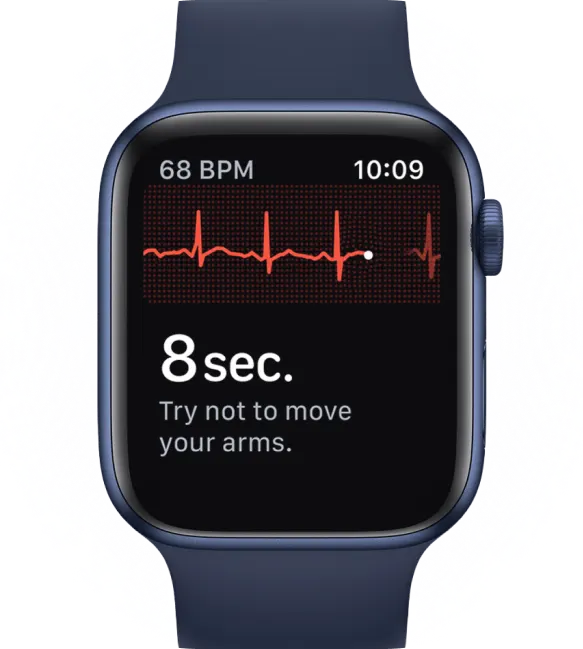
Wearable devices like the Apple Watch, Fitbit, or Samsung watches, along with personal ECG devices like Kardia, allow you to take an ECG anytime you feel a symptom. This is incredibly empowering. Instead of just telling your doctor you felt a flutter, you can show them the actual data from that exact moment.
Here's an example of how you can use a service like Qaly to get expert interpretations of your at-home ECGs.
This screenshot shows how the Qaly app presents your ECG readings, making it simple to track your heart health right from your phone. By using a service like this, you can have your ECGs reviewed by certified professionals, giving you both peace of mind and concrete data to share.
Taking charge of your heart health means being an active participant. Monitoring your ECG at home empowers you to gather valuable insights that can lead to more productive conversations with your doctor and ensure your treatment plan is as safe as possible.
Services like Qaly bridge the gap between your at-home device and a clinical expert. You get your ECGs, including your PR, QRS, and QTc intervals, reviewed by a certified cardiographic technician, often within minutes. This gives you a clear, expert-backed report you can bring to your next appointment, turning a vague concern into actionable data.


What To Do About Risperidone Side Effects
Knowing about the side effects of risperidone is one thing, but knowing what to do about them is what really matters. Feeling in control starts with a clear plan. This section is all about action, helping you understand when to move quickly and how to talk to your doctor with confidence.
It can be tough to sort out which symptoms are urgent and which can wait. To make it simple, let's go over the "red flags." Think of these as clear signals that you need to call your doctor or get medical care right away.
Red Flags That Need an Immediate Call
Some side effects are more serious and demand prompt attention. Don't wait to reach out to a healthcare provider if you experience any of these. Watch for sudden, severe muscle spasms, especially in your neck, back, or eyes. Also, a high fever paired with stiff muscles, sweating, and confusion are classic signs of a serious condition called Neuroleptic Malignant Syndrome. You should also seek immediate care for feelings of fainting, chest pain, or a very fast or irregular heartbeat. Finally, report any uncontrollable movements in your face, tongue, or other body parts that you haven't experienced before.
Having a Productive Conversation With Your Doctor
For less urgent side effects, like gradual weight gain or mild drowsiness, you can usually bring them up at your next scheduled appointment. The key is to come prepared. Your concerns are valid, and having a structured conversation helps make sure you get the answers you need.
One of the most important things to remember is to never stop taking risperidone suddenly on your own. Stopping abruptly can cause withdrawal symptoms or a relapse of your condition. Always work with your doctor to make changes safely.
Here are a few ways you can start the conversation and open a dialogue. You could say, "I've been experiencing [side effect], and it's starting to affect my daily life. Can we talk about it?" Or try, "I'm concerned about the weight gain I've noticed since starting risperidone. What are our options for managing this?" You could also ask, "I was wondering if my dose could be adjusted to help reduce these side effects," or, "Are there any other medications we could consider that might have a different side effect profile for me?"
By asking specific questions, you help turn a one-way update from your doctor into a two-way conversation about your health. It's perfectly reasonable to discuss other options, like Abilify or Seroquel, which might work differently for you. You can also explore having more detailed check-ups. To learn more about this, feel free to read our guide on what is cardiac monitoring. Remember, your voice is a crucial part of your treatment plan.
Frequently Asked Questions About Risperidone
Starting any new medication comes with a lot of questions. It's completely normal, and smart, to want to understand what you might experience. We’ve put together answers to some of the most common questions people have about risperidone and its side effects.
How Long Do Risperidone Side Effects Last?
This is one of those "it depends" situations, as everyone's body reacts differently. For many people, initial side effects like drowsiness or dizziness tend to get better over the first few weeks as their system gets used to the medication.
However, other effects, like weight gain or changes to your hormones, can stick around for as long as you're taking risperidone. The key is to keep a log of how you're feeling and talk openly with your doctor about it. They can give you a better idea of what to expect and help manage anything that doesn't go away.
Should I Stop Taking Risperidone If Side Effects Are Bad?
It’s incredibly important to never stop taking risperidone suddenly without talking to your doctor first. Stopping cold turkey can trigger uncomfortable withdrawal symptoms or, worse, cause the original condition it was treating to come back with a vengeance. Your safety is the number one priority, and sudden changes are risky.
The best path forward is to work with your healthcare provider. They have many options to help, like adjusting your dose, switching to a different medication such as Abilify or Seroquel, or coming up with strategies to manage the specific side effects you're experiencing.
Can Risperidone Cause Permanent Damage?
While rare, it's true that some long-term side effects can be permanent. The most well-known of these is tardive dyskinesia, which involves involuntary, repetitive movements.
This is precisely why regular check-ins with your doctor are so critical. By monitoring you closely, they can catch potential issues early, which is the absolute best way to prevent any lasting problems. Having these honest conversations about the risks and benefits helps you stay in control of your treatment plan.

With the Qaly app, you can use your wearable ECG device to monitor your heart's rhythm and get expert interpretations of your readings in minutes.



.png)
.png)