


.jpg)


Key Takeaways

User Profile
Hello, heart hero. Starting a new medication like bisoprolol can bring up a lot of questions, especially when you glance at a list of potential side effects. It’s common to see things like feeling tired, dizzy, or even noticing cold hands and feet. Most of the time, these are just signs that your body is getting used to its new, calmer rhythm.
Your Guide to Understanding Bisoprolol
Think of this guide as a friendly chat, not another dense medical document. We're going to walk through how bisoprolol works and what that means for your body, all in simple, straightforward terms. Our goal is to swap any worry you might have with real understanding, giving you the confidence to take charge of your health.
We get it. You're looking for clear answers from a source that takes your concerns seriously. We've built this guide to be exactly that: empathetic, clear, and genuinely helpful. Managing your heart health is a team sport, and we want you to feel like a key player on that team.
What to Expect From This Guide
Knowledge is power, especially when it comes to health. When you understand the "why" behind potential bisoprolol side effects, they feel a lot less scary. This article will help you:
- Understand the science simply: We’ll break down how bisoprolol actually works, no confusing jargon needed.
- Know what’s normal: Learn how to tell the difference between common, less common, and serious reactions.
- Feel more in control: Get practical tips for monitoring your health and talking with your doctor.
A Holistic View on Heart Health
Taking care of your heart involves more than just medication. Your daily habits are a huge piece of the puzzle and can really influence how your body responds to treatment. Being proactive here can make all the difference.
A comprehensive approach is key. Beyond your prescription, adopting a solid heart-healthy diet plan is crucial. Simple lifestyle adjustments, paired with your medication, can give your cardiovascular system the support it needs and boost your quality of life.
Remember, taking bisoprolol is a positive step toward protecting your heart. This guide is here to support you on that journey, giving you the clarity and reassurance you need to move forward.
Bisoprolol is part of a family of drugs called beta-blockers, which are designed to help your heart work more efficiently. If you want to dive deeper, you can learn more about how beta-blockers affect your heart and ECG in our detailed article. This background can give you valuable context as you start your treatment. We’re here to help every step of the way.
How Bisoprolol Works and Why Side Effects Occur
To really get a handle on bisoprolol side effects, it helps to first understand what the medication is actually doing inside your body. Don't worry, we'll skip the heavy medical textbook language and break it down with a simple analogy.
Imagine your heart is lined with tiny "accelerator pedals" known as beta-1 receptors. When you’re stressed, anxious, or exercising, your body releases hormones like adrenaline, which "press down" on these pedals. The result? Your heart beats faster and pumps harder.
Bisoprolol acts like a gentle, selective roadblock on some of these accelerator pedals. It essentially tells your heart, "Hey, you can ease up a bit, you don't need to work so hard right now." This action slows your heart rate to a calmer pace and lessens the force of each contraction, which is exactly how it lowers blood pressure and reduces strain on your heart.
The Connection Between Action and Side Effects
Now, here’s the key: the very thing that makes bisoprolol so effective is also what can cause side effects. When your heart settles into this new, more relaxed rhythm, your body simply needs some time to adjust. It’s not a sign that something is wrong. It’s actually a sign the medication is doing its job.
For example, feeling tired or a bit dizzy is really common when you first start. Your body has been running in a higher gear, and this new, slower pace can feel a little strange until it becomes your new normal.
This is a journey many people go on, from feeling a little worried about these new sensations to feeling confident and in control once they understand what's happening.

As the visual shows, moving from worry to confidence is a process, and it starts with understanding why your body is reacting the way it is.
Why Your Heart Rate Slows Down
One of the most direct results of bisoprolol is a slower heart rate, a condition known as bradycardia. This isn't just a side effect; it's one of the main goals of the medication. Since bisoprolol dials back both the speed and the force of your heart's contractions, it's completely normal for your pulse to be lower than it was before you started treatment.
This effect is also why it's so important to be aware of the long-term effects of beta-blockers on your heart's rhythm. A slower, steadier beat is often the goal.
The side effects you feel are often a direct result of the positive changes the medication is making to protect your heart. It’s your body’s way of saying, "Okay, I'm adjusting to this new, healthier pace."
Understanding this connection can be incredibly empowering. It helps shift your perspective from seeing side effects as a problem to seeing them as a logical, and often temporary, part of the medicine's helpful work.
Navigating Common and Less Common Side Effects
Now that we understand why side effects happen, let’s get into what you might actually feel. Seeing a long list on a pharmacy printout can be daunting, but most of what people experience are common, manageable, and often just temporary adjustments. My goal here is to give you a clear, practical breakdown so you know what to expect and when to simply give your body time to adapt.
The most frequently reported bisoprolol side effects are a direct result of the medication doing exactly what it's supposed to do: calming your heart and lowering your blood pressure. Think of it like turning down the volume on a loud stereo. The sudden quiet can feel a bit strange at first.
These initial feelings are just your body learning its new, healthier rhythm.

The Most Common Sensations
These are the side effects you're most likely to notice, especially during the first few weeks. They almost always lessen as your body gets used to the medication.
- Feeling Tired or Fatigued: This is by far the most common one. Since your heart is working at a more relaxed pace, your body receives a little less oxygenated blood with each pump. This can make you feel tired until your system adjusts to this new level of efficiency.
- Dizziness or Lightheadedness: Bisoprolol lowers your blood pressure. A natural result is feeling a bit dizzy, especially when you stand up too quickly. This happens because it takes a moment for your blood pressure to catch up to the change in position.
- Cold Hands and Feet: The medication can slightly reduce blood flow to your extremities. This is a normal response as your circulatory system prioritizes getting blood to your vital organs. Keeping warm socks or gloves nearby is a simple fix.
As bisoprolol gets to work on your heart rate and blood pressure, some people also explore complementary strategies to fight fatigue and improve blood pressure. These gentle adjustments are often part of the initial phase.


Less Common Side Effects to Be Aware Of
While less frequent, some people experience other types of adjustments. Knowing about them helps you stay prepared and less worried if they happen to pop up.
These effects can sometimes be a bit more surprising, but they're still generally part of your body's adjustment process.
- Stomach Upset: You might experience some nausea, diarrhea, or constipation. This is usually mild and can often be managed by taking bisoprolol with a meal.
- Sleep Disturbances: Some people report having a harder time falling asleep or experiencing more vivid dreams. This is related to how beta-blockers can influence your central nervous system.
- Slower Heart Rate: While a lower heart rate is the goal, sometimes it can dip a bit lower than intended. You might feel unusually sluggish or weak if this occurs.
Bisoprolol is just one type of beta-blocker, and while many share similar side effects, there can be subtle differences. For instance, you can check out our guide on propranolol side effects to see how they compare.
It's important to remember that not everyone will experience these side effects. Many people take bisoprolol with very few, if any, noticeable changes to their daily life.
Broader Effects on Your Body
The impact of bisoprolol can sometimes reach beyond just cardiovascular symptoms. It’s helpful to understand the full picture, as this knowledge will prepare you for more informed conversations with your doctor.
Bisoprolol's effects can sometimes touch on neuropsychiatric and respiratory systems. For instance, while insomnia is a possibility, large-scale studies have found no significant link between using bisoprolol and developing depression. On the respiratory side, some people might feel a shortness of breath, which occurs in up to 32.7% of patients who experience side effects from beta-blockers in general.
The key is telling the difference between a normal adjustment and something that needs a professional opinion. Giving your body a few weeks to acclimate is usually the best first step. But if any side effect feels persistent, severe, or is seriously impacting your quality of life, it's always the right move to check in with your healthcare provider. They can help adjust your dose or explore other options to make sure your treatment works for you.
Serious Side Effects and When to Seek Help
While most side effects of bisoprolol are mild and often fade as your body adjusts, it's crucial to know which symptoms are more serious. This isn't about causing alarm. It's about empowering you with the knowledge to tell the difference between a minor issue and something that needs a quick response.
Think of it like the dashboard lights in your car. A low-fuel light is a heads-up, but a flashing check engine light demands immediate attention. Knowing the serious bisoprolol side effects helps you act confidently and stay safe.
Most people will never run into these issues, but being prepared offers valuable peace of mind.
Recognizing Red Flag Symptoms
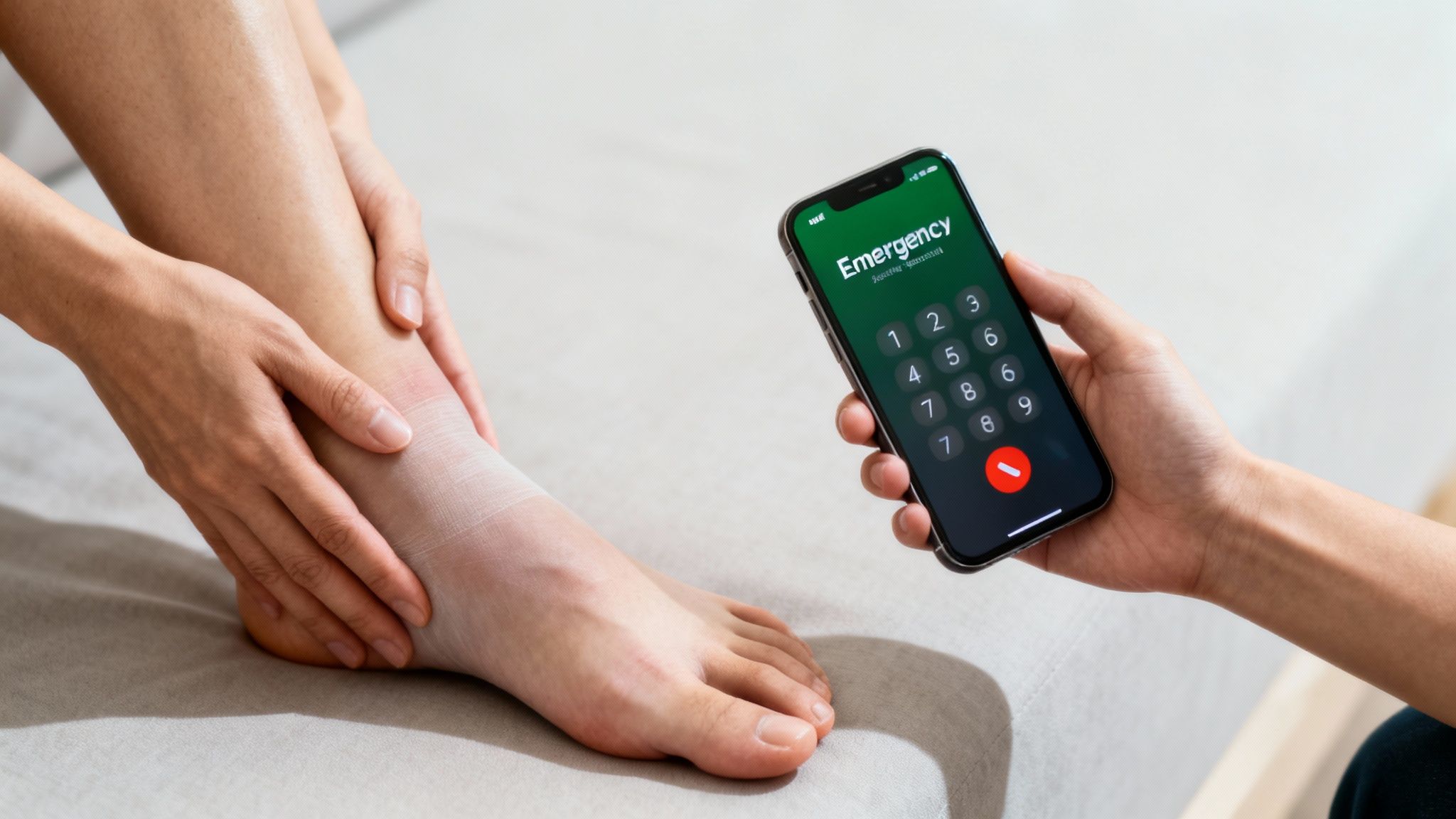
Certain symptoms are your body's way of sending up a flare, signaling that something isn't right and you need help. If you experience any of the following, it's important to seek medical attention right away. These signs could point to your blood pressure dropping too low or your heart rate slowing down to an unsafe level.
Here are the key "red flag" symptoms to watch for:
- Extreme Dizziness or Fainting: Feeling a little lightheaded when you stand up can be a common adjustment. But if you feel like you're about to pass out, or you actually faint, this is a serious warning sign.
- Significant Shortness of Breath: Suddenly finding it hard to breathe, especially while you're resting or lying down, requires immediate medical care. This is a world away from the mild breathlessness you might feel after light exercise.
- Swelling in Your Legs, Ankles, or Feet: If you notice sudden and significant swelling (edema), it can be a signal that your heart isn't pumping as effectively as it should be.
- An Unusually Slow Heartbeat: Bisoprolol is designed to lower your heart rate, but a pulse that feels extremely slow, weak, or irregular warrants a call to your doctor. An excessively slow heart rate, or bradycardia, can sometimes become a problem. You can learn more by reading about what causes bradycardia in our detailed guide.
- Chest Pain or Tightness: Any new or worsening chest pain should always be taken seriously. Get it checked out by a medical professional immediately.
Why You Should Never Stop Abruptly
This brings us to an absolutely critical point: never stop taking bisoprolol suddenly. If you experience side effects, even serious ones, your first move should always be to contact your doctor or get emergency help, not to stop the medication on your own.
Stopping abruptly can trigger a rebound effect, leading to a dangerous spike in blood pressure, chest pain, or even a heart attack. Your body has gotten used to the medication, and if a change is necessary, it needs to be weaned off slowly under a doctor's supervision.
Think of it like this: your heart has been leaning on bisoprolol for support. If you suddenly yank that support away, it can be a major shock to your system. A gradual, guided withdrawal is the only safe path forward.
If any of the serious symptoms we've discussed pop up, your priority is to get help. Call your doctor's office immediately for guidance. If the symptoms feel severe or you can't reach them, don't hesitate to call emergency services or go to the nearest emergency room. Your safety is always the top priority.
Understanding Bisoprolol's Deeper Impact on Your Body
The number you see on a blood pressure cuff is a vital piece of information, but it doesn’t tell the whole story about what’s happening inside your body. While bisoprolol excels at lowering that reading, its effects are much more nuanced. Let's explore how it subtly interacts with your entire cardiovascular system.
Think of your circulatory system like the plumbing in a house. The water pressure might be perfect at the outdoor spigot (your arm), but it could be different in the pipes closer to the water main (your heart). Similarly, bisoprolol can affect blood pressure differently in the central arteries near your heart compared to the peripheral arteries in your arm where it's typically measured.
Grasping this can be incredibly helpful, especially if your blood pressure readings look great, but you're still feeling "off."
The Difference Between Lying Down and Standing Up
Your body posture plays a surprisingly significant role in how bisoprolol manages blood pressure. This is a key reason why you might feel dizzy when standing up, even if your numbers seem fine while sitting. The medication's effects can change dramatically based on what you're doing.
For example, research has shown that while bisoprolol effectively lowers blood pressure when a person is lying down, it may not do the same for the pressure in your central arteries when you are upright and active. One study revealed that bisoprolol actually increased resistance in the blood vessels by about 2.7 times when subjects were upright, creating an unexpected effect on central blood pressure during daily activities. You can discover more insights about these findings on nature.com.
This means the medication might be working perfectly for your resting state but could be influencing your cardiovascular system differently as you move through your day.
Knowing this detail helps you have a more informed conversation with your doctor. If you say, "My numbers are good, but I feel dizzy every time I stand up," it provides a clearer picture of the medication’s true impact.
This isn't a flaw in the medication. It's simply a deeper look into the complex and dynamic way it works within your body. Understanding these finer points empowers you to better interpret your body’s signals and advocate for your own health with greater confidence.
Your Questions About Bisoprolol Answered
Starting a new medication always brings up a few questions. It's completely normal to wonder about the day-to-day experience of taking something like bisoprolol. Let's clear up some of the most common concerns to help you feel more comfortable and confident.
We'll tackle the practical questions that are probably on your mind right now.
Will Bisoprolol Side Effects Ever Go Away?
For most people, the answer is a reassuring yes. That feeling of tiredness or dizziness is usually most pronounced in the first few weeks. Think of it as an adjustment period where your body is getting used to a new, calmer rhythm.
As your system adapts to the medication, these initial side effects typically fade away or become much less noticeable. Of course, if any bisoprolol side effects hang around for more than a few weeks or really get in the way of your life, it's time for a chat with your doctor. They can figure out if a simple dose change or a different strategy is needed.
Can I Drink Alcohol While Taking Bisoprolol?
This is a really important question, and the smart move is to be cautious. Alcohol also tends to lower blood pressure. When you mix that with bisoprolol, which is designed to do the same thing, you can magnify the effect.
This combination can make side effects like dizziness and lightheadedness feel much stronger, which raises your risk of a fall. Since everyone's health is different, there’s no single right answer here. The best thing to do is have an honest conversation with your doctor about what amount of alcohol, if any, is safe for you.
What Should I Do If I Miss A Dose?
Life happens, and you might forget a dose. Don't panic. The general guideline is simple: take it as soon as you remember.
But there's a key exception. If it's already close to the time for your next scheduled pill, just skip the one you missed and continue with your regular schedule. The most important rule is to never take a double dose to make up for it. Taking too much at once can cause a risky drop in your heart rate and blood pressure. Consistency is the goal, but safety always comes first.

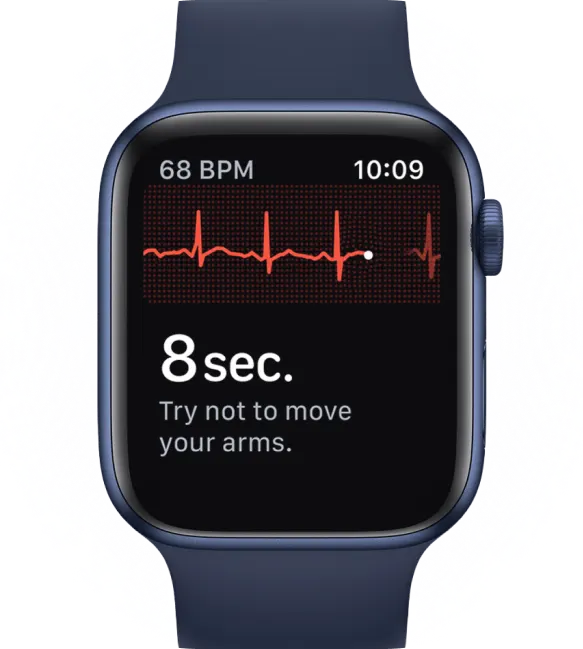
Monitoring your heart on bisoprolol? Qaly's certified technicians analyze your Apple Watch, Fitbit, or Kardia ECGs and provide clear reports for your doctor.



.png)
.png)