




Key Takeaways

User Profile
Hello Heart Hero. We know that trying to make sense of health information can feel like you're lost in a maze, unsure of what's true and what's not. You’re asking a super important question: "does hypertension cause AFib?" The short answer is yes, high blood pressure is a huge risk factor for developing atrial fibrillation.
This guide is here to give you clear, trusted answers, so you can feel confident and in control of your heart health.
Understanding Your Heart's Rhythm and Pressure
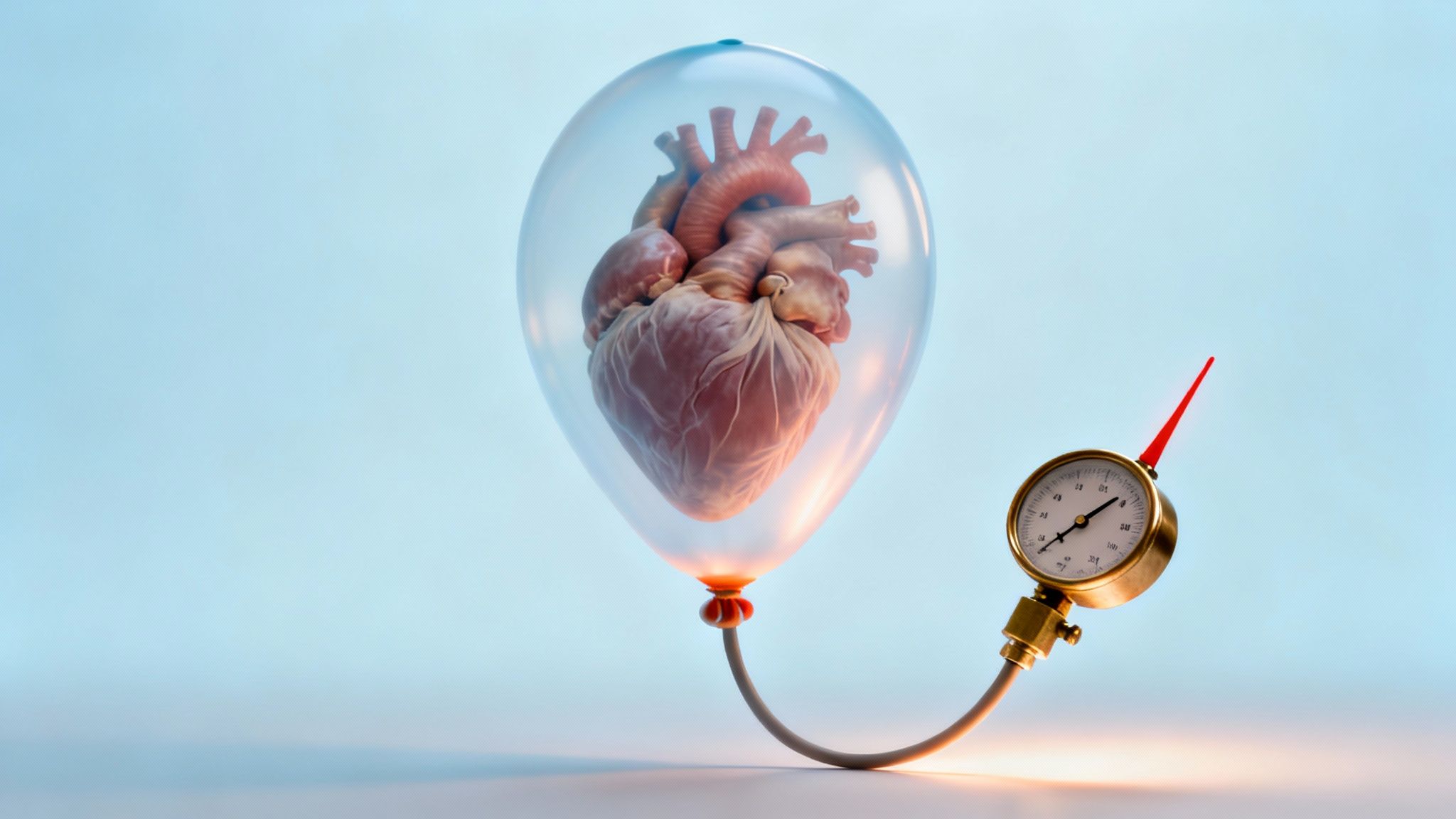
Let's start with a simple way to picture it. Think of your heart's upper chambers, the atria, like small, flexible balloons. Under normal pressure, they fill and empty perfectly, keeping your heart's rhythm steady.
But high blood pressure is like constantly forcing too much air into them. Over time, this relentless strain stretches and damages the delicate heart tissue. This physical damage is exactly what can set the stage for AFib.
This strain can disrupt the heart's electrical pathways, a bit like faulty wiring in a house, leading to the chaotic, irregular rhythm of AFib. This isn't just a theory; it's a connection backed by decades of solid evidence.
The landmark Framingham Heart Study found that about 20% of all AFib cases could be directly linked to hypertension. This really shows how critical managing your blood pressure is for keeping a steady heart rhythm.
How Pressure Becomes an Electrical Problem
It might seem strange that a physical force (high blood pressure) can cause an electrical problem (AFib), but it's a direct chain of events. The persistent pressure causes physical changes in the heart that interfere with its finely tuned electrical signaling system.
This concept map shows how hypertension creates a direct path to an increased AFib risk.

As the visual shows, it’s a domino effect. Sustained high blood pressure leads to atrial stretch and scarring (a process called fibrosis). These changes then disrupt the heart's electrical pathways, which ultimately increases your risk of AFib.
Let's break that down even further.
How High Blood Pressure Affects Your Heart's Electrical System
This table gives a simple, step-by-step look at how the mechanical stress from high blood pressure can lead to an electrical issue like AFib.
This structural damage is precisely why managing your blood pressure is so important. It’s not just about the numbers on a cuff; it’s about protecting your heart from physical changes that can cause long-term rhythm problems.
In fact, research shows that high blood pressure can effectively double your risk of developing AFib, a risk that climbs higher the longer your hypertension goes unmanaged. You can explore more about these findings in detail.
How High Blood Pressure Physically Changes Your Heart
To really get a handle on how hypertension can lead to AFib, we need to look at what's physically happening to your heart over time. Doctors have a term for this, cardiac remodeling, but you can think of it in much simpler terms.
Imagine your heart is a muscle that has to pump against constantly high pressure. It’s like trying to push a heavy door open against a powerful, non-stop wind, every single second of the day. Your heart is tough, but that kind of relentless strain eventually starts to change its physical structure.

To cope with this extra work, the heart muscle, particularly in the left atrium (one of the top chambers), starts to thicken and get stiffer. This might sound like it’s getting stronger, like a bicep after lifting weights, but for an organ that needs to be flexible, this stiffness is a major problem.
The Problem with a Stiff Heart
A healthy heart needs to be pliable so it can fill with blood easily between beats. When the walls of the atrium get stiff, they lose that elasticity. This makes it harder for the chamber to fill up properly, which can cause blood to back up and crank up the pressure inside even more.
This kicks off a pretty vicious cycle:
- Constant Stretching: High pressure is always stretching the walls of the atria.
- Thickening and Stiffening: The heart muscle thickens and gets less flexible in response.
- Scar Tissue Formation: This persistent strain also causes tiny scars to form on the heart tissue, a condition called fibrosis.
It's these stiff, scarred patches that set the stage for electrical trouble. They just don't conduct the heart's electrical signals the way healthy tissue does.
Think of your heart's electrical system like a perfectly paved highway. When fibrosis happens, it’s like creating a bunch of potholes and roadblocks all over that highway. The electrical signals can no longer travel smoothly from point A to point B.
From Physical Damage to Electrical Chaos
These roadblocks force the electrical signals to find new, roundabout paths. This creates electrical "short circuits" that can set off the chaotic, fluttering beats of atrial fibrillation. So, when people ask, "does hypertension cause AFib?" the answer is yes, absolutely, by physically damaging the heart and messing up its electrical wiring.
This remodeling process is also a big player in other serious heart conditions. The long-term strain from hypertension can eventually weaken the heart muscle, making it harder for it to pump blood effectively. If you want to learn more about this, check out our guide on understanding heart failure and what it looks like on your ECG.
At the end of the day, managing your blood pressure isn't just about hitting a certain number. It's about protecting the very structure and function of your heart from these damaging physical changes.
The Real-World Link Between Blood Pressure and AFib
It's one thing to hear that a connection exists, but it’s another to see the hard evidence. We're not here to cause alarm, but to empower you with the knowledge of why getting your blood pressure under control is so critical for your heart's rhythm.
Major, long-term studies have consistently shown a direct and undeniable link between blood pressure levels and the odds of developing AFib. This isn't just a minor correlation; it's a powerful finding that pops up again and again in medical research.
What these studies show is a clear "dose-response" relationship. Think of it this way: the higher your blood pressure climbs, and the longer it stays there, the greater your risk becomes. This means someone with hypertension is far more likely to develop AFib than someone with normal blood pressure, even after accounting for other risk factors. It really cements high blood pressure as a primary driver of the physical changes in the heart that pave the way for AFib.
What the Data Tells Us
Let's put some numbers to this. A landmark study followed nearly 10,000 people for over two decades to see who would eventually develop AFib.
The results were striking: participants with hypertension had a 50% higher risk of developing AFib compared to those with normal blood pressure. This research, detailed in Frontiers in Cardiovascular Medicine, confirms a direct, linear relationship: as systolic blood pressure goes up, so does the risk of AFib.
This isn't just abstract data. It paints a clear picture of what this risk means for your long-term heart health.
Why This Link Matters for You
Understanding this connection puts the power back in your hands. While you can't control factors like genetics, blood pressure is something you can actively manage.
Taking steps to control it isn't just about preventing heart attacks or strokes; it's also one of the single most effective things you can do to protect your heart's delicate electrical system from the chaos of AFib.
It’s also important to remember that hypertension often has partners in crime. Lifestyle choices or even certain prescriptions can affect your heart. For a fuller picture of potential risks, check out our guide on medications that cause atrial fibrillation.
When Other Health Conditions Increase Your Risk
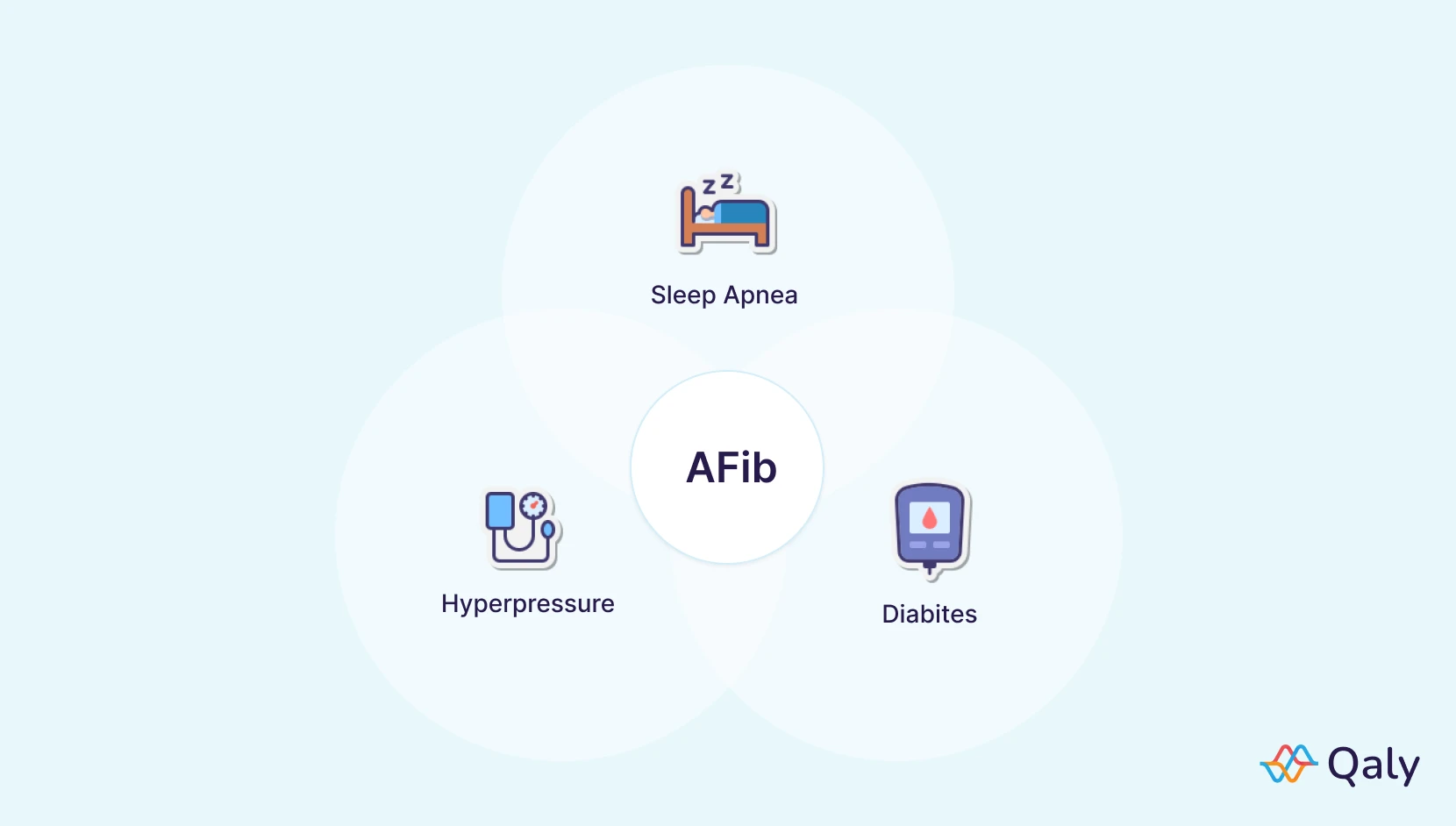
High blood pressure rarely works alone. Think of it as the ringleader of a gang of troublemakers, where other health conditions, known as comorbidities, pile on and crank up the strain on your heart. Understanding how these factors play together is crucial to seeing the bigger picture of your health.
When conditions like diabetes, sleep apnea, or high cholesterol show up alongside hypertension, they create a perfect storm that can dramatically increase your risk for atrial fibrillation. Each one adds its own layer of stress, making your heart's job that much harder.
The Team of Risk Factors
Let's break down how some of these common conditions contribute to the problem, working in tandem with high blood pressure to make AFib more likely.
- Diabetes: This condition is tough on blood vessels and nerves all over your body, including those that supply your heart. This damage, layered on top of the structural changes from high blood pressure, creates an environment ripe for electrical misfires.
- Obstructive Sleep Apnea (OSA): With OSA, you repeatedly stop and start breathing during sleep. This causes sudden drops in oxygen and sharp spikes in blood pressure, putting immense, abrupt stress on your heart, night after night.
- High Cholesterol: High cholesterol leads to plaque buildup in your arteries, a process called atherosclerosis. This narrows the highways your blood travels through, forcing your heart to pump harder to get the job done. It's like adding a heavy trailer to a truck that's already struggling uphill.
- Thyroid Disorders: An overactive or underactive thyroid can also throw your heart's rhythm completely out of whack. To learn more about this specific connection, check out our guide on the link between thyroid disorders and your heart.
Why Blood Pressure Swings Matter
It's not just a consistently high number you have to worry about; it's also the swings in your blood pressure. This is known as blood pressure variability. Think of it like a car engine that's constantly revving up and then slamming on the brakes. That kind of inconsistency is incredibly taxing on your heart muscle and blood vessels.
These fluctuations can be especially damaging. In fact, research looking at adults with type 2 diabetes found that those with the highest blood pressure readings faced approximately double the risk of AFib compared to those with lower, more stable readings. This heightened risk was made even worse by long-term blood pressure fluctuations. You can learn more about these findings to see just how important stability is.
A holistic view is your best defense. Managing just one condition isn't enough when several are working together. Addressing hypertension, diabetes, sleep apnea, and cholesterol as a connected system gives you the best chance to protect your heart's rhythm.
By understanding that these conditions don't exist in a vacuum, you can take a more complete approach to your health. It's about recognizing the entire team of risk factors and working to manage all of them, not just the one that seems most obvious.


Actionable Steps to Protect Your Heart's Rhythm
Knowing the link between high blood pressure and AFib is a great start, but taking action is what really protects your heart. It can feel like a lot to take on, but you have tremendous power to influence your own health. Let's break down some practical, tangible strategies you can start using today.
The key is putting yourself in the driver's seat. This isn't about a massive, overnight life change. It's about making small, sustainable choices that build on each other over time, creating a routine that genuinely works for you.

Embrace Heart-Smart Nutrition
What you eat has a direct, and often immediate, impact on your blood pressure. The goal here is simple: make easy swaps that reduce the strain on your heart without sacrificing the foods you enjoy.
A few key dietary shifts can make a huge difference:
- Reduce Sodium: When you eat too much salt, your body holds onto extra water. This increases the volume of blood in your vessels, which in turn cranks up the pressure. Watch out for processed foods, canned soups, and fast food; they're often loaded with hidden sodium.
- Boost Potassium: This mineral is your friend when it comes to blood pressure. It helps your body balance sodium levels and actually eases tension in your blood vessel walls. You can find it in delicious, everyday foods like bananas, spinach, sweet potatoes, and avocados.
If you're looking for a more comprehensive guide on how nutrition fits into a broader heart-healthy lifestyle, check out our post on atrial fibrillation lifestyle changes.
Get Moving for Your Heart
Physical activity is one of the most powerful tools you have for lowering blood pressure. It’s not just about burning calories; exercise strengthens your heart muscle, makes it more efficient, and improves your overall circulation.
You don't need to become a marathon runner to see the benefits. Consistency is what counts. Aim for at least 150 minutes of moderate-intensity exercise per week. You can break this up into smaller, more manageable chunks. Think brisk walking, cycling, swimming, or even just dancing around your living room.
Manage Stress Naturally
It's no secret that stress is bad for us, but for your heart, chronic stress can be a real problem. When you're constantly stressed, your body can keep your blood pressure consistently elevated. Finding healthy ways to cope isn't a luxury; it’s a necessity.
Simple, mindful practices can help calm your nervous system and lower blood pressure naturally. Even just a few minutes a day can make a significant difference in how your body responds to daily pressures.
Try working some simple techniques into your routine. This could be deep breathing exercises, a few minutes of meditation in the morning, or some gentle yoga. These practices help activate your body’s natural relaxation response, providing a powerful antidote to the physical toll of stress.
Your Action Plan for Lowering AFib Risk
To bring it all together, here’s a quick summary of the key lifestyle changes and monitoring habits you can adopt to manage your blood pressure and protect your heart rhythm.
By building this toolkit of options, from the food you eat to the way you manage stress, you create a sustainable, heart-healthy lifestyle that puts you firmly in control.
Using Modern Tools to Monitor Your Heart Health
Taking an active role in your own health journey is incredibly empowering, especially when it feels like your concerns aren't being heard. The good news is that today's technology puts powerful resources right in your hands, shifting you from a passive patient to an informed guardian of your own heart.
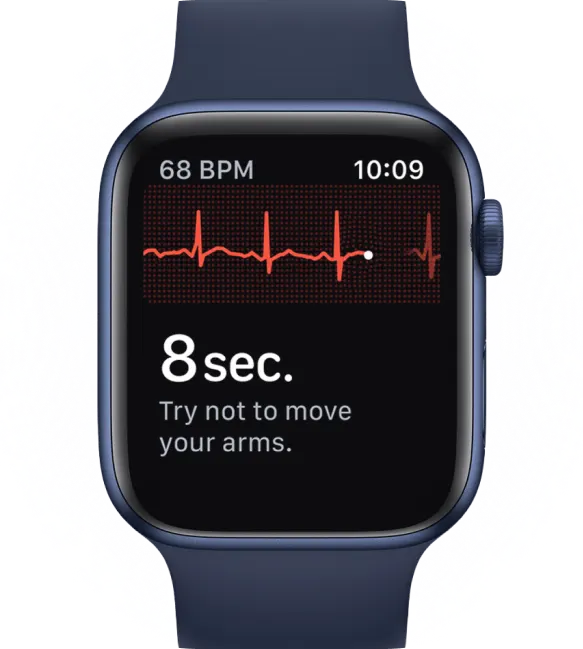
Modern tools can be a true partner in your wellness routine. An app like Qaly, for example, lets you take an ECG with your wearable device anytime you feel a flutter or just want to check in. This gives you a real-time snapshot of your heart’s rhythm, providing valuable data that bridges the long gaps between doctor’s appointments.
Turning Data into Dialogue
When you regularly monitor your ECG from home, you and your doctor get a much clearer picture of what's really going on. You can start to see how your body responds to the lifestyle changes you're making, whether it's shifting your diet or starting a new exercise routine.
Having this personal data helps you have more productive, informed conversations about your care. To keep you motivated and on track with your activity levels.
It's all about building a deeper understanding of your own body. By tracking changes and spotting irregularities early, you gain the confidence to advocate for yourself and work with your care team as an equal partner.
Using these tools helps make sure your concerns are backed by concrete data. It makes it easier to communicate what you're experiencing and get the care you deserve.
Frequently Asked Questions
It's completely normal to have more questions. We know that feeling of uncertainty is a big part of navigating any health concern. You want trustworthy answers, and you've come to the right place. Here are some clear, reassuring responses to the most common questions we hear about hypertension and AFib.
Can I Reverse My AFib Risk If I Lower My Blood Pressure?
Getting your blood pressure down is one of the most powerful things you can do for your heart. While it might not completely "reverse" physical changes that have already happened in your heart, getting it under control can significantly slow down or even stop further damage.
Think of it as finally taking a heavy, constant strain off your heart muscle. When you do that, you dramatically lower your odds of developing AFib down the road and help keep your heart's electrical wiring stable. It's a proactive step that truly makes a massive difference.
What Blood Pressure Level Is Dangerous for AFib?
There isn't a single magic number where the danger suddenly kicks in. Instead, the risk climbs steadily as your pressure rises. However, medical guidelines generally define hypertension as any consistent reading of 130/80 mmHg or higher.
Staying in this range, or above it, puts significant and continuous stress on your heart, which directly increases your AFib risk. The longer your blood pressure stays elevated, the more that cumulative risk grows over time, which is why consistent management is so key.
What Are the Best Natural Ways to Lower My Risk?
Lifestyle changes are the absolute foundation for managing both blood pressure and AFib risk, and they can be incredibly effective. You have more control here than you might think.
Here are some of the most impactful natural strategies to focus on:
- Adopt a heart-healthy diet that’s low in salt and packed with vegetables, like the DASH diet.
- Get regular physical activity, and try to aim for things you actually enjoy, like brisk walking or cycling.
- Maintain a healthy weight to reduce the overall workload on your heart.
- Limit alcohol consumption, since it can directly raise blood pressure and even trigger AFib episodes.
- Manage stress through calming practices like meditation, deep breathing, or gentle yoga.
These steps all work together to create a healthier environment for your heart, giving you a powerful, natural toolkit for lowering your risk.

Get expert interpretations of your watch ECGs in minutes, day or night.



.png)
.png)