




Key Takeaways

User Profile
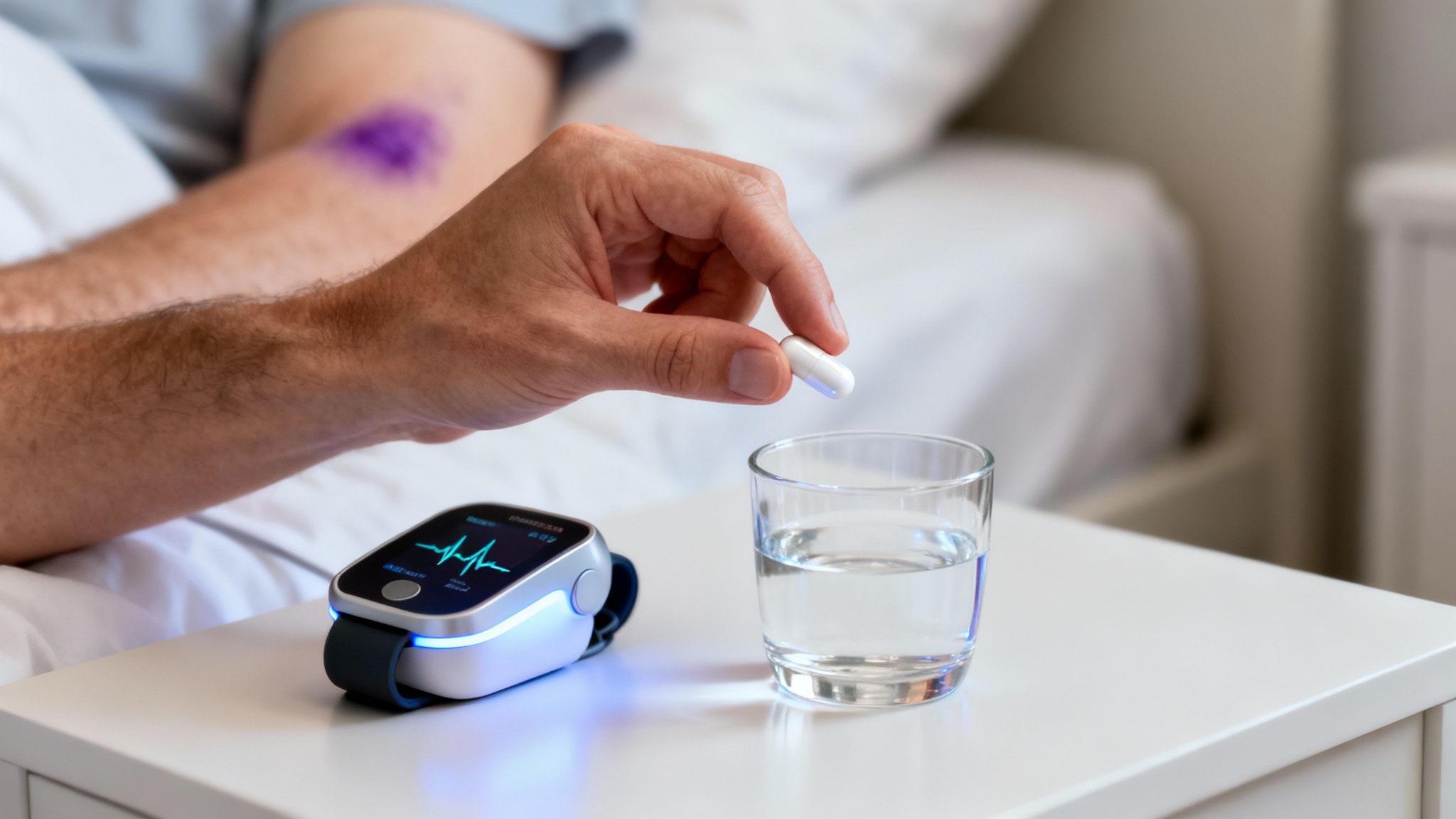
Hello, Heart Hero. Starting a new medication can bring up a lot of questions, and it’s so important to get answers you can trust. Let's talk about rivaroxaban. The most common side effects are related to bleeding, like bruising more easily, having nosebleeds, or noticing that cuts take longer to stop bleeding.
Navigating Your Journey with Rivaroxaban
It's completely normal to feel a bit overwhelmed when your doctor prescribes a medication like rivaroxaban, which you might know as Xarelto. You’re likely looking for information that feels more personal and less clinical than a standard pharmacy printout, and that's exactly why we're here. We want this guide to feel like a conversation with a trusted friend, offering straightforward insights that respect your concerns.
We'll skip the confusing medical jargon and talk about the side effects of rivaroxaban in a way that makes sense for your real life. Our goal is to give you the knowledge you need to feel confident and in control, especially if you're feeling a bit skeptical about the usual medical advice.
Why This Information Matters
Understanding how rivaroxaban works is the first step toward using it safely. Think of it as a specialized tool designed to prevent dangerous blood clots, which is a critical job for conditions like Atrial Fibrillation (AFib). To do this, it intentionally makes it a little harder for your blood to clot. This core function is precisely why bleeding-related side effects are the most common ones you'll hear about.
Your health journey is your own, and being informed is your greatest strength. Understanding both the benefits and potential side effects of your medication helps you become an active partner in your own care, leading to the best possible outcomes for you.
This guide will walk you through:
- What you might expect day-to-day while taking rivaroxaban.
- How to tell the difference between a minor issue and something that needs a doctor's attention.
- The practical steps you can take to manage your health proactively.
For many people with AFib, blood thinners are a key part of their treatment plan. You can learn more about the different options available in our guide on blood thinners for AFib. Please remember, you're not alone in this, and gaining clarity is a powerful step forward.
The Most Common Side Effect: Understanding the Bleeding Risks
When you take any blood thinner, the biggest thing on everyone’s mind is the risk of bleeding. It's a valid concern. Think of rivaroxaban as a really good traffic controller for your bloodstream. Its main job is to keep things flowing smoothly to prevent dangerous "traffic jams," which in this case, are blood clots.
But in doing its job so well, it also makes it a bit harder for your body to form the helpful clots you need when you get a cut or an injury. This is the fundamental trade-off with any medication like this. Let's break down what this actually means for you in your daily life, so you feel prepared, not worried.
Differentiating Minor and Major Bleeding
For most people, the most common side effects of rivaroxaban are minor and manageable. You might notice you bruise more easily, finding marks on your arms or legs from bumps you don't even remember. A small nick while shaving could bleed for a little longer than you're used to, or you might get an occasional nosebleed. These are generally expected and not a cause for panic.
The key is to know the signs of more serious bleeding so you can act quickly if needed. It really comes down to being in tune with your body and recognizing what's different from your normal. Knowing the difference between typical and excessive bleeding, like the kind of information found in guides for managing post-procedure bleeding, can be really valuable when you're on a blood thinner.
Understanding the Statistics
Years of data confirm that bleeding is the most frequent side effect. Studies have shown that some form of bleeding can happen in 5% to 28% of patients. More serious events, classified as major hemorrhage (like internal bleeding), are reported in up to 4% of cases. It's important to remember these numbers can vary a lot depending on individual health factors.
Beyond bleeding, a few other effects have been noted, though they are much less common:
- Dizziness happens in about 2% of patients.
- Insomnia also affects about 2% of patients.
- Fatigue is seen in 1% of patients.
- Depression or anxiety is also noted in about 1% of patients.
The goal here isn’t to cause worry, but to build awareness. Knowing what to look for empowers you to take swift, confident action if a serious symptom ever appears, helping you get the care you need right away.
Recognizing these signs early is the most important step you can take. In the next section, we’ll dive deeper into what qualifies as a serious reaction and who might be at a higher risk, giving you the information you need to stay safe.
Understanding Serious Reactions and Who Is Most at Risk
While most people do well on rivaroxaban, it's smart to know about the less common but more serious reactions. This isn't about creating anxiety; it's about being informed and prepared. This awareness is especially important for certain groups who might be more sensitive to rivaroxaban's side effects.
Knowing if you might be at a higher risk helps you and your family have more productive, confident conversations with your healthcare team. It gets everyone on the same page, focused on keeping you safe while you get the benefits of the medication.
Why Age and Health Conditions Matter
Older adults, especially those over 75, need to be particularly watchful. It’s not just about age; it’s about the natural changes that happen as we get older. For instance, kidney function can gradually decline, which changes how the body processes medications like rivaroxaban.
When your kidneys don't filter as well as they used to, the drug can stay in your system longer. This can strengthen its effects and, in turn, increase the risk of bleeding. This is why your doctor keeps a close eye on your kidney health when prescribing this medication.
On top of that, juggling multiple health conditions can complicate things. If your body is already managing other issues alongside your heart condition, adding a potent medication like rivaroxaban requires careful, dedicated monitoring.
A global analysis of over 32,000 adverse event reports found that nearly all (99.4%) were classified as serious. The majority of these events were seen in patients over 75 years old, which really shows why this group requires extra care. Discover more insights from this important safety review.
This data really drives home the importance of a close partnership with your doctor, particularly as you get older.
Identifying Higher-Risk Individuals
Several factors can put someone at a higher risk for serious side effects. Being aware of them allows you to be more proactive about your health.
Here are some key risk factors to be mindful of:
- Being over 75 years old: As we've talked about, age-related changes in organ function are a major factor.
- Existing kidney or liver problems: These organs are the body's processing plants for rivaroxaban. If they aren't working at full strength, medication levels can build up in your blood.
- A history of stomach ulcers or bleeding: If you've had gastrointestinal bleeding in the past, you're naturally more susceptible to it happening again on a blood thinner.
- Taking multiple medications: The more drugs you're on, the greater the chance of an interaction that could increase your bleeding risk.
Thinking about these factors isn't meant to be a list of worries. It's about understanding your personal health landscape. This knowledge empowers you and your doctor to create a safety plan tailored specifically to you, ensuring the safest possible experience with rivaroxaban.
Beyond Bleeding: Other Common Side Effects
While it's true that bleeding risks get most of the attention with rivaroxaban, your overall well-being is much bigger than just one potential issue. It's completely normal to wonder about the other, less dramatic side effects that can still affect your daily life. Sometimes, these are the very things that make you feel like something is "off," even if you can't quite put your finger on it.
Many people taking this medication find themselves dealing with practical challenges that aren't always in the spotlight. This could be a nagging fatigue that makes it tough to get through the day, bouts of dizziness that leave you feeling unsteady, or even skin issues like a persistent itch or an unexpected rash. Paying attention to these experiences is a key part of managing your health.
Navigating Dizziness and Fatigue
Feeling dizzy or unusually tired are two of the more common non-bleeding side effects of rivaroxaban. While they’re often mild, they can definitely be unsettling. Dizziness, for instance, might be related to changes in blood pressure. In some cases, it could even be a subtle hint of anemia if minor, undetected bleeding is happening.
If you start feeling dizzy, it’s smart to take a few simple precautions:
- Move slowly when you stand up from a sitting or lying position.
- Keep your home well-lit and clear of tripping hazards like loose rugs.
- Hold off on driving or using machinery until you feel steady on your feet again.
Fatigue can be trickier to pin down, but it's a real and draining experience for some people. You should always mention these symptoms to your doctor. They can help figure out the cause and make sure it isn’t a sign of something more serious.
Understanding the Full Spectrum of Side Effects
It's important to remember that while some side effects seem minor, the overall picture of how people react to rivaroxaban can be complex. A large review of adverse reaction reports found a huge range of issues, with gastrointestinal and nervous system problems being among the most frequent. This data, which showed that a striking 86.2% of reported reactions were classified as serious, really highlights why it's so vital to listen to your body. You can read the full research on rivaroxaban adverse events to get a deeper sense of these findings.
Your experience is valid. If a new symptom pops up after you start a medication, it’s worth bringing up with your healthcare provider, no matter how small it seems. You are the expert on your own body.
It can also be helpful to see how your experience stacks up against those taking similar medications. Feel free to check out our guide on the side effects of apixaban to see how it compares. This kind of perspective can arm you for a more informed conversation with your doctor about what to expect.


Drug and Lifestyle Interactions to Avoid
Taking rivaroxaban safely is all about being mindful of what else you're putting into your body. Think of it like a carefully balanced conversation happening inside you. Adding certain drugs or even supplements can interrupt that conversation, sometimes strengthening rivaroxaban's side effects, especially the risk of bleeding. This section is your practical checklist to help you stay in control of that conversation.
The goal here is to empower you to be your own health advocate. Just knowing which questions to ask your doctor or pharmacist is a huge first step in making sure your entire treatment plan works together safely.
Common Medications to Discuss with Your Doctor
One of the biggest interactions involves the pain relievers many of us grab without a second thought: nonsteroidal anti-inflammatory drugs (NSAIDs).
It's a good idea to be extra cautious with these common medications:
- Ibuprofen (Advil, Motrin)
- Naproxen (Aleve)
- Aspirin (unless your doctor has specifically told you to take it)
Here's the issue: these drugs also affect blood clotting. When you combine them with rivaroxaban, it's like having two different players trying to do the same job on the field, which can dramatically increase your risk of a bleed. It’s also helpful to understand how other anti-clotting medications work. For instance, learning about the side effects of clopidogrel can give you a broader picture of how different antiplatelet drugs function.
Supplements and Lifestyle Factors
It’s not just prescriptions and over-the-counter pills you need to watch out for. Certain supplements and even lifestyle habits can affect how rivaroxaban works. For example, herbal products like St. John’s wort can actually make rivaroxaban less effective, which could increase your risk of forming a dangerous blood clot.
Your daily habits are a core part of your treatment plan. Being open with your doctor about everything you take, including supplements, and your lifestyle choices, like alcohol consumption, is so important for your safety.
Alcohol is another one to be careful with. It can irritate the lining of your stomach, and when you mix that with a blood thinner, you raise the odds of gastrointestinal bleeding. The key is to have an open, honest conversation with your healthcare provider about your habits. That way, they can give you advice that actually fits your life.
How to Monitor Your Health and When to Seek Help
Staying in tune with your body is always important, but it’s especially vital when you’re taking a powerful medication like rivaroxaban. Being your own health advocate means knowing exactly what to watch for and feeling confident about when to reach out for professional help. This knowledge empowers you to manage the side effects of rivaroxaban and, most importantly, stay safe.
It’s crucial to understand the difference between a minor issue and a true medical emergency. For general, reliable guidance on when to seek urgent medical attention versus heading straight to the emergency room, it helps to be informed ahead of time.
Urgent Warning Signs That Require Immediate Attention
Some symptoms are simply too serious to wait on. If you experience any of the following, please seek emergency medical help right away, as they could be signs of a major bleed or even a stroke:
- Sudden weakness on one side of your body or noticeable face drooping.
- A severe headache that feels completely different from any you've had before.
- Signs of significant bleeding, like coughing up or vomiting blood (which may look like coffee grounds), or stools that appear black and tarry.
- Vision problems, sudden confusion, or trouble speaking or walking.
Trust your instincts. If something feels seriously wrong, it's always better to get it checked out immediately. You are never bothering anyone by seeking help in an emergency.
Bridging the Gap with Your Doctor
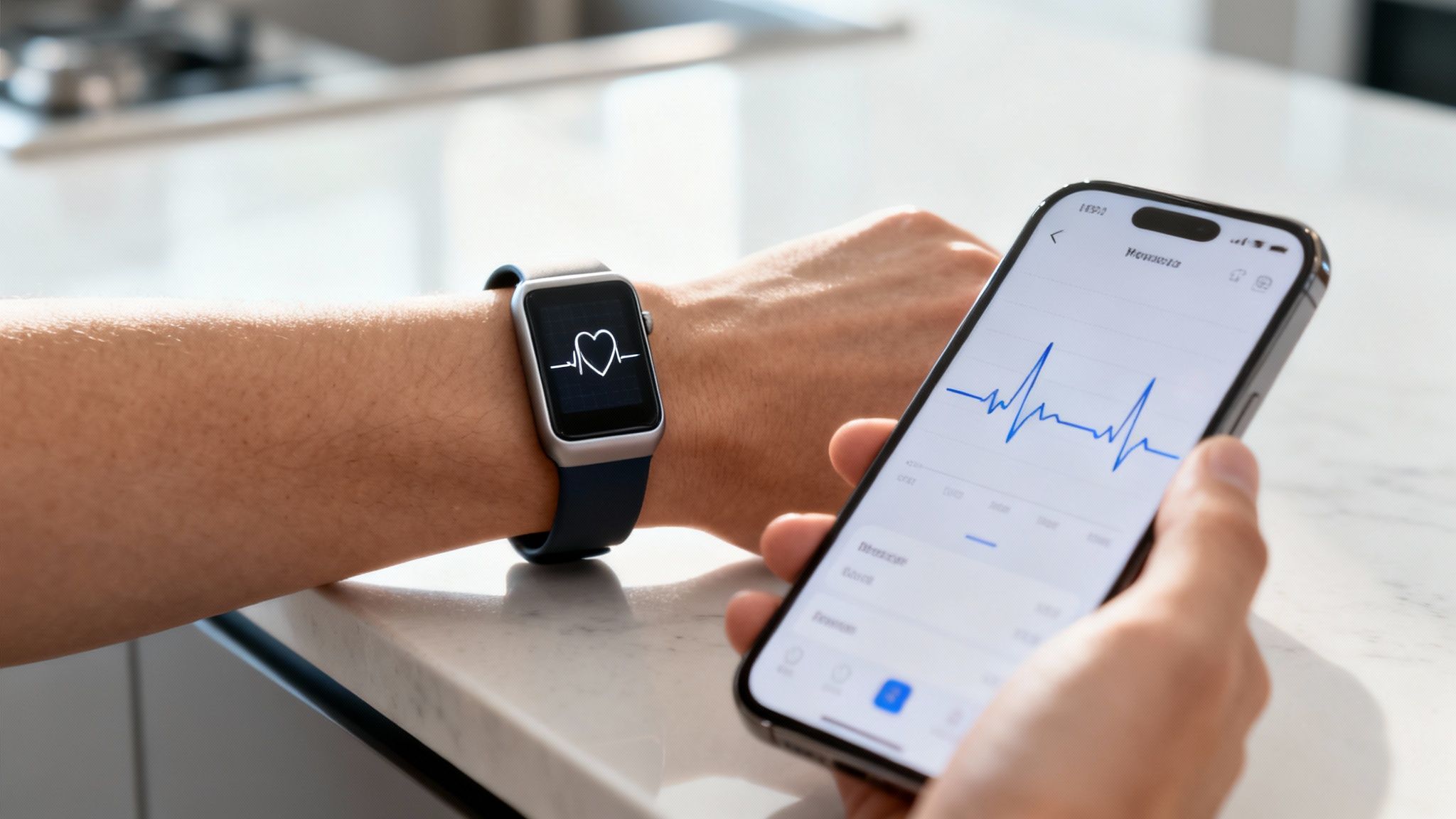
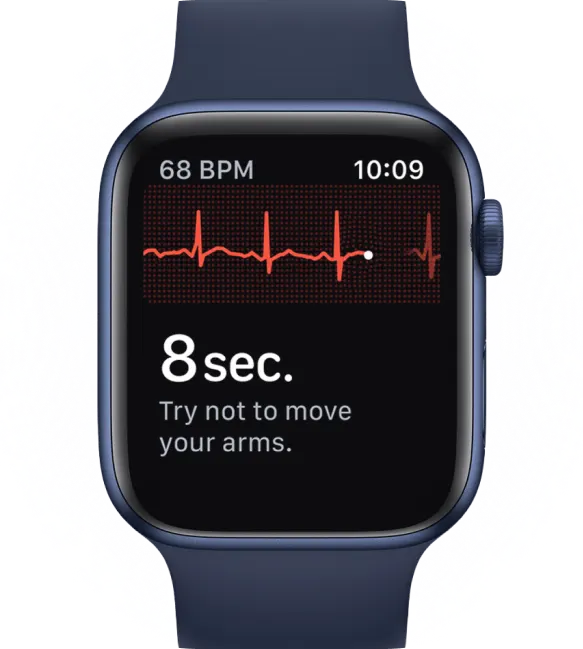
For any non-urgent concerns, modern technology can be a powerful ally. If you have a condition like Atrial Fibrillation (AFib), a wearable ECG device can help you track your heart rhythm and symptoms right from home, giving you a clearer picture of what’s happening between appointments.
Services like Qaly can interpret your ECG readings, giving you detailed information you can then share with your doctor. This data helps bridge the gap between what you experience day-to-day and your doctor's clinical expertise, leading to more productive conversations and better care. It's also useful to know how other blood thinners compare; you can find more on that in our article about the side effects of warfarin. By actively monitoring your health, you play a key role in your own safety and well-being.
Common Questions About Taking Rivaroxaban
Starting a new medication always comes with a few questions about how it fits into your daily life. It’s completely normal, and getting clear answers can help you feel much more confident and in control of your treatment.
Let’s walk through some of the most common practical concerns people have about taking rivaroxaban.
Can I Drink Alcohol While Taking Rivaroxaban?
It’s smart to be cautious here. While a single, occasional drink might be fine for some, regular or heavy drinking can seriously increase your risk of stomach bleeding. Alcohol on its own can irritate the lining of your stomach.
When you add a medication that’s designed to prevent clots, any small bleed can become much more significant. The best move is always to have an honest chat with your doctor about your drinking habits. They can give you advice that’s tailored specifically to you and your health.
What Should I Do If I Miss a Dose?
This is probably one of the most frequent questions people ask. The answer depends on your prescribed schedule.
If you take rivaroxaban once a day, just take the missed dose as soon as you remember on that same day. The key is not to take more than one dose in a single day to play catch-up.
If you take it twice a day, it's okay to take both doses at once to get back on track for that day's total. However, you should never double up a dose to make up for a pill you missed on a previous day. When in doubt, a quick call to your pharmacist or doctor is always the safest bet.
Do I Need to Change My Diet?
One of the best things about rivaroxaban compared to older blood thinners is the freedom it gives you with your diet. You can continue to enjoy your meals without worrying about tracking specific vitamins.
Unlike older anticoagulants like warfarin, you don't have to worry about avoiding foods rich in Vitamin K, such as spinach or other leafy greens. For the most part, you can stick with your normal, balanced diet.
That said, it’s always a good idea to talk to your doctor before starting any new high-dose supplements, particularly things like fish oil or vitamin E, as they can also affect your bleeding risk. A heart-healthy diet is always a great choice.

For anyone with an ECG-enabled smartwatch, Qaly provides expert interpretations of your readings in minutes, giving you clear insights to share with your doctor.



.png)
.png)