





Key Takeaways

User Profile
Hello Heart Hero.
A factor Xa inhibitor is a newer kind of blood thinner that helps prevent harmful blood clots from forming. It works by zeroing in on a specific protein in your blood called Factor Xa, a crucial part of the clotting process. By blocking just this one protein, the medication stops the chain reaction that leads to a clot.
Your Guide to Understanding Blood Thinners
Figuring out your health can feel like a lot, especially when you're trying to get clear answers on your own. It's totally normal to feel a bit overwhelmed or even a little skeptical when starting a new medication. This guide is here to demystify a type of drug called a factor Xa inhibitor and explain why it can be so vital for your heart health.
We get it. You're here for real answers, not just a bunch of medical jargon. Our goal is to give you the knowledge you need, because understanding your treatment is the first step toward taking control of your own health journey.
Why Are These Medications Prescribed?
Doctors often prescribe a factor Xa inhibitor to protect you from serious problems caused by blood clots. Think of these medications as a first line of defense, putting a protective barrier between you and a potential medical emergency.
Some of the most common reasons include:
- Preventing Stroke in Atrial Fibrillation (AFib): When the heart has an irregular rhythm like AFib, blood can pool and form clots. If one of those clots travels up to the brain, it can cause a stroke. A factor Xa inhibitor makes it much more difficult for these dangerous clots to get started.
- Treating Deep Vein Thrombosis (DVT): This happens when a blood clot forms in a deep vein, usually in the leg. These medications help dissolve the clot that's already there and stop new ones from developing.
- Preventing Pulmonary Embolism (PE): If a piece of a DVT breaks off and travels to the lungs, it can cause a life-threatening blockage called a pulmonary embolism. These drugs are critical for both treating and preventing this.
Think of your body's clotting process as a complex series of dominoes. A factor Xa inhibitor works by carefully removing one single, critical domino, Factor Xa, from the line. This simple action stops the entire cascade from toppling over and forming a clot.
This targeted approach is what makes these medications so effective. They work precisely where needed without broadly interfering with your body’s other functions. As you keep reading, we'll explore exactly how they do this and what it means for you. If you're managing atrial fibrillation specifically, you can learn more about the role of various blood thinners for AFib in our detailed guide. This foundational knowledge will help you feel more confident and prepared for conversations with your healthcare team.
How a Factor Xa Inhibitor Protects Your Body
Let’s break down the simple but brilliant science behind how a Factor Xa inhibitor works to keep you safe.
Think of your blood's ability to clot as a cascade of falling dominoes. For a blood clot to form, a very specific chain reaction has to unfold, with one domino tipping over the next in a perfect sequence.
Within this long line of dominoes, one is particularly important. It’s a protein called Factor Xa, and it sits right in the middle of the chain, playing a crucial role in whether a clot ultimately forms.
A Precise and Targeted Approach
A Factor Xa inhibitor is designed to do just one thing with incredible precision: find that single, critical Factor Xa domino and gently take it out of the line.
By selectively blocking only this one piece, the medication halts the entire chain reaction before it can lead to a dangerous clot. It doesn't disrupt the whole system, just the one part that poses a risk.
This targeted action is a big leap forward from older medications like warfarin, which blocked several dominoes at once. While that approach worked, it also required frequent monitoring to make sure the balance was just right.
You could think of a Factor Xa inhibitor like a modern key designed for a single, specific lock. Older medications were more like a master key that opened many different doors. This precision is what makes Factor Xa inhibitors so effective and often much easier to manage.
Our goal is to help you see that this isn't just another pill. It's a thoughtfully designed tool, created with one purpose: to protect you from life-threatening events like strokes. Understanding this can help you feel more in control of your health. For more detail, you can always refer to the official atrial fibrillation anticoagulation guidelines, which explain the clinical reasoning behind these treatments.
Visualizing How It Works
To make this even clearer, the diagram below shows the simple, direct pathway of how these medications work.

As you can see, the process is straightforward. It breaks down into its core parts: the medication itself, its specific target (Factor Xa), its action (inhibition), and its ultimate goal (preventing clots to protect your health).
What This Means for You
This highly specific mechanism has real-world benefits. Because a Factor Xa inhibitor works so predictably, it typically doesn’t require the routine blood tests that are necessary with older anticoagulants.
This predictability simplifies your treatment, allowing you and your doctor to focus on your overall well-being instead of on constant adjustments. The key takeaway is that this medication offers a reliable and focused way to reduce your risk. It works quietly in the background, neutralizing the threat of dangerous clots so you can live your life with greater peace of mind. Knowing exactly how your medication protects you is a powerful step in taking charge of your health.
Common Factor Xa Inhibitors and Their Purpose
Walking through the world of prescription medications can feel overwhelming, and it's totally normal to want clear, simple answers about what you're taking and why. You've probably heard names like Eliquis, Xarelto, and Savaysa on TV or from your doctor. These aren't just brand names; they're powerful tools designed to protect you from very specific health risks.
Getting a handle on the "why" behind your prescription is the first step toward taking an active role in your own health. It shifts you from being a passive patient to an empowered person who understands what's happening inside their body. Let’s connect these common drugs to the real-world conditions they treat, so you can see exactly how a factor Xa inhibitor works to keep you safe.
Protecting Your Brain from Stroke in Atrial Fibrillation
One of the most frequent reasons a doctor prescribes a factor Xa inhibitor is for a condition called atrial fibrillation, or AFib. When your heart has an irregular rhythm like AFib, blood doesn't flow through its upper chambers as smoothly as it should. This slowdown can allow blood to pool and form tiny, dangerous clots.
If one of those clots breaks free, it can travel straight to your brain, block a blood vessel, and cause a stroke. That’s a serious risk, and preventing it is a top priority. A factor Xa inhibitor like apixaban (Eliquis) or rivaroxaban (Xarelto) is your first line of defense. It works around the clock to stop those clots from forming in the first place, dramatically lowering your risk of an AFib-related stroke.
Think of it this way: for someone with AFib, a factor Xa inhibitor is like having a dedicated security guard for your bloodstream. Its one and only job is to stop dangerous clots that could threaten your brain, giving you both peace of mind and vital protection.
Treating and Preventing Clots in Your Legs and Lungs
Another critical job for these medications is treating and preventing deep vein thrombosis (DVT) and pulmonary embolism (PE). A DVT is a blood clot that forms in a deep vein, usually in the leg. While it can cause pain and swelling, the real danger is if a piece of that clot breaks off.
If that happens, the fragment can travel to your lungs and cause a life-threatening blockage called a pulmonary embolism (PE). Factor Xa inhibitors are used for two key reasons here:
- To treat existing clots: They help your body break down the DVT or PE that has already formed.
- To prevent future clots: They stop new clots from developing while your body heals and provide long-term protection for those at high risk.
You'll often see them prescribed for a short time after major surgeries, like a hip or knee replacement. Recovery limits your mobility, which bumps up the risk of a DVT. A factor Xa inhibitor provides essential protection during this vulnerable period.
The Most Common Factor Xa Inhibitor Medications
While they all target Factor Xa, there are a few key players you’ll hear about most often. Each has its own specific dosing and approved uses, which your doctor will match to your individual health needs.
The main oral factor Xa inhibitor medications include:
- Apixaban (Eliquis): Often taken twice a day, it's a go-to for stroke prevention in AFib and for treating and preventing DVT and PE. Understanding the potential side effects of apixaban is a key part of managing your treatment.
- Rivaroxaban (Xarelto): This is typically a once-a-day pill taken with food for most conditions. It has a wide range of uses, covering AFib, DVT/PE, and even certain patients with coronary or peripheral artery disease.
- Edoxaban (Savaysa): Another once-daily option, edoxaban is used for stroke prevention in AFib and for treating DVT/PE after a patient has started on an injectable blood thinner.
To make sure you get these critical medications and stay on schedule, knowing how to use online prescription services can be a big help. These platforms can simplify refills and keep your treatment plan on track. Ultimately, the goal of any factor Xa inhibitor is to give you reliable, effective protection, so you can live your life more freely without the constant worry of blood clots.
Managing Bleeding Risks and Drug Interactions Safely

It’s completely normal to feel a bit cautious when you start taking a blood thinner. Your health is your priority, and asking questions about risks is a smart and responsible part of your journey. Let's walk through these concerns together, replacing any fear with clear, practical knowledge so you can feel confident and safe.
Taking a factor Xa inhibitor is all about preventing serious clots, but its main job is to thin your blood, which naturally increases the risk of bleeding. The key isn't to worry, but to know what to look for and understand that this risk is manageable. Multiple studies have shown that while all blood thinners carry this risk, some of the newer options may have a lower chance of major bleeding events compared to others.
Your role is simply to be aware. When you're prepared, you become an active partner in your own safety.


What to Watch For: Bleeding Signs
Most of the time, any bleeding that happens is minor and not a cause for alarm. Think of it as your body’s clotting system just being a little slower on the uptake. Still, it's important to recognize the difference between a small issue and something that needs a doctor's attention.
Here are some common signs to keep an eye on:
- More Frequent Bruising: You might notice bruises popping up more easily, even from small bumps you don't remember.
- Nosebleeds: Occasional nosebleeds that stop within a few minutes are pretty common.
- Bleeding Gums: You might see a little pink on your toothbrush after brushing.
- Small Cuts: A minor cut might just take a bit longer than usual to stop bleeding.
While these are often manageable, you should definitely contact your doctor if you experience bleeding that is severe, goes on for a long time, or just makes you feel worried. Seeking medical help right away is critical if you notice signs of serious bleeding, like coughing up blood, red or black tarry stools, or a severe headache paired with dizziness.
The Importance of Full Transparency with Your Doctor
One of the most powerful things you can do to stay safe is to keep your healthcare team completely in the loop. Your factor Xa inhibitor can interact with a surprising number of other substances, and your doctor needs the full picture to protect you.
Think of your body as a carefully balanced system. Tossing another substance into the mix without your doctor’s knowledge can tip that balance, either making your blood too thin (increasing bleeding risk) or not thin enough (increasing clot risk).
You are the most important source of information for your healthcare team. Being completely open about everything you take isn't just helpful, it's essential for your safety and ensures your treatment works exactly as intended.
Common Substances That Can Interact
You have to tell your doctor about everything you take, even if it seems totally harmless. This list includes:
- Over-the-Counter Pain Relievers: Common NSAIDs like ibuprofen (Advil, Motrin) and naproxen (Aleve) can significantly increase your risk of bleeding when taken with a factor Xa inhibitor.
- Other Prescription Drugs: Many medications, from certain antibiotics to heart rhythm drugs, can have an interaction.
- Herbal Supplements: Seemingly "natural" products like St. John's wort, garlic, and ginkgo biloba can mess with how your body processes the medication.
- Vitamins and Minerals: Even high doses of certain vitamins can have an effect.
This isn’t meant to scare you, but to empower you. Your doctor can help you find safe alternatives for pain relief and make sure all your medications work together harmoniously. This approach is much different from older anticoagulants; you can explore the distinctions in our article covering the side effects of warfarin.
It's also reassuring to know that in an emergency, medical science has a safety net. For most factor Xa inhibitors, there are specific reversal agents available that can quickly counteract the medication's effects if someone experiences a major bleeding event. Knowing this backup plan exists can provide significant peace of mind. Your safety is always the top priority, and these tools are there if they are ever needed.
Using Wearable ECGs While on a Blood Thinner

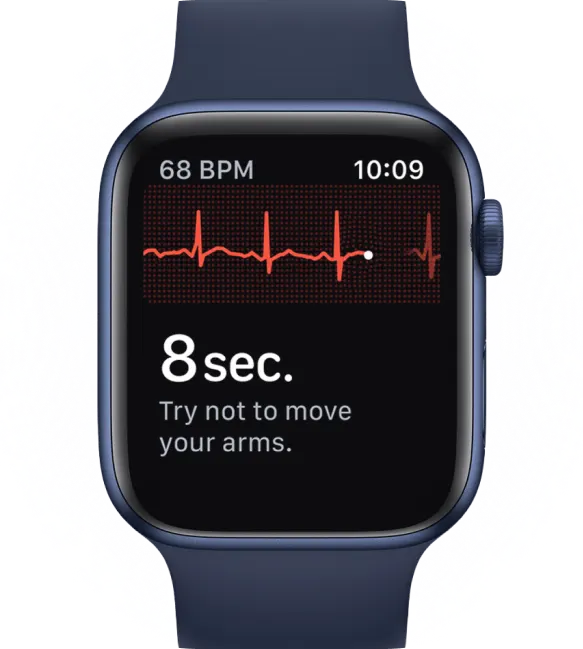
It’s pretty incredible that we can now check our heart's rhythm right from our wrists. If you have atrial fibrillation (AFib) and take a factor Xa inhibitor, it's natural to wonder what your smartwatch ECG is supposed to show you. This technology is a fantastic ally, but it's important to use it for clarity, not anxiety.
The first and most important thing to understand is that your medication is designed to prevent blood clots, it doesn't actually alter your heart's rhythm. A factor Xa inhibitor won't "fix" the irregular pattern of AFib on your ECG. Its job is to protect you from the single biggest risk associated with AFib: a stroke.
So, if your watch's ECG app still shows an irregular rhythm, it doesn't mean your medicine has failed. It simply confirms that the AFib is still present, which is precisely why your doctor prescribed a blood thinner in the first place.
What to Look For on Your ECG
Monitoring your heart rhythm with a wearable device is still incredibly valuable. It helps you and your doctor see the bigger picture of your AFib over time. It’s all about tracking patterns, not getting hung up on a single reading.
When you have AFib, your ECG will usually show what's called an "irregularly irregular" rhythm. This just means the time between each heartbeat is completely random. On your watch, this will likely be flagged as "Atrial Fibrillation" or maybe something like "Inconclusive." This is the expected finding.
Just as important, though, is your heart rate. Your doctor will want to know if your heart rate is well-controlled (typically under 100 beats per minute while you're resting) or if it frequently speeds up. A consistently high heart rate can cause symptoms and might mean your other medications need a little tweak.
Using a wearable ECG isn't about diagnosing a problem every single day. It's about gathering clues that lead to more productive, informed conversations with your doctor. Think of it as your personal health journal, not a constant alarm bell.
Combining ECG Data with Your Symptoms
The data from your device is just one piece of the puzzle. How you feel is the other crucial half. Your doctor needs to know if the AFib is causing symptoms that get in the way of your life. Pairing these feelings with your ECG readings paints a much more complete picture.
Make a note whenever you experience symptoms like:
- Palpitations: That feeling of a fluttering, racing, or pounding heart.
- Shortness of Breath: Feeling winded from light activity or even when resting.
- Dizziness or Lightheadedness: A sense of being faint or unsteady on your feet.
- Fatigue: Feeling unusually worn out or drained of energy.
Noticing that you feel more palpitations on days when your watch shows a higher heart rate? That's a golden nugget of information for your doctor. Or maybe you feel dizzy every time your device records a particularly chaotic-looking rhythm. This is the practical, real-world information that helps your doctor fine-tune your treatment.
By pairing what your wearable ECG shows with how you actually feel, you turn a piece of technology into a powerful partner on your health journey. This proactive approach helps you and your doctor work together as a team, ensuring your factor Xa inhibitor is part of a complete strategy for your well-being.
Taking Action with Your Health Data
Think of your wearable device as a communication tool, not just a diagnostic one. The goal is to gather valuable insights that help you and your doctor make the best decisions together. You're in the driver's seat, and this data is your roadmap.
When you share your information, try to focus on the bigger picture. A single ECG showing AFib is important, of course. But a trend showing that your episodes of irregularity are getting more frequent or lasting longer is even more powerful. This is the kind of detail that helps your doctor understand your condition's stability over time.
When to Contact Your Doctor
Knowing when to reach out can be tricky, but you don’t have to wait for an emergency. It's always a good idea to contact your healthcare team if you notice clear changes in your patterns.
Schedule a conversation if you see:
- A consistent increase in how often your device detects an irregular rhythm.
- Your resting heart rate is frequently higher than what's normal for you, especially if it’s over 100 beats per minute.
- Your symptoms, like palpitations or shortness of breath, are happening more often or feel more intense.
Your data tells a story about your health over time. Sharing these trends with your doctor allows them to read that story and see patterns that a single office visit might miss, making your conversation incredibly productive.
How to Share Your Data Effectively
When you do talk to your doctor, being prepared makes all the difference. Instead of just saying you feel "off," you can provide specific examples. For instance, you could say, "Last Tuesday, my watch recorded AFib for three hours, and I felt very tired and lightheaded during that time."
Many individuals find it beneficial to consolidate their health information in one location to facilitate smoother conversations. An app like **Qaly** enables you to review your ECGs and track various metrics such as rhythms, PVCs/PACs, and PQRST while using your **factor Xa inhibitor**. This ensures that all your essential information is easily accessible and ready to share.
As you get more comfortable taking action with your health data, you might also look into practical tips for improving Heart Rate Variability (HRV), a key metric reflecting your overall cardiovascular and autonomic nervous system health. By preparing your information and understanding your body's signals, you become a central, empowered partner in your own care, making sure you and your doctor are always working as a team.
Frequently Asked Questions About Factor Xa Inhibitors
Starting a new medication always brings up questions, and that’s completely normal. You deserve to feel confident and informed about your treatment, so let's walk through some of the most common questions we hear.
Do I Need Regular Blood Tests on a Factor Xa Inhibitor?
Generally, no. This is actually one of the biggest advantages of modern Factor Xa inhibitors compared to older blood thinners like warfarin. Their effect on the body is much more predictable, so you don’t need routine blood tests to check if the dose is right.
That said, your doctor will still want to keep an eye on your overall health. They’ll likely order blood work from time to time to make sure your kidneys and liver are working well, since these organs play a key role in processing the medication.
What Should I Do If I Miss a Dose?
This is a great, and very common, question. The answer usually depends on which specific Factor Xa inhibitor you're taking and how much time has passed since your missed dose. Your first port of call should be the patient information leaflet that came with your prescription, it often has specific instructions.
If you’re still unsure, the safest move is to call your doctor or pharmacist. They can give you clear, personalized advice.
Whatever you do, do not take two doses at once to "catch up" unless your doctor or pharmacist specifically tells you to. Doubling up can seriously increase your risk of bleeding, so it’s always best to get professional guidance first.
Can I Stop Taking My Medication If I Feel Fine?
No, and this is critically important. You should never stop taking your Factor Xa inhibitor without talking to your doctor first. Even if you feel perfectly healthy, the condition that put you at risk for a blood clot, like atrial fibrillation, is still there.
Stopping your medication abruptly can dramatically increase your risk of having a stroke. Think of it as a protective shield. Even on the days you feel great, that shield is actively working to keep you safe. Always have a conversation with your healthcare provider before making any changes to your treatment.

Get your wearable ECGs reviewed by certified experts and track your heart's rhythm and symptoms over time



.png)
.png)