


Key Takeaways

User Profile
Hello Heart Hero.
You feel a flutter, a thump, or that strange skipping sensation in your chest. Maybe it happens while you're walking the dog, trying to sleep, or sitting still at your desk. By the time you think, “I should get this checked,” it's gone. Then comes the standard next step: a Holter monitor with sticky electrodes, wires, a short wear window, and the uneasy feeling that your heart might behave perfectly for those one or two days.
That frustration is real. A lot of people don't mind doing the test. They mind doing the test and still not getting an answer. If your symptoms are unpredictable, a short monitor can feel less like a solution and more like a gamble.
You're not wrong to wonder if there's a better fit. There often is. Heart rhythm monitoring has expanded far beyond the classic Holter, and the primary question usually isn't “What device exists?” It's “Which device matches how often my symptoms occur?”
Your Heart Health Journey Beyond the Holter
A traditional Holter still has a role. It's familiar, widely used, and sometimes exactly the right tool. But it's also built around a short snapshot. If your symptoms don't happen during that snapshot, you can walk away feeling dismissed when the underlying issue is that the monitor didn't stay on long enough.
That mismatch is where many people get stuck. They're told the test was “normal,” but what they hear is, “Nothing's wrong,” even though they know what they felt. In rhythm monitoring, those are not the same thing.
| Monitor Option | Typical Monitoring Window | Best Fit in Plain Language |
|---|---|---|
| Holter monitor | 1 to 2 days | Symptoms that happen daily or almost daily |
| Patch monitor | Up to two weeks | Symptoms that happen every few days or weekly |
| Event monitor or MCOT | Up to 30 days | Unpredictable symptoms that need longer tracking or faster review |
| Implantable loop recorder | Months to years, sometimes up to 3 years | Rare but important episodes like unexplained fainting or silent rhythm problems |
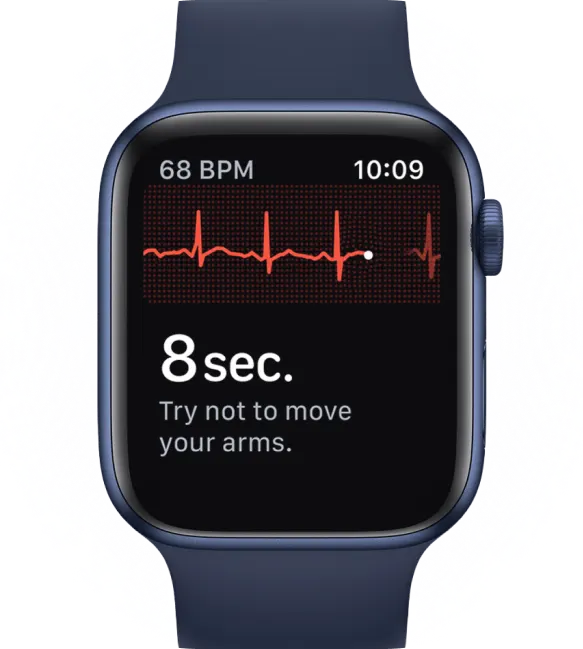
| Consumer wearable ECG | On-demand when symptoms happen | People who want to record an episode right when they feel it |
Holter monitor
Patch monitor
Event monitor or MCOT
Implantable loop recorder
Consumer wearable ECG
Imagine trying to photograph a shooting star. If you open the camera for a very short time, you might miss it. If you keep watching longer, or use a tool that can react quickly when something happens, your odds improve.
Practical rule: The right holter monitor alternative is usually the one that matches your symptom pattern, not the one with the fanciest name.
Why a Holter Monitor Might Not Be Enough
The biggest limitation is simple. Time. A Holter is often worn for only a short period, and many rhythm issues don't show up on schedule.
Clinical research has shown that traditional 24 to 48-hour Holter monitors have a diagnostic yield of 15% to 28%, while longer-duration external loop recorders can reach up to 63%; in one randomized trial of 266 patients, mobile cardiac outpatient telemetry produced a diagnosis in 41% of patients versus 15% with an external loop recorder according to this peer-reviewed review of ambulatory arrhythmia monitoring. In plain English, that means longer and smarter monitoring often catches what a short Holter misses.

The short window problem
If your palpitations happen every day, a Holter can be very useful. But if they happen once a week, every couple of weeks, or only when you're stressed, dehydrated, or trying to fall asleep, you may spend the entire wear period waiting for nothing to happen.
That doesn't mean the monitor failed technically. It means the sampling window was too narrow for the question you needed answered.
Comfort changes behavior
People also underestimate how much the test itself can affect normal life. Wires can be annoying. Adhesive can irritate the skin. Sleeping can feel awkward. Some people become extra cautious while wearing it, which means they avoid exercise, skip routines, or change habits that might have triggered the symptom.
That matters because your clinician wants to capture your heart rhythm during real life, not “careful monitor week.”
Results often come later
Another issue is timing. Holter data is commonly reviewed after the wear period ends. So if you feel something unsettling on Monday, you may not get clarity until much later. For someone who's anxious about whether that episode was harmless or dangerous, that lag can be hard.
If your main fear is “What was that feeling I just had?”, delayed review can be almost as frustrating as no monitoring at all.
A good holter monitor alternative doesn't just collect more data. It should improve the odds of catching the event you care about and, in some cases, reduce the wait between symptom and interpretation.
Your Guide to Modern Heart Monitor Alternatives
If your symptoms are unsettling and unpredictable, the device matters less than the question you are trying to answer. A monitor for daily flutters is different from a monitor for a fainting spell that happens twice a year. That is why modern alternatives to a Holter are better understood as tools for different timing problems, not just newer gadgets.
Adhesive patch monitors
Patch monitors are often the first alternative doctors consider because they keep recording continuously but are simpler to wear than a traditional Holter. No dangling wires. Less daily fuss. For someone who wants to go to work, sleep normally, and avoid constantly thinking about the device, that difference can matter.
The Mayo Clinic explains that a Holter is commonly worn for a short period, while patch recorders can stay on longer and implantable loop recorders can monitor for years in selected cases, as described in the Mayo Clinic overview of Holter monitors and related heart rhythm tests.
Patch monitors usually fit people who:
- have symptoms every few days
- want continuous recording without wires
- need a better chance of catching a pattern during ordinary life
Event recorders and mobile cardiac telemetry
Event recorders are built for episodes rather than nonstop recording. Some are patient-triggered, which means you press a button when the flutter, racing, or pounding starts. That can work well if your symptoms are brief, clear, and you stay alert during them.
Mobile cardiac telemetry, or MCOT, adds active surveillance. Instead of only saving what you trigger, it can also flag certain abnormal rhythms and send information for review more quickly. You can read more about the difference between spot checks and longer-running rhythm capture in this overview of continuous monitoring.
This option tends to make more sense when speed matters. If the concern is not just “Did I feel something?” but “Was that rhythm concerning enough that someone should know soon?”, telemetry may be a better fit than a basic event recorder.
Consumer wearables and app-based ECG capture
Smartwatches and handheld ECG devices serve a different role. They are convenient symptom journals with rhythm data attached. If you feel a skipped beat while walking the dog or lying in bed, you may be able to record that moment before it fades from memory.
That convenience is helpful, but it has limits. A consumer device usually does best when your symptoms are noticeable and you can activate the recording during the episode. It is less useful for silent arrhythmias, episodes during sleep, or events that come and go before you can respond.
Implantable loop recorders
An implantable loop recorder is for the opposite end of the timing problem. It is used when symptoms are rare, but the reason for monitoring is serious. Unexplained fainting is a common example. Suspected intermittent atrial fibrillation can be another.
This device sits under the skin and watches for a long time. The tradeoff is obvious. You gain a much wider observation window, but you are also committing to a minor procedure. Doctors usually reserve this option for cases where short-term external monitoring is unlikely to answer the question.
A practical way to compare them
Here is the simplest way to sort the choices:
- Patch monitor: better for symptoms that happen often enough to catch over days or a couple of weeks
- Event recorder: better for distinct episodes you can trigger when they happen
- MCOT: better when faster review of possible rhythm problems is part of the goal
- Consumer wearable ECG: better for capturing a symptom in the moment and showing your clinician what happened
- Implantable loop recorder: better for rare but concerning events that may not show up on short-term monitoring
The right monitor is the one that matches your pattern. If your symptoms are new, worsening, tied to fainting, chest pain, or shortness of breath, talk with a clinician promptly instead of trying to choose a device on your own.
Matching the Right Monitor to Your Symptoms
Understanding this point typically brings the greatest relief. Once you stop asking “Which monitor is best?” and start asking “How often does this happen to me?”, the decision gets much clearer.

Clinical guidance supports this symptom-frequency approach. A review in the medical literature notes that Holter monitoring is most effective for daily or near-daily symptoms, while for weekly or less frequent symptoms, external loop recorders and patch monitors are superior because they extend the recording window and improve diagnostic yield and cost-effectiveness, as explained in this clinical review on cardiac monitoring for palpitations and syncope.
If symptoms happen almost every day
A standard Holter may still be enough. If you get skipped beats each afternoon, racing episodes during exercise, or nightly pounding sensations, a short monitor has a decent chance of catching the pattern.
This is the group where “old school” isn't necessarily bad. It may be the simplest route.
If symptoms happen weekly or a few times a month
This is the classic zone where people outgrow the Holter. A patch monitor or event recorder usually makes more sense because the extra time gives your rhythm a better chance to reveal itself.
If that sounds like you, it may help to read about how a heart patch monitor works in real life. Many patients find the concept less intimidating once they understand what the patch records and how daily activity fits in.
If symptoms are rare but more concerning
Rare doesn't always mean harmless. If your episodes involve fainting, nearly fainting, major dizziness, or a strong sense that “something is very wrong,” your doctor may think beyond external wearables and consider much longer monitoring.
That's especially true when episodes are too sparse to capture with a short-term device.
A monitor should match not only how often symptoms happen, but also how much the answer matters if one event is missed.
If symptoms are sporadic and you want to capture them yourself
Consumer wearables can be useful when the main problem is timing. You feel something. You want to record it immediately. You don't want to wait for an appointment, then hope it happens again under observation.
This can also help people whose palpitations may be linked to stress, sleep disruption, dehydration, or hormonal shifts. For readers exploring that angle, Lila's help for palpitations offers practical context about symptom patterns that can overlap with rhythm concerns.
A quick self-check before you choose
Ask yourself these questions:
- How often does it happen
Daily, weekly, monthly, or less often? - Can you feel it clearly when it starts
If yes, an on-demand tool may help. If no, passive monitoring may be better. - Does it come with fainting, chest pain, or severe shortness of breath
If yes, don't rely on consumer tracking alone. Get medical guidance promptly. - Do you need speed or just documentation
Some people want immediate interpretation. Others mainly need a record to show their doctor.
That's the key framework for choosing a holter monitor alternative. Frequency first. Severity second. Convenience third.


The Power of On-Demand ECGs with Expert Human Review
You feel a hard flutter in your chest while folding laundry. By the time you sit down, check your pulse, and decide whether to worry, it is gone. That is the frustrating part of palpitations. The symptom is real, but the evidence often disappears before a clinic test can catch it.
One of the biggest changes in heart monitoring is that many people can now record a single-lead ECG at home with a watch or handheld device right when symptoms happen. For the right person, that can fill an important gap. If your episodes are brief, noticeable, and unpredictable, an on-demand recording may be more useful than waiting days for a formal test and hoping your heart misbehaves on schedule.
Recording the strip is only half the job.
A tracing without interpretation can create a new kind of stress. People often stare at the spikes and dips and wonder whether they captured a harmless extra beat, motion artifact from shaky hands, or a rhythm that needs prompt attention. A home ECG works like taking a photo of a moving car. You still need someone who knows what details matter before you can say what you saw.
Why human review matters
Expert review becomes useful in a very practical way. A trained cardiographic technician or clinician can look at the timing, shape, and pattern of the tracing and separate noise from something worth following up on. That matters even more with consumer devices, because they are convenient but not perfect. Skin contact, body position, and movement can all affect the recording.
Fast interpretation also helps with the emotional side of symptoms. Many people do not just want a file saved on their phone. They want an answer they can act on. If the tracing looks reassuring, that can lower a lot of fear. If it suggests an arrhythmia, you have something concrete to share with your doctor instead of trying to describe a strange feeling from memory.
One option in this space is Qaly, which connects ECG recordings from consumer devices and at-home monitors with certified cardiographic technicians for human review. If you want a clear example of why automation can miss details, this article on what an AI ECG reader missed shows the kinds of mistakes that can happen when no trained human checks the strip.
Who benefits most from this approach
On-demand ECG review tends to fit people whose symptoms are noticeable enough to trigger a recording in the moment. It can be a good match if you:
- Feel palpitations start suddenly and can grab a recording right away
- Already use a smartwatch or handheld ECG device
- Want help sorting out a saved tracing before your next appointment
- Need a rhythm strip to show your clinician
It is less helpful if your symptoms are silent, happen during sleep, or come with no warning. In those situations, passive monitoring may still be the better tool.
It is also not a substitute for emergency care. Severe chest pain, fainting, major shortness of breath, weakness on one side, or trouble speaking need urgent medical attention, not app-based review.
Here's a short overview of the idea in action:
Used well, on-demand ECGs with human review can shorten the distance between “something felt off” and “here is the actual rhythm during that moment.” For people with weekly or occasional symptoms, that can be the difference between guessing and having something useful to discuss with a doctor.
How to Discuss Heart Monitor Options With Your Doctor
A good appointment gets much easier when you walk in with specifics. Don't just say, “I get palpitations.” Say how often they happen, how long they last, what they feel like, and whether they come with dizziness, fainting, chest discomfort, or breathlessness.
That level of detail helps your clinician match the tool to the question. As one review-focused discussion notes, choosing a monitor isn't just about wear time. It's about matching the device to the clinical problem, such as using long-term monitoring after an unexplained stroke when a short-term test would be inadequate, as discussed in this article on modern alternatives to Holter monitoring.
Questions worth bringing to the visit
- Could a short Holter miss my pattern if my symptoms don't happen daily?
- Would a patch, event monitor, or telemetry option fit better based on how often this happens?
- If I capture ECGs on my watch or handheld device, how should I share them with you?
- What would make you escalate to longer monitoring like an implantable recorder?
- What symptoms mean I should seek urgent care instead of waiting for monitor results?
Bring evidence, not just worry
If you've logged episodes in your phone, recorded pulse changes, or saved wearable ECGs, bring them. Organized information often leads to a more useful conversation than vague memory.
For a little help getting ready, this list of questions to ask a cardiologist can help you structure the appointment without feeling overwhelmed.
The most productive doctor visits usually start with a clear symptom timeline, not a perfect medical vocabulary.
Frequently Asked Questions About Heart Monitoring
Do I need a prescription for a Holter monitor alternative
For medical devices like patch monitors, event recorders, mobile telemetry, and implantable loop recorders, you'll usually need a clinician involved. Consumer wearables are different. You can often buy and use them on your own, but that doesn't mean they replace medical evaluation.
Are Holter alternatives covered by insurance
Coverage depends on the device, the reason it's being ordered, and your plan. Clinic-prescribed monitors are often handled differently from direct-to-consumer wearables. The practical move is to ask your doctor's office and your insurer what they consider medically necessary and what your out-of-pocket responsibility may be.
Can these devices predict a heart attack
No. Rhythm monitors track the heart's electrical activity. They can help identify rhythm problems, but they do not predict a heart attack in the way many people imagine. A heart attack is usually about blood flow to the heart muscle, which is a different issue.
Is my smartwatch ECG as good as a medical monitor
It depends on the question. A watch ECG is usually a single-lead recording. Medical monitors may collect information differently, for longer periods, or with continuous passive capture. A consumer ECG can still be very helpful, especially if it records the exact moment you feel symptoms. The key is knowing its limits and getting proper interpretation.
When should I stop researching and seek care now
Get urgent medical help if palpitations come with fainting, severe chest pain, severe shortness of breath, stroke-like symptoms, or if you feel unstable. Monitoring tools are for evaluation. They are not a substitute for emergency care.

Have an ECG you’re unsure about? Qaly can help you understand what your recording may be showing.



.png)
.png)