


Key Takeaways

User Profile
Hello Heart Hero. It can be unsettling to feel a flutter or a skipped beat and wonder, “Is this stress?” You're not alone in feeling this way, or in seeking answers outside of a confusing healthcare system. Stress isn't just a feeling. It's a physical response that can affect your heart's rhythm in ways you may even notice on a wearable ECG.
If you use an Apple Watch, Kardia, Fitbit, Samsung watch, or another home ECG device, you've probably already seen this connection. A stressful commute, a hard workout, a rough night of sleep, or a tense conversation can line up with a racing heart, extra beats, or a rhythm strip that looks different from your usual pattern. That doesn't always mean danger, but it does mean your body is talking.
One helpful place to start is understanding the counsellor's guide to nervous breakdowns and how overload can show up physically.
Stress is often grouped into the 4 types of stress, but in daily life those categories can feel abstract. What matters more is learning how each kind of stress can show up in your body, what it might look like on your ECG data, and when it's time to get more support. The good news is that patterns usually make more sense once you know what to look for.
1. Physical Stress
Physical stress is the strain your body feels when it's working hard, running low, or trying to recover. That can come from intense exercise, poor sleep, illness, dehydration, or pushing through fatigue for too long. If emotional stress starts in the mind, physical stress starts in the body.
This type is often the easiest to spot because the trigger is concrete. You go harder than usual on a run. You sleep badly for two nights. You're getting over a virus. Then your heart feels jumpier than normal.
According to TELUS Health's explanation of the 4 types of stress, physical stress often shows up as headaches, increased heart rate, or frequent sickness. For someone already watching for palpitations, that increased heart rate can feel alarming even when it's your body reacting to strain rather than signaling something new.
What it can look like on your wearable ECG
A good analogy is a car engine climbing a steep hill. The engine isn't necessarily damaged, but it has to work harder, run hotter, and respond faster. Your heart does something similar during physical stress.
You might notice:
- During exercise: A fast heart rate that feels stronger or more noticeable than usual
- After poor sleep: More awareness of pounding, fluttering, or skipped beats
- During illness recovery: A rhythm that feels less steady when you stand up, walk, or climb stairs
- After overtraining: More frequent palpitations when your body hasn't fully recovered
If you use a wearable ECG, timing matters. A reading taken before exercise may look calm, while a strip taken right after a hill sprint or after a night of little sleep may look very different. That comparison helps you separate random fear from a repeatable pattern.
Practical rule: Don't judge one reading in isolation. Compare what your rhythm looks like before activity, during symptoms, and after recovery.
How to track physical stress without spiraling
The goal isn't to obsess over every beat. It's to gather useful context. Many people feel less anxious once they can say, “This tends to happen after sleep loss,” or “This only shows up when I push too hard.”
A simple approach works well:
- Build a baseline: Record how your heart feels and, if needed, how your ECG looks on ordinary days
- Track effort accurately: Note whether symptoms happen during gentle walking, hard intervals, lifting, or recovery
- Respect recovery: Sleep, hydration, and rest days are part of heart care, not laziness
- Share patterns: Bring rhythm strips linked to activity to your clinician so the conversation starts with evidence
If your symptoms tend to show up with exertion, this guide on exercise-related blood pressure and heart strain can help you think more clearly about what your device data might be showing.
One reassuring point matters here. Physical stress is common, and a stressed body often produces symptoms that feel dramatic but settle as recovery happens. Still, if exertion brings chest pain, fainting, severe dizziness, or shortness of breath, don't brush it off as “just stress.” That's the moment to seek medical care promptly.
2. Metabolic Stress
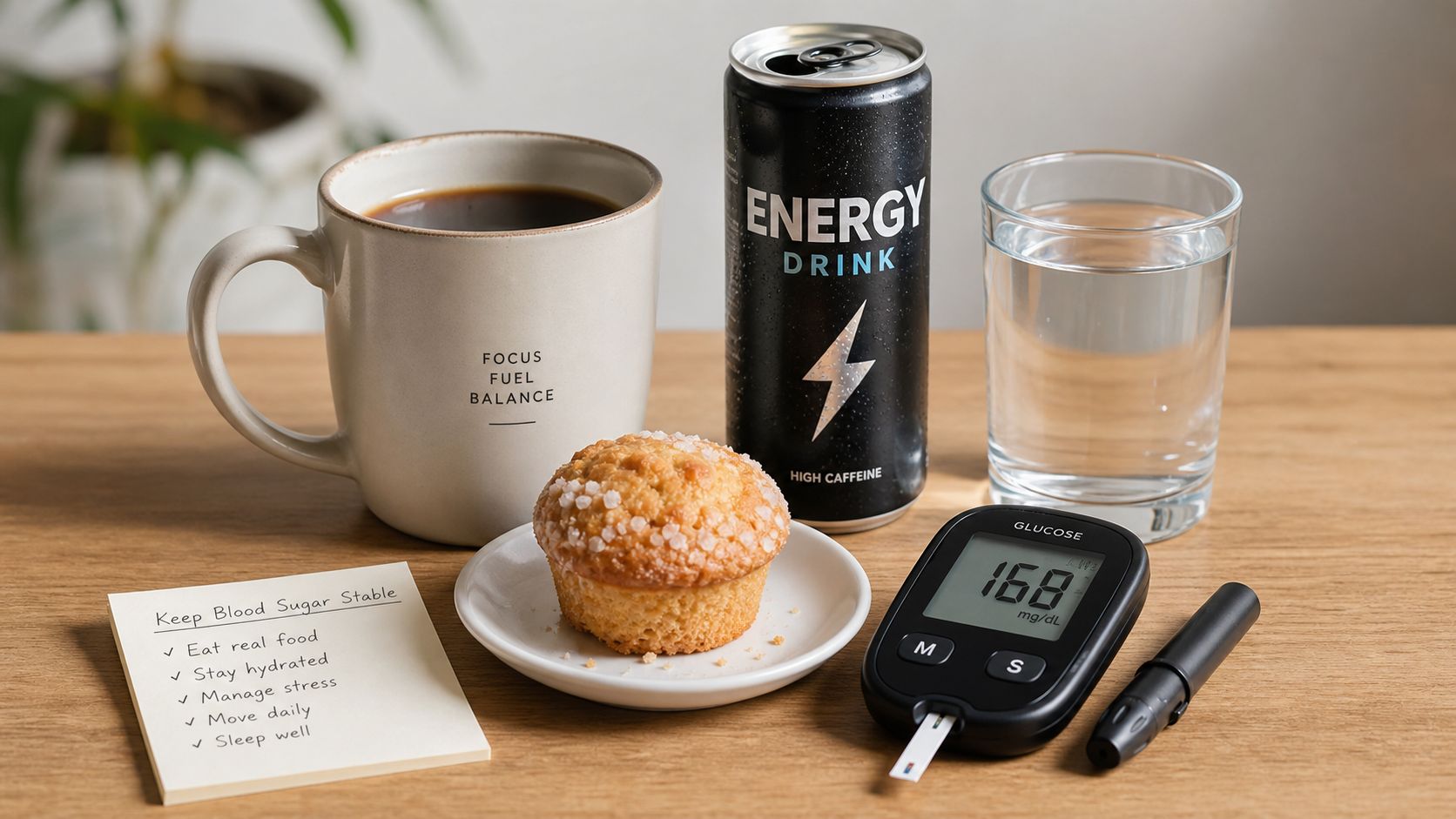
Metabolic stress happens when your body's internal chemistry is under pressure. This can come from skipped meals, big swings in blood sugar, too much caffeine, poor hydration, hormonal shifts, or not getting the nutrients your body needs to run smoothly. It's less visible than physical stress, but your heart often notices it quickly.
Some people discover this pattern after a very ordinary morning. They rush out the door, skip breakfast, drink strong coffee, and then feel a fast or uneven heartbeat before noon. The trigger doesn't seem emotional, and they may not have exercised at all. That's why metabolic stress is easy to miss.
Here's a useful visual for this section:

Why your rhythm can react
Your heart relies on steady fuel and stable electrical conditions. Imagine a musician trying to keep tempo while the stage lights flicker and the floor shifts. If your blood sugar drops, your caffeine intake spikes, or your electrolytes get thrown off, your rhythm may feel less settled.
Real-world examples include a fluttery feeling after multiple coffees, a racing heart after an energy drink, or extra awareness of skipped beats when you haven't eaten enough. Hormonal changes can also make the heart feel more reactive for some people, especially if they already monitor palpitations closely.
That doesn't automatically mean something dangerous is happening. It does mean your body may be reacting to chemistry, not just emotion.
What to watch for in your own data
A symptom log provides powerful insights into your body's responses. If your ECG strips look “off” on mornings with caffeine and no food, but settle on days with balanced meals and hydration, that's information you can use.
Try tracking:
- Food timing: Whether symptoms happen when meals are delayed
- Caffeine dose: Coffee, pre-workout drinks, tea, soda, or energy drinks
- Hydration: Whether palpitations appear on hot days or after long stretches without water
- Hormonal context: Cycle changes, medication changes, or other body shifts
If you suspect low minerals or dehydration may be part of the picture, this article on electrolyte imbalance and your ECG is a strong next step.
Sometimes the most useful heart clue isn't in the ECG strip alone. It's in what happened 30 minutes before you recorded it.
To make this less overwhelming, keep the experiment small. Change one thing at a time. Eat breakfast for a few days. Cut back on caffeine gradually instead of all at once. Drink water consistently. Then compare how you feel.
Below is another helpful image that captures the food and blood sugar side of this kind of stress:
Acute stress is considered the most common form of stress, and one overview notes that about 70% of adults report acute stress symptoms at least once per week. Daily pressures can blend with metabolic triggers, which is one reason a skipped meal and a stressful morning can feel much bigger together than either would alone.
3. Environmental Stress
Environmental stress comes from what's happening around you. Heat, cold, poor air quality, altitude, loud noise, crowded spaces, and sudden weather changes all ask your body to adapt. If your body has to work harder to stay balanced, your heart may reflect that effort.
This category gets overlooked because people often think stress only means feelings. But your nervous system doesn't care whether the demand came from an argument or from walking through extreme heat. It still has to respond.
The hidden triggers outside your body
A simple example is a hot day. Your body tries to cool itself, shifts blood flow, and may leave you feeling more aware of your heartbeat. Cold weather can do the opposite kind of strain. High altitude can make your heart work differently because oxygen availability changes. Poor air quality can leave you feeling tight, off, or more reactive.
Many wearable users only notice this after seeing repeated patterns. Their ECG seems noisier or their symptoms show up during travel, during a heat wave, or when the air feels smoky or heavy. Once they map those conditions, the pattern becomes less mysterious.
This can also overlap with medication effects. For example, decongestants or stimulants may feel much stronger when you're already stressed by heat, illness, or altitude. If that sounds familiar, it's worth reading about pseudoephedrine side effects and rhythm changes.
How to make environmental clues visible
You don't need a complex spreadsheet. A few notes can go a long way. Write down the day's temperature, whether you were indoors or outdoors, whether you were traveling, and how the air felt. Pair that with the time of symptoms and your wearable reading.
A practical pattern log might include:
- Weather conditions: Hot, cold, stormy, humid, or rapidly changing
- Location changes: Flights, mountains, unfamiliar climates
- Air quality: Smoke, pollution, stale indoor air, or allergens
- Body response: Racing heart, skipped beats, chest awareness, shortness of breath
Field note: If your palpitations tend to appear in one setting but not another, the setting may be part of the trigger.
This category matters even more for people who already feel anxious about arrhythmias. One reason is that broad articles about the 4 types of stress often stay general and don't explain the heart-rhythm side clearly enough. A review discussing this gap notes that many guides miss the connection between chronic stress and rhythm abnormalities that wearable ECG users try to monitor, especially when people are trying to tell the difference between “stress palpitations” and something more significant on their device data in this discussion of stress categories and wearable users.
That gap can leave people feeling dismissed. Your lived pattern still matters, especially if it repeats.


4. Emotional and Psychological Stress
This is the type commonly recognized first. Emotional and psychological stress grows out of worry, conflict, uncertainty, grief, pressure, overthinking, and fear. It lives in the mind, but it absolutely shows up in the body.
If you've ever had your heart race during an argument, after a scary symptom search online, or while waiting for a medical result, you already know this. The body doesn't separate “thought stress” from “real stress” the way people often do. A threat your brain believes is important can trigger a very real fight-or-flight response.
Chronic stress is especially important here because it lasts. One overview describes it as long-term stress that can continue for weeks, months, or years, and notes that in major markets it's linked to a 30 to 40% increase in the incidence of cardiovascular diseases. That doesn't mean every anxious moment harms your heart. It does mean long-running stress deserves respect.
The feedback loop many wearable users know too well
This pattern is frustratingly common. You notice one flutter. Then you check your pulse. Then you start scanning your body. Then your heart feels even more active because your nervous system is now fully engaged.
That loop can become self-reinforcing:
- A sensation starts it: Flutter, thump, skip, or racing heartbeat
- Fear escalates it: “What if this is dangerous?”
- Your body responds: Adrenaline rises, heart rate changes, symptoms intensify
- You monitor more: More checking, more fear, more body awareness
For people using wearables, this can be both helpful and tricky. The device can provide reassurance, but constant checking without context can fuel anxiety too.
If this sounds familiar, this guide on stress-induced arrhythmia may help you separate emotional triggers from rhythm concerns more calmly.
How to use data without feeding fear
Use your ECG tool as a flashlight, not as a courtroom. The goal is clarity, not self-interrogation. A quick recording during symptoms can help. Repeating ten recordings in ten minutes usually doesn't.
Grounding helps because it interrupts the stress loop before it gathers speed. Try unclenching your jaw, lengthening your exhale, putting both feet on the floor, and naming what's happening around you. Then decide if you need one recording, a note in your journal, or medical advice.
“I'm feeling a stress response” is often a more useful first thought than “Something terrible is happening.”
Relationship strain, work pressure, grief, and health anxiety can all trigger this type of stress. For trauma-related stress support, some readers may find Penticton PTSD therapy relevant.
One more nuance matters. Some people assume positive excitement is always harmless. But a discussion of stress categories points out that the line between energizing stress and too much stress can be blurry, including for wearable users who notice rhythm changes during high-excitement events they first labeled as positive stress in this breakdown of stress types and high-excitement episodes. If your symptoms spike during celebration, competition, or adrenaline-filled moments, don't ignore the pattern just because the event was “fun.”
Comparison of 4 Stress Types
| Stress Type | Implementation Complexity (🔄) | Resource Requirements (⚡) | Expected Outcomes (⭐📊) | Ideal Use Cases (📊) | Key Advantages (💡) |
|---|---|---|---|---|---|
| Physical Stress | 🔄 Low–Moderate, rest/pace adjustments and monitoring | ⚡ Low, wearable ECG + recovery time | ⭐⭐⭐ 📊 Clear, measurable improvements with rest/hydration | 📊 Exercise recovery, overtraining, post-illness monitoring | 💡 Direct cause-effect; actionable from activity data |
| Metabolic Stress | 🔄 Moderate, dietary/habit changes and monitoring | ⚡ Moderate, food/drink tracking, possible nutritionist | ⭐⭐⭐ 📊 Rapid symptom reduction when triggers corrected | 📊 Caffeine, skipped meals, electrolyte or blood-sugar issues | 💡 Highly controllable; correlations show specific triggers |
| Environmental Stress | 🔄 Moderate–High, may need environmental changes or avoidance | ⚡ Moderate–High, air/temperature control, travel adjustments | ⭐⭐ 📊 Detectable but may require repeated sampling to confirm | 📊 High altitude, extreme temperatures, poor air quality days | 💡 Explains previously random symptoms; often mitigatable |
| Emotional & Psychological Stress | 🔄 High, therapy, coping skills, behavioral work | ⚡ Moderate–High, mental health support and practice time | ⭐⭐⭐ 📊 Strong impact when managed; breaks symptom feedback loops | 📊 Health anxiety, chronic stress, panic-related palpitations | 💡 Responsive to psychological interventions; reduces amplification of other stresses |
Taking Control of Your Heart Health
Understanding the 4 types of stress can change the way you relate to your symptoms. Instead of feeling trapped by every flutter or skipped beat, you can start asking better questions. Was I physically worn down? Did I skip meals or load up on caffeine? Was the environment pushing my body harder? Was I stuck in a stress loop mentally?
That shift matters. You're no longer just waiting for someone else to explain your body to you. You're collecting clues. You're learning your patterns. You're building a timeline that connects real life to real rhythm data from your wearable device.
This is especially valuable if you've felt brushed off before. Many people are told “it's probably stress” without being shown what that means in the body or how to track it. Stress can affect heart rhythm. Acute stress can trigger immediate cardiovascular responses, and one overview notes that acute stress events can increase heart attack risk by up to 1.5 times within two hours of the event. That doesn't mean every stress palpitation is an emergency. It means stress is physical, measurable, and worthy of careful attention.
Use your device wisely. Record symptoms when they happen. Keep short notes about sleep, exercise, food, environment, and emotional triggers. Look for repetition, not perfection. A pattern seen three times is often more useful than one scary reading taken in panic.
Still, stress shouldn't become a catch-all explanation for everything. If you have chest pain, shortness of breath, dizziness, fainting, or a symptom that feels severe or new, contact your healthcare provider right away.
For moments when you want more than a guess, Qaly can help connect your at-home ECG recordings with expert human review. That kind of support can reduce uncertainty, make your data more meaningful, and help you walk into medical appointments with a clearer picture of what your heart has been doing.

Noticing stress-related rhythm changes? Certified experts review your ECG within minutes.



.png)
.png)