


Key Takeaways

User Profile
Hello Heart Hero. When you feel a heart flutter, you can often calm it down right in the moment with simple techniques. Trying to steady your breathing or even bearing down as if you're having a bowel movement (this is called a Valsalva maneuver) can sometimes reset your heart's rhythm. These are great first-aid tricks, but getting to the bottom of why it's happening is the key to finding lasting relief.
What's Causing That Flutter in Your Chest?
That sudden, out-of-the-blue flutter in your chest can be unnerving. One moment everything is fine, and the next, your heart is doing something that feels completely wrong. It's a lonely and anxious feeling, but you're far from the only one who goes through this.
It's also easy to feel frustrated, especially when these sensations are brief and disappear before you can even get to a doctor. The good news? With today's technology, you're in a much better position to get to the bottom of it.
What Exactly Is a Heart Flutter?
That sensation you're calling a "flutter" is what doctors often refer to as a heart palpitation. It's a catch-all term for any awareness of your own heartbeat feeling unusual. It might show up as:
- A fluttering or flopping sensation, like a little bird is trapped in your chest.
- A skipped beat, where you feel a pause followed by a hard, noticeable thump.
- A racing or pounding feeling, as if your heart is beating way too fast or forcefully.
These feelings are incredibly common. Often, they’re tied to everyday things like a stressful day at work, one too many cups of coffee, or a poor night's sleep. But sometimes, they can point to a specific type of irregular heartbeat, known as an arrhythmia. If you want a deeper dive, our guide on what heart palpitations feel like breaks down these sensations in more detail.
The most important thing to know is that you're not just imagining it. What you're feeling is real, and understanding the sensation is the first step to figuring out what's going on.
Getting to Know Common Heart Rhythms
While most flutters are completely harmless, it's helpful to know about a few common arrhythmias that can cause them. This isn't to scare you. It's to give you the knowledge you need to take control.
Two of the most common culprits are:
- Premature Ventricular Contractions (PVCs): These are early, extra heartbeats that start in the heart's lower chambers (the ventricles). A PVC often feels like a "skipped beat" or a sudden, hard "thump."
- Atrial Fibrillation (AFib): This is a more disorganized, chaotic, and often fast rhythm. People with AFib frequently describe it as a quiver, flutter, or a totally irregular heartbeat that has no pattern at all.
Telling the difference between these just based on feeling is tough, if not impossible. This is where your smartwatch becomes an invaluable tool. Instead of trying to describe a fleeting sensation to your doctor weeks later, you can capture an ECG the moment it happens. Having that data provides objective proof of what your heart was doing, making for a much more productive conversation with your doctor and a faster path to clarity.
Immediate Techniques to Calm a Fluttering Heart
When your heart suddenly starts fluttering or racing, it’s natural to feel a wave of panic. That anxiety, however, can actually make the fluttering worse, creating a frustrating cycle. The good news is there are simple things you can do right in the moment to help your heart find its steady beat again.
These techniques give you back a sense of control over your body. They're tools to manage the physical sensation while you and your doctor work to figure out the root cause.
The process is straightforward: feel the sensation, record it with your smartwatch if you can, and then analyze the data. This turns a scary moment into a documented piece of health information you can act on.
Let's walk through some of the immediate maneuvers you can use.
Try Vagal Maneuvers to Reset Your Rhythm
Your body has a built-in system for slowing your heart rate, and it’s centered around the vagus nerve. When you stimulate this nerve, you can often gently "reset" your heart's electrical system and calm a flutter. These actions are called vagal maneuvers.
Here are a few you can try safely at home:
- The Valsalva Maneuver: Pinch your nose, close your mouth, and try to exhale gently, like you’re trying to pop your ears on an airplane. Hold this for about 10 to 15 seconds. This increases the pressure in your chest, which can trigger the vagus nerve to slow your heart rate.
- Coughing or Gagging: A single, firm cough or a gentle gag reflex can also stimulate the vagus nerve. It might feel a bit odd, but it’s a surprisingly effective trick for many people.
- Cold Water Immersion: Splashing your face with icy cold water, or even briefly dunking your face into a bowl of it, can trigger what's known as the "diving reflex." This is a primal response that automatically slows the heart rate to conserve oxygen.
Remember, these techniques are about gentle persuasion, not force. The goal is to send a clear signal to your body to slow down and restore balance.
Use Your Breath to Find Calm
When your heart flutters, your breathing often becomes shallow and fast, which only fuels the anxiety. By taking control of your breath, you can directly influence your heart rate and calm your entire nervous system.
One of the most effective methods is box breathing. It’s simple to remember and can be done anywhere.
- Breathe in slowly through your nose for a count of four.
- Hold your breath for a count of four.
- Breathe out slowly through your mouth for a count of four.
- Hold your breath again for a count of four.
Repeat this cycle for a few minutes. As you focus on the counting and the rhythm of your breath, you’ll likely feel your heart rate begin to settle. This technique helps break the flutter-anxiety feedback loop, giving you immediate relief and a powerful tool for managing future episodes.
Pinpointing Your Personal Palpitation Triggers
That fluttering sensation in your chest often feels like it comes out of nowhere, but more often than not, it’s a reaction to something specific in your life. Becoming a detective for your own health is one of the most powerful steps you can take. It puts you back in control, especially when you feel like you're not getting clear answers elsewhere.
When you start to understand what causes your heart flutters, you can connect the dots between your daily habits and how you feel. This isn’t about blame; it’s about gathering clues to solve your own health puzzle.
Keeping a Simple Trigger Journal
One of the best ways to start is by keeping a simple journal. You don’t need anything fancy. A small notebook or even the notes app on your phone will do the trick.
When you feel a flutter, just jot down a few key details:
- What you just ate or drank. Was it your second cup of coffee? A sugary snack? A large, heavy meal?
- How you were feeling emotionally. Were you in a stressful work meeting, feeling anxious about a deadline, or just really tired?
- Your physical state. Were you dehydrated? Had you just finished an intense workout or gotten a poor night’s sleep?
Over time, you’ll probably start to see patterns emerge. Maybe you’ll notice that flutters consistently show up on days you skip lunch or after a glass of wine in the evening. This log is your personal evidence, helping you pinpoint exactly what to adjust.
Common Lifestyle and Dietary Culprits
Many everyday factors can throw your heart’s steady rhythm off-kilter. While everyone is different, some triggers are incredibly common.
Some dietary triggers to watch for are:
- Caffeine, found in coffee, tea, soda, and even some over-the-counter medications.
- Alcohol, which can be a significant trigger for many, even in moderate amounts.
- High-sugar foods, as a sudden spike and crash in blood sugar can sometimes lead to palpitations.
- Dehydration, since not drinking enough water is a surprisingly frequent cause. You can explore more on how dehydration can cause heart palpitations in our detailed guide.
Paying attention to these triggers gives you a starting point. It's about making targeted, informed changes rather than just guessing what might help. Small adjustments, like swapping your afternoon coffee for herbal tea, can have a real impact.
This kind of proactive monitoring is crucial. The global burden of conditions like AFib is on the rise, driven partly by factors we can influence, like high blood pressure and obesity. In fact, a high BMI and elevated blood pressure are linked to 25% of AFib-related deaths worldwide, which shows just how important managing these lifestyle factors is. If you want to dive deeper into the data, you can read the full research about these global trends. By identifying your triggers, you’re taking a vital step in managing your heart health and addressing the very factors that contribute to these statistics.
How to Use Your Smartwatch to Understand Flutters

It’s one of the most frustrating parts of dealing with a fluttering heart. You feel that unnerving sensation, but by the time you get an appointment, the feeling is long gone. Trying to describe a past event to your doctor can leave you feeling dismissed or misunderstood, stuck in a frustrating cycle of concern without answers.
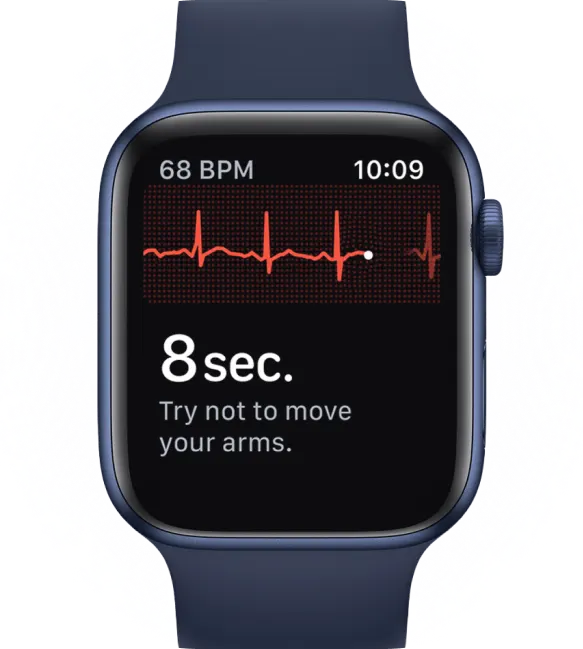
This is where that little piece of technology on your wrist becomes your most powerful tool. Your smartwatch, whether it's an Apple Watch, Samsung watch, or Fitbit, is much more than a step counter. It’s an on-demand electrocardiogram (ECG) you can use the moment you feel a flutter.
Capturing the Moment It Happens
The key is to act as soon as you feel a symptom. Don’t wait to see if it passes. Taking an ECG at the exact moment of the flutter is how you capture the evidence you and your doctor need.
When you feel that flutter, here’s what to do:
- Find a calm space and sit down. Rest your arm on a stable surface like a table or your lap. This helps minimize movement, which can mess up the reading.
- Open the ECG app on your watch (like the ECG app on Apple Watch or the ECG Monitor on Samsung).
- Follow the on-screen instructions. This usually means resting your finger on the digital crown or a specific button for about 30 seconds.
This simple action transforms a scary, unknown event into a documented piece of health data. But getting the ECG is only the first step. For more tips from a cardiologist, check out this guide to the smartwatch ECG.
From Raw Data to Real Answers
An ECG tracing can look like a bunch of squiggly lines to the untrained eye. While your watch might give you a basic interpretation like "Sinus Rhythm" or "AFib," it often can't identify more nuanced arrhythmias. What if the flutter was caused by something else, like PVCs or SVT?
This is where a service like Qaly bridges the gap. Instead of guessing what those lines mean, you can get your smartwatch ECG analyzed by a certified human expert. Within minutes, you can get a report that clearly explains what your heart was doing during that flutter.
Instead of just knowing that something happened, you can learn what happened. Qaly provides a clear interpretation from a certified cardiographic technician, identifying over 30 types of arrhythmias and giving you key measurements like your PR, QRS, and QTc intervals.
This kind of early detection and clear analysis is more important than ever. The prevalence of conditions like AFib has surged, with 52.55 million cases reported globally in 2021, a 137% increase since 1990. Proactive monitoring is crucial for catching it early.
Services like Qaly, which have reviewed over 500,000 ECGs, make this possible by turning your at-home recording into a clear, actionable insight. You can track these episodes, see patterns, and walk into your next doctor's appointment with confidence, armed with documented reports that ensure you are taken seriously.
Knowing When to Seek Immediate Medical Attention
We've covered a lot about calming a fluttering heart and figuring out your triggers. But it's just as crucial to know when a flutter is a sign that you need to get help, fast.
Think of this as essential safety knowledge, not a reason to panic. Most heart flutters are harmless, but your body has ways of telling you when something more serious might be going on. The trick is to listen for other symptoms that come along with the flutter.
Red Flags You Should Never Ignore
A heart flutter by itself is one thing. But a flutter paired with other intense symptoms is a totally different ballgame. It's a clear signal to get help right away.
If you feel that fluttering sensation along with any of the following, it’s time to call for emergency medical assistance.
- Severe Chest Pain or Discomfort: This isn’t a minor ache. We’re talking about a feeling of pressure, squeezing, or major pain in your chest. Sometimes, this pain can even travel to your arm, neck, or jaw.
- Serious Shortness of Breath: If you suddenly find you can’t catch your breath or feel like you’re not getting enough air, this is a huge warning sign.
- Dizziness, Lightheadedness, or Fainting: Feeling like you’re about to pass out, or actually fainting, is a strong indicator that your heart isn't pumping blood to your brain effectively.
- Sudden Confusion: If you or someone with you suddenly becomes disoriented or confused during a heart flutter episode, it demands immediate medical evaluation.
When these symptoms show up with a flutter, it could be a sign of a serious cardiac event, like a heart attack or a dangerous arrhythmia. The goal isn’t to wait it out. It's to get checked out immediately to either rule out or treat a serious problem.
Why These Symptoms Matter So Much
When your heart flutters, it's often an electrical issue. But when you add symptoms like severe chest pain or shortness of breath into the mix, it can mean the problem is now affecting your heart's main job: pumping blood. That can turn into a medical emergency very quickly.
Getting checked out ensures you get the right care when it counts the most. Being armed with this knowledge is a critical part of managing your heart health. To get a better handle on the different sensations and what they could mean, check out our complete overview of heart fluttering.
Ultimately, learning to tell the difference between a simple palpitation and a potential emergency gives you the confidence to take the right action, every time.


Creating a Long-Term Plan for Fewer Flutters

While in-the-moment maneuvers are crucial, the real goal is to have fewer flutters in the first place. This is where a long-term plan comes in, shifting your focus from just reacting to episodes to proactively preventing them.
This isn’t about a complete life overhaul overnight. It's about making small, consistent changes that build a strong foundation for your heart's health, giving you a greater sense of peace and control.
Building Your Heart-Healthy Foundation
Your daily habits are the bedrock of long-term heart rhythm management. By making thoughtful choices, you can create an internal environment where your heart feels calm and supported.
Here are a few key areas to focus on:
- Heart-Friendly Nutrition: Prioritize foods rich in essential minerals like magnesium and potassium, which are vital for your heart's electrical stability. Think leafy greens, nuts, bananas, and avocados.
- Mindful Movement: Regular, moderate exercise is fantastic for your cardiovascular system. Activities like walking, swimming, or yoga can strengthen your heart without over-straining it.
- Consistent Stress Management: Chronic stress is a well-known trigger for palpitations. Integrating practices like mindfulness, meditation, or even a quiet hobby can significantly lower your baseline stress levels.
If your flutters are often tied to anxiety or stress, seeking professional support through counselling can be an invaluable part of your long-term strategy.
A long-term plan isn't about perfection; it's about progress. It’s about making small, sustainable choices every day that add up to fewer flutters and greater peace of mind.
This kind of proactive management is more critical than ever. Globally, the prevalence of conditions like AFib shot up by 33% in just two decades. Even more concerning, projections warn of a 60% increase in its burden by 2050. These figures underscore the urgent need for consistent, long-term strategies. You can learn more about these important heart health findings.
This is also where your own data becomes your biggest asset. Walking into your doctor's office armed with ECGs from your Qaly reports can completely change the conversation. When you can show them exactly what your heart's been doing over time, you build a partnership based on clear evidence, paving the way for a more personalized and effective plan.
Your Questions About Heart Fluttering, Answered
That fluttering feeling in your chest can be unsettling, and it’s natural to have questions. It’s a common experience, but that doesn't make it any less worrying when it happens to you.
Let’s walk through some of the most common concerns we hear and get you the clear answers you're looking for.
Can Anxiety Cause My Heart to Flutter?
It absolutely can. In fact, anxiety and stress are two of the most frequent culprits behind heart palpitations.
When you’re feeling stressed or anxious, your body kicks into its "fight or flight" response. This floods your system with hormones like adrenaline, which can easily cause your heart to race, pound, or feel like it’s fluttering. For many people, simple calming techniques, like the deep breathing exercises we talked about earlier, can make a huge difference in stopping these episodes in their tracks.
Is a Heart Flutter Always a Sign of a Serious Problem?
Thankfully, no. The vast majority of heart flutters are benign palpitations, which are harmless. They’re often just your heart’s way of reacting to everyday things like having too much caffeine, not drinking enough water, or having a particularly stressful day.
Think of a flutter as a signal from your body. It's not always an alarm bell, but it is an invitation to pay closer attention to your lifestyle, habits, and triggers.
The time to take it more seriously is if the flutters happen often, last for long stretches, or show up with other symptoms. If you’re also feeling dizzy, short of breath, have chest pain, or feel like you might faint, that’s your cue to get it checked out right away.
How Can a Smartwatch ECG Help My Doctor?
A smartwatch ECG is an incredibly powerful tool for you and your doctor. When you feel a flutter and capture an ECG right in that moment, you're gathering concrete, clinical-quality data.
Instead of trying to describe a fleeting sensation during an appointment days later, you can show your doctor exactly what your heart's electrical activity looked like. This is invaluable. It helps them see the full picture and make an accurate diagnosis, whether it's a simple palpitation or a more complex arrhythmia like AFib that requires a management plan.

Stop guessing what your heart flutters mean. With Qaly, you can get your smartwatch ECGs analyzed by a human expert in minutes, 24/7.



.png)
.png)