





Key Takeaways

User Profile
Hello Heart Hero. Starting a new medication like dabigatran can feel like a big step, especially when you start reading about potential side effects. It’s completely normal to have questions and feel a bit anxious. You've done something important for your health, and getting informed is the best way to feel confident and in control.
Navigating Your Journey with Dabigatran
This guide is here to walk you through everything you need to know in simple, clear terms. We’ll look at the side effects of dabigatran, from the more common issues to the serious signs you need to watch for. My goal is to empower you with knowledge, so you understand what to expect, why it happens, and how to work with your doctor to stay safe.

Think of this as a conversation, not a lecture. It's all about helping you manage your treatment with peace of mind. Your well-being is the top priority, and understanding your medication is a huge part of that.
Understanding the Role of Dabigatran
Dabigatran is a type of medication known as an anticoagulant, or what most people simply call a blood thinner. Its main job is to stop harmful blood clots from forming. These clots can lead to very serious conditions, like a stroke or a pulmonary embolism, which is a clot that travels to the lungs.
It's often prescribed for people with a condition called non-valvular atrial fibrillation (AFib), where the heart beats irregularly. For more context, you can check out this broader overview of blood thinners for AFib on Qaly.co to see how dabigatran fits into the bigger picture.
By making your blood less likely to clot, dabigatran protects you from these dangerous events. But this very action is what can also lead to its side effects, which often involve bleeding.
A helpful way to think about it is this: Dabigatran turns down the "stickiness" of your blood. This is great for preventing dangerous logjams (clots) in your blood vessels, but it also means that if you get a leak (a cut or bruise), it might take a little longer to patch it up.
Understanding this balance is the key to using this medication safely. You aren't just passively taking a pill; you're actively managing your health. By learning what to watch for with dabigatran, you’re taking a crucial step in becoming an informed and empowered partner in your own care.
The Most Common Concern: Understanding Bleeding Risk
Let's start with the topic that's most likely on your mind: bleeding. Since dabigatran works by thinning your blood to stop dangerous clots, it naturally increases the chance of bleeding. It’s a trade-off, but one you can manage with the right knowledge.
So, what does this actually look like in your daily life? Not all bleeding is an emergency. It's essential to understand the difference between a minor nuisance and a major event that requires immediate medical help. Feeling prepared is the best way to reduce anxiety.
Everyday Bleeding: What to Expect
Think of your body's clotting system like a crew of tiny, super-fast repair workers. Normally, when you get a small cut, they rush to the scene and build a patch almost instantly. Dabigatran tells this crew to slow down a little, which is great for preventing unneeded clots inside your vessels but means they take longer to fix a real leak.
This might show up in ways that are more of a nuisance than a danger.
- Bruising Easily: You might notice bruises popping up from bumps you don't even remember.
- Minor Cuts: A small nick from shaving or a papercut might bleed for a few extra minutes.
- Nosebleeds: You could get occasional nosebleeds that are a bit harder to stop than usual.
- Bleeding Gums: Seeing a little pink on your toothbrush when you brush your teeth is also common.
These are the types of minor bleeding events that many people on dabigatran experience. While you shouldn't ignore them, they're often a sign that the medication is doing its job. Knowing what to expect can help you stay calm and handle these small issues confidently.
When Bleeding Becomes a Serious Concern
Now, let's talk about the more serious side of bleeding. While major bleeding is less common, being able to spot the signs is the most powerful tool you have to stay safe. This isn't about causing fear; it's about empowering you to act quickly if needed.
Real-world data shows just how important this is. In a key clinical trial, the annual major bleeding rates were 16.6% for the 150mg dose and 14.7% for the 110mg dose. This was actually slightly lower than the 18.4% rate for warfarin, an older blood thinner. You can explore more about the side effects of warfarin in our other guide.
By November 2011, there were 256 reports of fatal bleeding events linked to the medication worldwide. These numbers highlight why correct dosing and vigilant monitoring are so critical.
Serious bleeding isn't always visible. Internal bleeding can happen without any outward signs of a cut or injury. Knowing the hidden symptoms is crucial for your safety.
Look out for these warning signs that indicate a more serious problem:
- Severe Headaches: A sudden, very intense headache or dizziness could signal bleeding in the brain.
- Changes in Stool or Urine: Watch for stool that looks black and tarry, or red. Also, be aware of urine that is red, pink, or dark brown.
- Coughing or Vomiting Blood: This can look like bright red blood or material that resembles coffee grounds.
- Unusual Pain or Swelling: Pain or swelling in a joint without an injury could mean bleeding into that space.
- Non-Stop Bleeding: Any cut or nosebleed that won't stop after you've applied pressure for a reasonable amount of time.
If you experience any of these symptoms, it's time to seek medical help right away. Don’t wait. To broaden your perspective on medication safety, it can be helpful to review general principles for understanding medication risks, even for different types of drugs.
Distinguishing Common from Serious Side Effects
While bleeding is the most talked-about side effect of dabigatran, it’s certainly not the only thing you might experience. It helps to know which feelings are just common, manageable adjustments your body is making, and which are signals that you need to check in with your doctor.
Many people find their stomach needs a little time to get used to this medication. In fact, it's one of the most frequent non-bleeding side effects of dabigatran. Understanding why it happens can help you manage it better.
Understanding Stomach-Related Side Effects
Have you felt a bit of indigestion, nausea, or general stomach discomfort since starting dabigatran? If so, you're not alone. The way dabigatran is formulated can sometimes irritate the lining of the stomach.
Think of it this way: the medication's capsule is designed to protect it until it reaches just the right spot in your system to be absorbed. For some people, though, this process can still lead to a bit of an upset stomach.
The good news? These symptoms are often mild and can sometimes be managed with simple tweaks. Taking your capsule with a full meal and a big glass of water can often make a world of difference.
If you're still feeling uncomfortable, it's always best to let your doctor know. They can help you figure out the best way to stay comfortable while on your treatment.
The Trade-Off: Understanding Specific Bleeding Risks
It’s also important to understand that not all bleeding risks are created equal. Major studies have shown that dabigatran has a unique profile compared to older blood thinners. For instance, while it might slightly increase the risk of bleeding in the stomach or intestines, it’s known to significantly lower the risk of bleeding inside the brain.
This is a critical point. A landmark study, the RE-LY trial, found that the 150 mg dose of dabigatran did increase gastrointestinal bleeds compared to warfarin. But here's the crucial trade-off: it also dramatically lowered the risk of intracranial hemorrhage, the most feared type of bleeding. That same research also noted that common side effects like indigestion affected over 15% of patients.
This information isn't meant to overwhelm you, but to give you a clearer picture. Knowing the specifics helps you have more detailed conversations with your doctor about what matters most for your health.
Recognizing a Serious Allergic Reaction
While extremely rare, it's vital to know the signs of a serious allergic reaction. This isn't a common side effect; it's a medical emergency where your body's immune system overreacts to the medication.
Please get emergency medical help right away if you experience any of these symptoms:
- Hives or a widespread skin rash.
- Swelling of your face, lips, tongue, or throat.
- Difficulty breathing or swallowing.
- Chest tightness or wheezing.
Recognizing these signs lets you act fast. It can also be helpful to see how this medication's profile compares to others in its class. For example, our guide on the side effects of rivaroxaban can offer more context. Being prepared for the unlikely event of an allergic reaction is a key part of staying safe and in control of your health journey.
How Personal Health Factors Can Affect Your Risk
Your journey with dabigatran is entirely your own, and the way your body responds to it will be unique. This isn't a one-size-fits-all medication. Several personal health factors can change how your body processes dabigatran, which can absolutely influence your risk of side effects.
Understanding these factors isn't about creating worry. It’s about empowering you to be an aware and active partner in your own healthcare. Knowing your personal risk profile helps you and your doctor make the safest choices together.
The Critical Role of Your Kidneys
Your kidney health is one of the most important factors when it comes to dabigatran. Think of your kidneys as your body’s sophisticated filtering system. When you take dabigatran, your kidneys are responsible for clearing about 80% of it from your system.
If your kidneys aren't working at full capacity, they simply can't clear the medication as efficiently. This can cause dabigatran to build up in your bloodstream, making your blood thinner than intended and significantly increasing your risk of bleeding. That's precisely why your doctor will check your kidney function before you start and periodically throughout your treatment.
Your Age and Other Health Conditions
As we get older, our bodies naturally change, and kidney function often declines a bit. This means that individuals over the age of 75 may be more susceptible to the side effects of dabigatran, especially bleeding. It's simply a matter of the body processing the medication more slowly.
Other health conditions or medications you're taking can also play a role. Since everyone's health situation is different, it can be helpful to see how other blood thinners stack up. For example, understanding the side effects of apixaban can give you a fuller picture of the available options. The key is to keep your doctor fully in the loop about your complete health history.
The Hidden Danger of Medication Errors
Beyond your body's biology, simple human error can dramatically increase the risk of serious side effects. Taking your medication correctly is just as important as the prescription itself. Mistakes like taking the wrong dose, accidentally doubling up, or even how you store the bottle can lead to serious problems.
The capsules, for instance, are designed to be swallowed whole. Crushing, chewing, or opening them can cause your body to absorb the entire dose far too quickly, which is a dangerous situation.
It's a startling but important fact: medication errors are a significant and preventable cause of dabigatran side effects. The correct dose and consistent adherence are your first line of defense against complications.
By being meticulous about how you take your medication, you're taking a powerful step to ensure dabigatran works for you, safely and effectively. You are the most important member of your own safety team.


Your Action Plan for Side Effects and Emergencies
Knowing exactly what to do when a side effect pops up can make all the difference, reducing anxiety and keeping you safe. This isn't just about reacting, it's about having a confident, practical plan in place. It's reassuring to know there are clear steps you can take for everything from a minor upset stomach to a more serious bleeding emergency.
Think of this as your personal action plan. We’ll walk through how to handle common issues at home and, crucially, give you step-by-step instructions for recognizing and responding to a major bleed. Having this knowledge prepares you to act quickly and confidently if the need ever arises.
Managing Minor Side Effects at Home
Let's start with the more common, everyday concerns. Not every side effect from dabigatran is a five-alarm fire. Many are perfectly manageable with simple, at-home strategies that can bring you comfort and peace of mind.
For instance, if you get a small cut while cooking or shaving, don't panic if it bleeds a little longer than you're used to. Just apply firm, steady pressure to the area with a clean cloth for 5 to 10 minutes. This usually gives your body more than enough time to form a clot.
Similarly, an upset stomach or indigestion is a frequent visitor for some. Try taking your dabigatran capsule with a full meal and a large glass of water. This simple trick can often soothe your stomach and make the medication much easier to tolerate.
Your response to a side effect is what matters most. For minor issues, a calm and prepared approach is your best tool. For major ones, immediate action is key.
Understanding that distinction helps you stay in control.
Recognizing a Bleeding Emergency
Now, let’s shift gears to the serious situations. While a major bleed is less common, it requires you to act without a moment's hesitation. Knowing the warning signs of internal bleeding is the single most critical part of your safety plan because, unlike a cut, you can't always see it.
Seek emergency medical help immediately if you experience any of these symptoms:
- A severe, sudden headache or confusion: This could signal bleeding in the brain.
- Vomiting or coughing up blood: It might look like bright red blood or dark "coffee grounds."
- Black, tarry, or bright red stool: This is a classic sign of bleeding somewhere in your digestive tract.
- Urine that is red, pink, or dark brown.
- Any bleeding that won't stop after you've applied direct pressure.
- A serious fall or a hard hit to your head, even if you don't see any external bleeding.
These are not symptoms to "wait and see" about. Your swift action is absolutely crucial.
Your Step-by-Step Emergency Plan
If you suspect a major bleed, these are your next steps. Follow them immediately.
- Call 911 or your local emergency number. Do not try to drive yourself to the hospital.
- Tell the dispatcher that you are taking dabigatran (Pradaxa) and are showing signs of a major bleed. Be direct.
- Have your info ready. If you can, grab your medication bottle or a list of your current meds, allergies, and your doctor's contact details.
- Stay calm and follow instructions. First responders are trained to handle exactly these kinds of situations.
It’s also incredibly reassuring to know that a specific "antidote" for dabigatran exists. It's a medication called idarucizumab (brand name Praxbind). In a hospital, this reversal agent can be given to quickly shut down dabigatran's blood-thinning effects during an emergency. Just knowing this option is available can provide tremendous peace of mind.
Partnering with Your Doctor for Ongoing Safety
Staying safe while taking dabigatran is a team effort, and you're the most valuable player on your own team. This isn't a journey you walk alone; it's a partnership with your healthcare provider. Keeping the lines of communication wide open is the single best thing you can do to stay healthy and feel confident about your treatment.
You’ve probably heard stories about older blood thinners that require constant, sometimes weekly, blood tests to get the dose just right. One of the great things about dabigatran is that it doesn't need that kind of intensive lab work. But that doesn't mean "no monitoring," it just means the monitoring is different.
Why Your Kidney Function Matters So Much
The single most important check-up for anyone taking dabigatran is a regular test of kidney function. Your kidneys are responsible for clearing the medication out of your body. If they slow down, even a little bit, the drug can start to build up, which cranks up the risk for side effects, especially bleeding.
Think of it like a dam on a river. When the gates are open, water flows through smoothly. If the gates get partially blocked, the water level behind the dam rises. In the same way, if your kidneys aren't clearing dabigatran efficiently, the level in your blood can rise. Regular blood tests give your doctor the information they need to adjust your dose and keep everything in perfect balance.
Small Signs That Are Worth a Big Conversation
You know your body better than anyone. You're the first to notice when something just feels... off. That's why you are the most critical member of your safety team. Paying attention to subtle changes and speaking up isn't being anxious, it's being empowered.
Even if a symptom seems trivial, it's always worth mentioning to your doctor. Little clues can be pieces of a much bigger puzzle, and when you share them, you help your doctor see the whole picture.
Never dismiss your own observations. A small change in how you feel can be valuable information. Your proactive communication is a key part of preventing more serious issues down the road.
Here are some signs you should always report to your doctor, even if they seem minor at first:
- New or Unusual Bruising: Finding bruises you can't explain or noticing you're bruising more easily than usual.
- Changes in Energy Level: A sudden dip in energy, or feeling constantly tired or weak for no clear reason.
- Bleeding That Lasts a Little Too Long: A small cut that seems to take forever to stop bleeding, or gums that bleed when you brush your teeth.
- Occasional Dizziness or Faintness: Feeling lightheaded, especially when you stand up quickly.
- Pink or Dark Urine: Any change in the color of your urine, even if it only happens once.
- Persistent Stomach Discomfort: Nagging indigestion, nausea, or a stomachache that just won't quit.
By staying vigilant and keeping an open dialogue with your doctor, you can ensure your treatment plan is working as safely and effectively as possible. You're not just a patient; you're an active partner in your own health.
Your Dabigatran Questions, Answered
It's completely normal to have questions when you start a new medication. Being informed is one of the best things you can do for your health. Let's walk through some of the most common questions people have about taking dabigatran.
Can I Stop Taking Dabigatran Suddenly?
This is a critical one. You should never stop taking dabigatran abruptly without first talking to your doctor. Stopping on your own can seriously increase your risk of a stroke-causing blood clot.
If you have a planned surgery coming up or you're worried about side effects, always start a conversation with your healthcare provider. They'll give you a specific, safe plan for how and when to pause your medication.
What Should I Do If I Miss a Dose?
Forgetting a dose happens. What you do next is all about timing. If it's been six hours or more until your next dose is due, you can take the missed pill.
But if your next dose is less than six hours away, just skip the one you missed. Simply wait and take your next dose at its normal time. The most important thing is to never double up on doses to catch up, as this puts you at a much higher risk for bleeding.
The goal is consistency, not perfection. A single missed dose is far less of a problem than doubling up or stopping the medication entirely. If you're ever unsure, a quick call to your pharmacist or doctor's office can set your mind at ease.
Can I Drink Alcohol While Taking Dabigatran?
It's best to be careful here. Alcohol can also thin the blood, and when you combine that effect with dabigatran, it can raise your risk of bleeding, especially stomach bleeding.
Your doctor might say an occasional drink is alright, but you absolutely need to discuss your habits with them. They can give you advice that's personalized to your health situation. Honesty is key.
Are There Foods I Need to Avoid?
One of the great things about dabigatran compared to older blood thinners like warfarin is that there are no specific dietary restrictions. You don't need to watch your vitamin K intake, which means you have total freedom in what you eat.
You can keep enjoying a healthy, balanced diet without worrying about how it will interact with your medication.

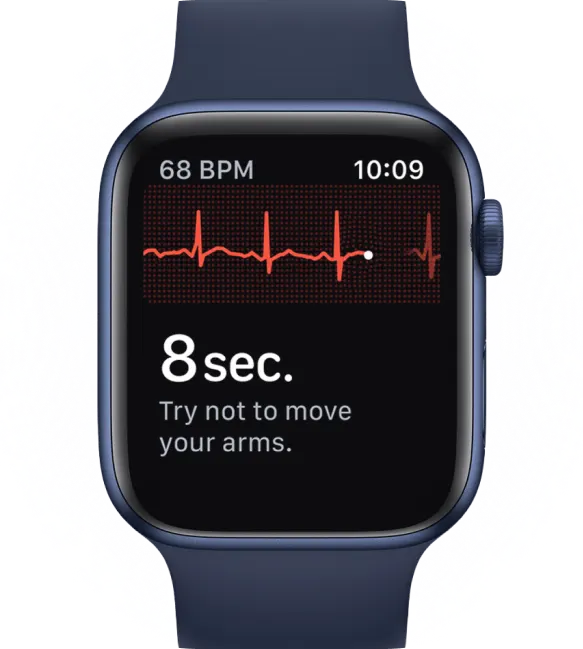
Qaly provides expert, human-reviewed analysis of your wearable ECGs from devices like Apple Watch, Kardia, or Fitbit in minutes.



.png)
.png)