




Key Takeaways

User Profile
Prozac, known by its generic name fluoxetine, comes with a range of possible side effects. Many are common and mild, like nausea or trouble sleeping, while others, like heart palpitations, are less frequent but can feel more alarming. The good news is that most of these initial effects are your body's way of getting used to the medicine, and they often fade over the first few weeks.
Your Guide to Prozac and What to Expect
Hello, heart hero. Taking that first step with a new medication like Prozac is a big deal, and it's completely normal to have questions, especially about how it could affect your heart. We know that navigating the healthcare system can be frustrating, and you're here because you take your health seriously and you're looking for clear, reliable answers. Think of this guide as a friendly conversation, here to walk you through what to expect with empathy and clarity.

What This Guide Covers
We’ll dive into everything from the common adjustments your body might make during the initial weeks to the less common but more serious possibilities, like heart palpitations. Our mission is to arm you with knowledge so you can feel more in control, know what to look out for, and understand exactly what to do if you notice anything concerning. You’re not in this alone, and simply by seeking out this information, you're taking a powerful step forward.
It's also a smart move to broaden your perspective by understanding the hidden risks of medications in a general sense. When you grasp the bigger picture, you're better equipped to have meaningful conversations with your doctor and act as a true partner in your own care.
We believe that knowledge is power. When you understand what to expect from a medication, you can move from a place of anxiety to a position of control, equipped to handle any changes that come your way.
If you happen to be researching different antidepressants, you may also find it helpful to read our guide on the side effects of escitalopram, another common SSRI. While similar, these medications have their own distinct profiles, and comparing them can give you a more complete view for your health journey.
Common Side Effects When Starting Prozac
When you first begin taking Prozac, your body needs some time to adjust. Think of it like breaking in a new pair of shoes; there’s often a brief adaptation period where things might feel a bit off. The reassuring part is that many of these initial side effects are temporary and tend to fade after the first few weeks.
These early effects happen because Prozac works by changing the levels of serotonin, a chemical messenger, in your brain. While this is great for regulating mood, serotonin also plays a role in digestion, sleep, and other bodily functions. This can lead to some temporary disruptions as your system gets used to the new normal. Understanding this can make the experience feel less alarming.
Navigating the Initial Adjustment Period
Some of the most frequently reported side effects when starting Prozac are related to your gut and your sleep. It’s not uncommon to feel a bit nauseous, notice a dip in your appetite, or feel drowsy during the day.
Here are a few practical tips to help manage these common issues:
- For Nausea: Try taking your medication with food or a small snack. This often helps buffer your stomach and can reduce that queasy feeling.
- For Sleep Issues: If you feel drowsy, taking Prozac at night might be a better option. On the flip side, if it keeps you awake, a morning dose could work better. It's always best to discuss timing with your doctor.
- For Appetite Changes: If your appetite drops, try focusing on small, nutrient-dense meals throughout the day instead of three large ones.
It’s also important to know about other potential effects. For instance, SSRIs like fluoxetine are known to increase bleeding risks. This might show up as your gums bleeding more easily when you brush your teeth, prolonged nosebleeds, or even gastrointestinal issues. This risk is higher if you also take aspirin or NSAIDs like ibuprofen.
Recognizing Serotonin Syndrome Symptoms
While most initial side effects of Prozac are mild, it’s critical to know the signs of a rare but serious condition called serotonin syndrome. This happens when serotonin levels in your body become dangerously high.
Serotonin syndrome is a life-threatening condition that requires immediate medical attention. Knowing the symptoms empowers you to act quickly and protect your health.
Key symptoms to watch for include:
- Shivering and diarrhea
- Confusion or agitation
- Muscle tightness or rigidity
- High fever
- Seizures
If you experience a combination of these symptoms, especially if they are severe or come on suddenly, you should seek emergency medical help right away. Being informed about these red flags is an essential part of using this medication safely.
In our next section, we’ll focus specifically on how Prozac can affect your heart and what symptoms like palpitations might mean. If you want to get a better handle on what those heart symptoms can feel like, you might be interested in our guide on what heart palpitations feel like.
How Prozac Can Affect Your Heart Rhythm
If you've recently started Prozac, you might be feeling a mix of hope and, let's be honest, a little bit of worry. It's completely normal to feel a racing heartbeat or palpitations and immediately wonder if it's connected to your new medication. We're here to help clear up the confusion and give you the information you deserve.
This section is all about Prozac's effects on your heart. We'll break down what these potential changes mean, what they might feel like, and why keeping an eye on your heart health is so important on this journey.
When you start any new medication, your body needs time to adjust. It's common to go through some temporary hurdles as you adapt. Things like nausea or changes in appetite and sleep are pretty standard. But when it comes to symptoms involving your heart, it pays to be a little more vigilant.


Understanding QTc Prolongation
One of the main cardiac concerns with Prozac is something called QTc prolongation. It sounds complicated, but the idea behind it is actually pretty simple.
Think of your heart's electrical system like a perfectly timed orchestra. Each beat follows a precise rhythm to pump blood effectively. QTc prolongation means one part of that rhythm, the QT interval, lasts just a fraction of a second too long. It’s like a musician holding a note for a beat too long, which can sometimes throw the rest of the orchestra off-key.
For many people, this tiny delay is minor and doesn't cause any problems. However, for others, especially those with existing heart conditions or who are taking other medications that also affect the QT interval, it can raise the risk of a more serious irregular heartbeat.
A prolonged QTc interval is an electrical "glitch" that can sometimes lead to serious arrhythmias. Monitoring this interval gives you and your doctor a direct look at how the medication is interacting with your heart's unique rhythm.
What Heart Symptoms Should You Watch For?
While most people do just fine, it's crucial to know the red flags. Serious side effects can include ventricular arrhythmias, which are fast and chaotic heartbeats that prevent your heart from pumping blood properly.
Be on the lookout for any of these symptoms:
- A heart rate that feels too fast, too slow, or noticeably irregular
- Shortness of breath, especially when you're not exerting yourself
- Feeling dizzy, lightheaded, or like you're about to faint
- Fainting or any unexplained loss of consciousness
Official data on fluoxetine shows just how important it is to take these symptoms seriously. Looking at adverse events reported, hospitalization is the leading outcome at 29.61%, with death at 13.31% and life-threatening events at 8%. These events often occur within the first month of starting the medication, which is why paying attention early on is so critical.
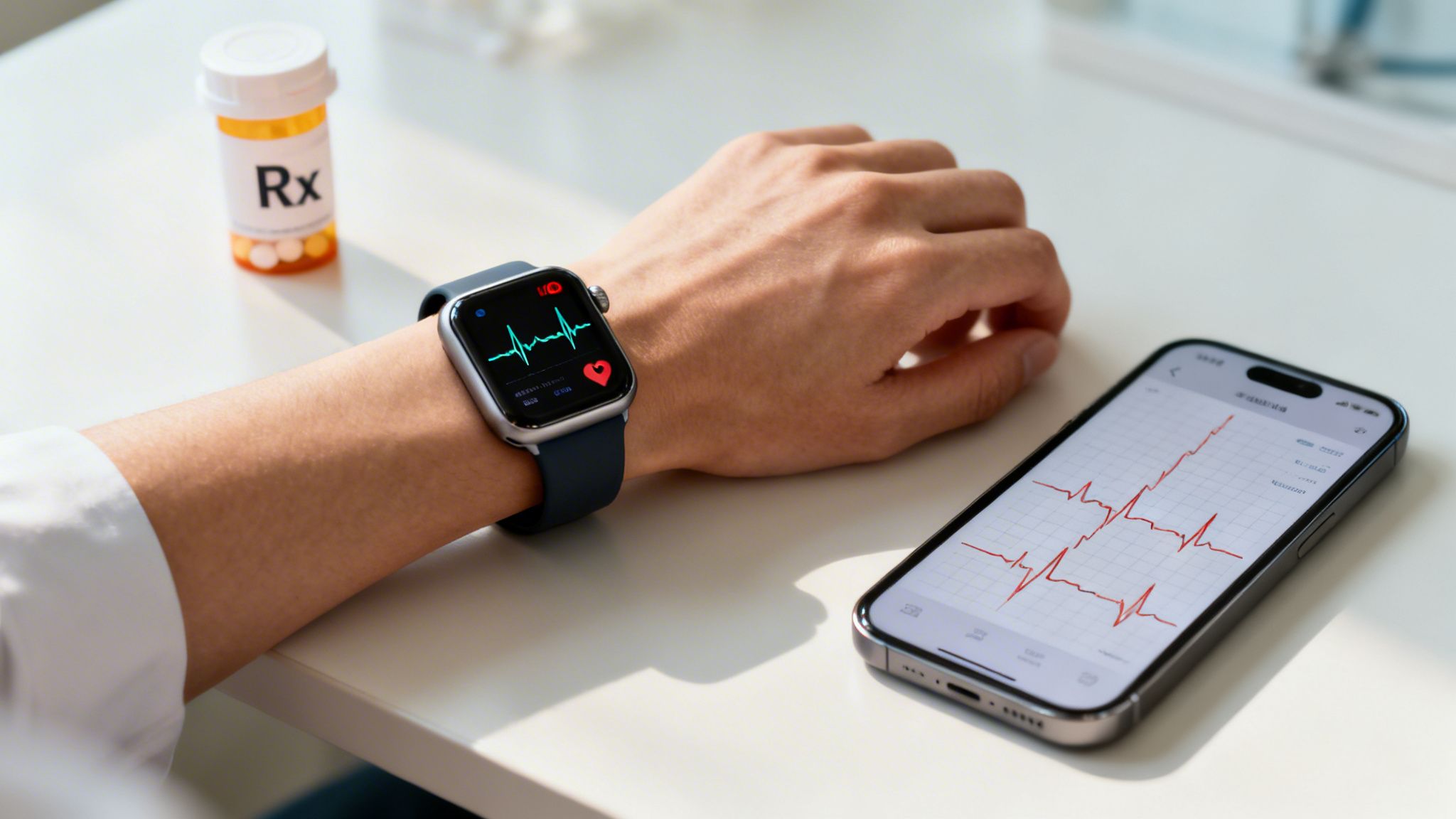
With at-home ECG devices, you have the power to catch these changes. A service like Qaly's 24/7 human-reviewed ECG analysis can help you quickly make sense of what your watch is seeing, giving you clear information to share with your doctor. Prozac isn't the only medication with this risk, either. If you're interested, you can learn more from our guide on drugs that cause a prolonged QT interval.
Using Wearable ECGs to Monitor Your Heart Health
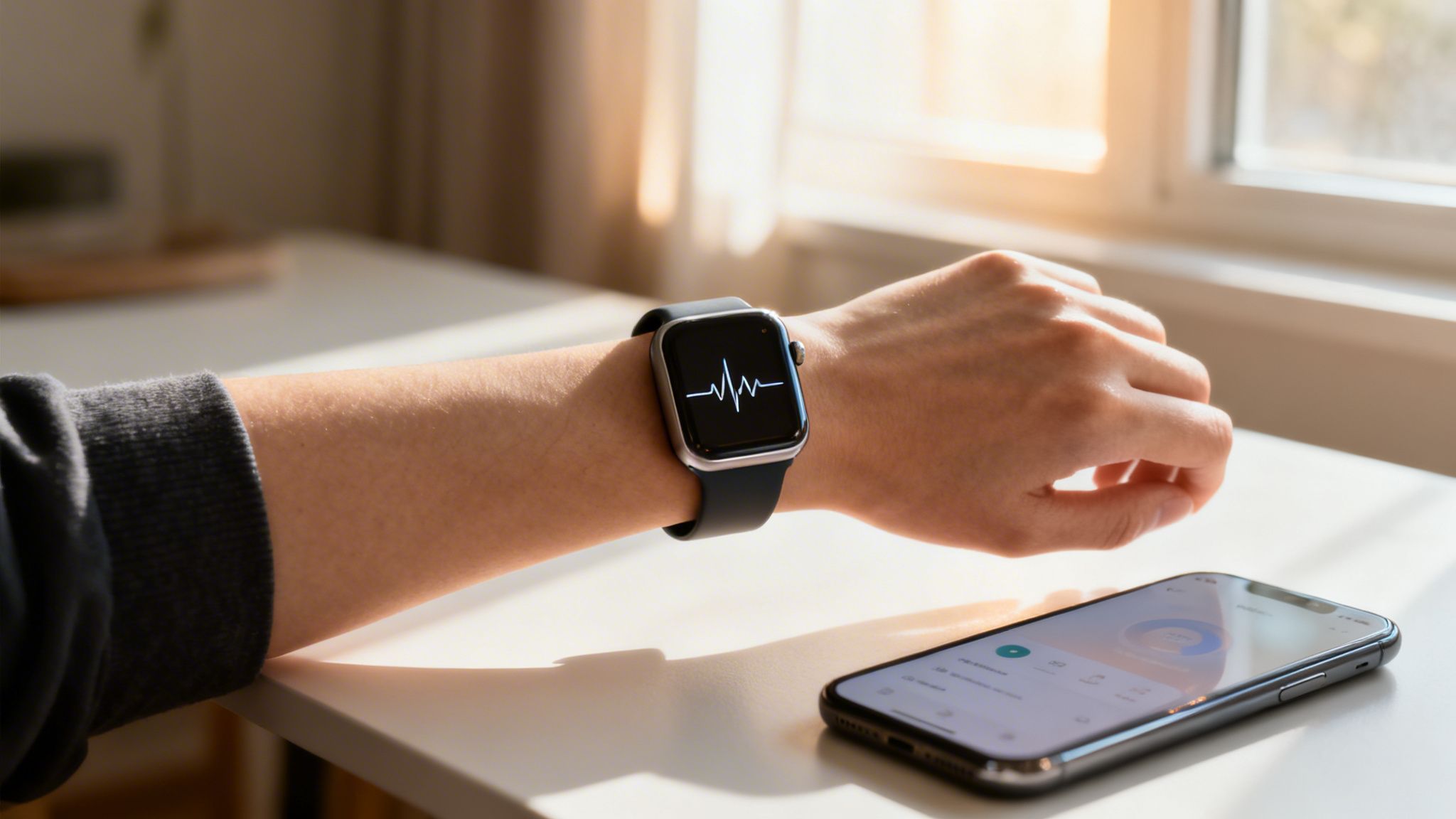
If you're worried about the side effects of Prozac, especially how it could impact your heart, you're certainly not alone. It’s completely natural to want to stay on top of your own health. The good news is, today's technology makes it easier than ever to do just that, right from your own wrist.
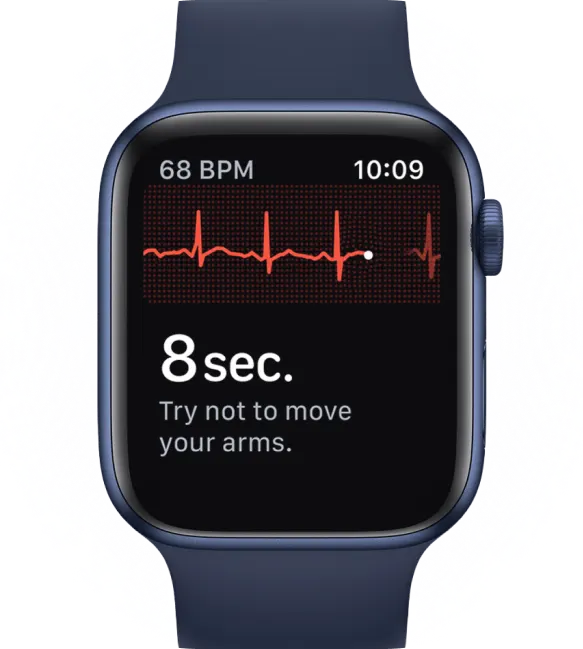
Modern smartwatches are so much more than fancy step trackers. Devices like the Apple Watch, Samsung Watch, and Fitbit now have sensors capable of recording a single-lead electrocardiogram, or ECG. You can think of it as taking a snapshot of your heart’s electrical activity.
This amazing feature lets you capture your heart rhythm the very moment you feel a symptom, whether it's a flutter, a palpitation, or a dizzy spell. Instead of trying to explain a fleeting sensation to your doctor days later, you can show them exactly what was happening. That’s powerful.
How to Get Clear and Actionable Insights
So you've recorded an ECG on your watch... now what? Staring at those squiggly lines and numbers can be more confusing than helpful, and trying to guess what they mean might just create more anxiety. This is where a personal expert can step in to help.
A service like the Qaly app was created to bridge this exact gap. Rather than trying to decode the ECG yourself, you can securely send it to a team of certified cardiographic technicians, anytime, day or night. These human experts are trained to spot over 30 different heart rhythm conditions. If you want to learn more, check out our guide on how the ECG for Apple Watch works and what it can reveal.
Having an expert look at your ECG gives you more than just data; it gives you context. This allows you to have a much more productive conversation with your doctor, turning "I felt something weird" into "Here is an ECG of what I felt."
These technicians analyze your recordings and send back a clear report, often within minutes. This report doesn't just look for potential arrhythmias; it also measures key metrics that are especially relevant when you’re taking a medication like Prozac.
One of these crucial measurements is your QTc interval. As we've talked about, a prolonged QTc can be a concern with some medications. Having this interval professionally measured gives you objective data that you can track over time and share directly with your doctor. It’s a practical, proactive way to monitor how Prozac is affecting your unique heart rhythm, giving you both peace of mind and solid information for your health journey.
What to Do If You Experience Heart Symptoms
It’s scary to feel something new with your heart, especially when you're taking a medication like Prozac. That flutter, racing sensation, or sudden dizziness can be really unsettling. But instead of just worrying, you can take control of the situation by turning that fleeting moment into solid information for your doctor.
Having a plan transforms a moment of anxiety into an opportunity to get answers. Let's walk through what you can do the next time you feel a symptom.
A Step-by-Step Guide for Action
The next time you feel that flutter or racing sensation, don't just wait for it to pass. That exact moment is your best chance to capture what’s happening with your wearable ECG.
- Capture the Moment: The instant you feel a heart-related symptom, use your smartwatch (like an Apple Watch, Fitbit, or Samsung Watch) to take an ECG recording. This creates a direct snapshot of your heart’s electrical activity right when the symptom is occurring.
- Get an Expert Analysis: Immediately send that ECG to an app like Qaly. Instead of trying to decipher the squiggly lines yourself, our certified technicians are on standby 24/7 to analyze it for you.
- Receive a Clear Report: Within minutes, you'll get a report back that explains what the technicians see. This report will measure key data points, like your QTc interval, and check for any arrhythmias, giving you concrete, objective information.
This simple, three-step process is designed to replace anxiety with real answers, right when you need them.
The most powerful thing you can do when you feel a symptom is to capture it. An ECG taken during a palpitation provides objective data that is infinitely more valuable than trying to describe a fleeting feeling to your doctor later.
Having a Productive Conversation with Your Doctor
The final, and most important, step is sharing this information with your healthcare provider. A report from Qaly gives your doctor real data to work with, turning a vague complaint like "I felt a flutter" into a data-driven conversation about your heart's activity.
Here's something absolutely critical to remember: never stop or change your medication dosage on your own. Stopping an antidepressant abruptly can trigger its own challenging withdrawal symptoms. Always talk to your doctor first. They will use the ECG data you've gathered to make the safest, most informed decision for your treatment plan.
Sharing Heart Data with Your Doctor Effectively
One of the biggest frustrations with symptoms like heart palpitations is trying to explain them to your doctor. It's tough, especially when they come and go. You might even feel like you're not being heard if a standard in-office ECG comes back normal. This is where you can step in and take charge of the conversation with real data.
Many of us feel a little skeptical about the healthcare system sometimes, and that's understandable. It’s why taking control of your own health information is so empowering. When you show up to your appointment with a detailed report from an app like Qaly, you completely change the conversation.
From a Vague Feeling to Hard Data
Think about the difference between these two conversations. First, you could say, "I think I felt my heart flutter a few times last week." Or, you could say, "Here are three ECGs I took this week, each analyzed by a professional, showing this specific arrhythmia at these exact times." See the difference?
A detailed report gives your doctor so much more to work with. These reports aren't just a mess of squiggly lines; they're professional summaries that usually include:
- The actual ECG strip from the moment you felt the symptom.
- Key measurements, like your heart rate and your QTc interval.
- A clear interpretation from a certified technician explaining what they're seeing.
This kind of data turns a fleeting, subjective feeling into a solid, actionable piece of evidence. It helps you become a true partner in your own healthcare, making sure your concerns are seen and taken seriously.
This empowers your doctor to make much better decisions about your care. They can see exactly what you felt, figure out if it's clinically important, and decide on the best next steps. This could mean tweaking your Prozac dose, trying a new medication, or ordering more tests. It all starts with you having the data in your hands.
Frequently Asked Questions About Prozac Side Effects
Starting a new medication always comes with a few questions. We get it. Let’s walk through some of the most common things people wonder about when it comes to Prozac and its side effects.
Can Prozac Cause Heart Palpitations to Start Suddenly?
Yes, it can. For some people, Prozac can trigger heart palpitations, which might feel like a flutter, a racing sensation, or a forceful pounding in your chest. This happens because of the way the medication can interact with your heart's electrical signals.
While these sensations aren't always a sign of something serious, you should never ignore them. Capturing these moments with a wearable ECG is a great way to get clear, objective data that you can share with your doctor for a proper look.
How Long Do the Side Effects of Prozac Usually Last?
Many of the more common side effects, like nausea or changes in your sleep, tend to be most noticeable during the first one to four weeks. As your body gets used to the medication, these often fade away.
However, certain effects, especially those affecting your heart, might stick around. That's why it's so important to keep a close eye on any symptoms that continue and have an open conversation with your healthcare provider about them.
Consistent monitoring helps you and your doctor decide if the side effects are temporary or if your treatment plan needs an adjustment. It puts you in control of the conversation.
Should I Stop Taking Prozac If I Feel My Heart Racing?
No, you should never stop taking Prozac or any antidepressant cold turkey without talking to your doctor first. Stopping abruptly can lead to some pretty unpleasant withdrawal-like symptoms.
If you do feel your heart racing, the best course of action is to document it, ideally with an ECG reading from your watch, and get in touch with your doctor right away. Sharing the data you've collected will give them a much clearer picture of what's going on.

Ready to turn confusing ECG data into clear, actionable insights? Qaly provides human-powered analysis of your smartwatch ECGs in minutes, giving you peace of mind and data-driven reports to share with your doctor.



.png)
.png)