


Key Takeaways

User Profile
Hello Heart Hero. Starting a new medication like venlafaxine can bring a mix of emotions, hope for feeling better, but also a bit of worry about the unknown. If you're looking into the side effects of venlafaxine, especially how it might affect your heart, it's easy to feel overwhelmed. We understand that you might be feeling skeptical about the usual healthcare advice, and you're looking for real answers. This guide is here to cut through the noise and give you clear, straightforward information you can trust.
Your Guide to Understanding Venlafaxine
Let's be real, navigating health information online can be stressful. You're looking for trustworthy information that doesn't require a medical degree to understand, and you want to feel prepared, not panicked. That’s our goal here.
Think of this as a friendly chat, breaking down the essential information you need. We'll get into what venlafaxine is, why it's prescribed, and how it actually works in your body, all in simple terms.
What Is Venlafaxine and Why Is It Used?
Venlafaxine, which you might know by its brand name Effexor, is an antidepressant called a Serotonin-Norepinephrine Reuptake Inhibitor (SNRI). Its job is to fine-tune the levels of two key chemicals in your brain: serotonin and norepinephrine. By giving these brain messengers a boost, it can significantly lift your mood and ease anxiety.
Doctors often prescribe it to help manage several conditions:
- Major Depressive Disorder (MDD): For when you're dealing with persistent sadness or a loss of interest in things you once enjoyed.
- Generalized Anxiety Disorder (GAD): To calm the excessive, constant worry that can take over daily life.
- Social Anxiety Disorder (SAD): For overcoming the intense fear tied to social situations.
- Panic Disorder (PD): To help reduce how often and how intensely panic attacks happen.
Here’s the key thing to know: venlafaxine works on both serotonin (the "feel-good" chemical) and norepinephrine, which is tied to your body's "fight-or-flight" response. Because it influences norepinephrine, it can sometimes have effects outside of your mood, including on your heart. For example, a jump in norepinephrine can sometimes lead to heart palpitations. If you're worried about this, you can learn more about what causes heart palpitations in our detailed guide.
Understanding how your medication works is the first step to taking an active role in your health. Our goal is to put you in the driver's seat by demystifying venlafaxine and explaining what you might experience on your path to feeling better.
Exploring Common and Serious Side Effects
Starting venlafaxine is a unique journey for everyone, and your body's reaction will be personal to you. It's helpful to know what you might expect, from the temporary adjustments to more significant changes that mean it's time to talk to your doctor. This isn't about creating fear, but about building awareness so you can feel prepared and in control.
Many people notice side effects when they first start, but the good news is that they often fade within a few weeks as your body gets used to the medication. It’s like your system is learning to work with something new.
The Initial Adjustment Period
When you first begin taking venlafaxine, you might notice some physical and mental shifts. These are usually the most common side effects, and they typically don't stick around for long. Feeling these changes can be unsettling, but know that it's a very common part of the process.
Common early side effects can include:
- Nausea: This is one of the most frequently reported effects. Taking your dose with food can often make a big difference.
- Dizziness or Feeling Lightheaded: You might feel a bit unsteady, especially when standing up too quickly. It's a good idea to take your time when changing positions.
- Headaches: A dull headache can sometimes pop up as your brain chemistry adjusts to the new medication.
- Sweating: Some people notice they sweat more than usual, particularly at night.
- Dry Mouth: Keeping a water bottle nearby can help manage this common and sometimes annoying side effect.
- Abnormal Dreams: Your sleep might feel different, with more vivid or unusual dreams than you're used to.
These effects happen because venlafaxine is changing the levels of serotonin and norepinephrine in your brain. While they can be uncomfortable, they're often a sign that the medication is beginning to do its job.
Side Effects That May Require More Attention
While many initial side effects are temporary, some can stick around or be more disruptive. It’s important to be honest with yourself and your doctor about these experiences, as they can have a real impact on your quality of life. We hear you, and it's okay to speak up if something doesn't feel right.
Remember, noticing a side effect isn't a sign of failure. It's a crucial piece of information that helps you and your doctor find the best path forward for your health.
Sexual side effects are a sensitive but very real issue for many people taking antidepressants. This can mean a lower sex drive, difficulty with arousal, or trouble reaching orgasm. It can feel embarrassing to bring this up, but you're not alone, and your doctor is there to help without judgment.
Changes in appetite and sleep are also something to watch for. You might find you're less hungry than usual (anorexia) or that you have trouble falling or staying asleep (insomnia). These issues can drain your energy and affect your overall well-being, so they're important to track and discuss with your provider.
A large review of studies involving over 6,000 adults found that venlafaxine carries a significantly higher risk of unwanted effects compared to a placebo. The risk was 2.66 times greater, mainly driven by issues like sexual dysfunction and loss of appetite, which often lead people to stop their treatment. You can discover more about these findings directly from the study.
It's also wise to be aware of other potential issues. For instance, some drugs can affect your heart rhythm. If you're curious about this, you can read more about other medications that can cause atrial fibrillation to stay informed. Awareness is one of the best tools you have for managing your health proactively.
How Venlafaxine Can Affect Your Heart
It might seem odd that a medication for your mind could have a noticeable effect on your heart. But once you understand a little about how venlafaxine works, the connection becomes much clearer. This guide is here to walk you through the potential heart-related side effects, not to scare you, but to empower you with the knowledge to be an active partner in your own health.
Venlafaxine is what’s known as an SNRI. That means it gives a boost to two important brain chemicals: serotonin and norepinephrine. While serotonin is famous for its role in mood, norepinephrine is a key player in your body's "fight-or-flight" system. It's the chemical that makes your heart pound and sharpens your senses during a stressful event. By increasing norepinephrine levels, venlafaxine can sometimes make your heart act like it's under stress, even when you’re feeling perfectly calm.
This is a known part of how the medication functions, and it's precisely why keeping an eye on your heart health is so important while taking it. Let’s dive into the specific heart-related effects you should be aware of.
Heart Palpitations: Bumps and Flutters
One of the more common and noticeable side effects you might feel is heart palpitations. This can show up as a fluttering sensation, a feeling of a skipped beat, or a sudden, hard pounding in your chest. While these sensations are often harmless, they can definitely feel unsettling. We get it, and it's natural to be concerned.
Palpitations can happen because the extra norepinephrine from venlafaxine makes your heart muscle a bit more “excitable.” Think of it like giving your heart an extra shot of caffeine. For many people, this feeling is temporary and fades as the body gets used to the medication.
Still, it’s a smart move to jot down when these palpitations occur, how long they last, and what they feel like. This kind of specific information is incredibly helpful when you talk to your doctor.
Changes in Blood Pressure and Heart Rate
Because venlafaxine taps into that "fight-or-flight" response, it’s no surprise that it can sometimes nudge your blood pressure and heart rate upward. Some people experience a sustained increase in blood pressure, especially when taking higher doses. In fact, studies show that while about 3% of patients on lower doses see a rise in diastolic blood pressure, that figure can jump to 13% on higher doses.
You might also notice your heart rate is faster than usual, a condition known as tachycardia. This can feel like your heart is racing, even while you’re sitting still. A small bump might not be anything to worry about, but consistently high readings are something your doctor will definitely want to track.
Regularly checking your blood pressure and heart rate at home is a fantastic, proactive step. It gives both you and your doctor real-world data, turning a vague feeling of a "racing heart" into concrete numbers that can help guide your treatment plan.
Understanding QTc Interval Prolongation
This side effect has the most technical-sounding name, but the idea behind it is actually pretty simple. To pump blood, your heart relies on a precise electrical rhythm. The QTc interval is just a measurement of time. Specifically, it's the time it takes for your heart's main pumping chambers to contract and then fully reset for the next beat.

You can think of it like the shutter on a camera. To get a crisp photo, the shutter has to open and close at just the right speed. If it stays open too long (prolongation), the picture comes out blurry.
Similarly, if the QTc interval gets too long, it can throw off the heart's rhythm. In rare instances, this can lead to a dangerous type of irregular heartbeat called Torsades de Pointes. Venlafaxine is one of many medications known to carry a risk of prolonging the QTc interval. For most people, this risk is low, but it can be higher if you:
- Take other medications that also affect the QTc interval.
- Have a pre-existing heart condition.
- Have low blood levels of potassium or magnesium.
This is why your doctor might suggest an ECG before you start venlafaxine or during your treatment, particularly if you have any of these risk factors. Knowing about this potential side effect empowers you to ask smart questions and understand the "why" behind any monitoring your doctor recommends. If you'd like to learn more, our guide on drugs that can cause QT prolongation provides a more detailed look.
Actionable Steps for Heart Related Side Effects
That sudden flutter or racing feeling in your chest can be genuinely alarming, especially if you think your medication might be the cause. If you're noticing new heart symptoms while taking venlafaxine, the first step is to stay calm. Having a clear plan is the best way to move from a place of anxiety to one of confidence.
Let's walk through exactly what to do, which symptoms are red flags that need urgent attention, and which ones you can safely monitor and bring up with your doctor.
When to Seek Immediate Medical Help
Some symptoms are simply non-negotiable and should never be ignored. Your safety comes first, always. If you experience any of the following, please call 911 or head to the nearest emergency room right away.
- Chest pain, pressure, or tightness: This is the most critical warning sign.
- Severe dizziness or fainting: Feeling like you might pass out is a signal that something needs immediate evaluation.
- Shortness of breath: Trouble breathing, especially if it comes on suddenly, requires a professional check-up.
- Pain that spreads to your arm, jaw, or back: This can be another sign of a serious heart event.
It’s always better to be overly cautious and get checked out than to wait and wonder about symptoms like these.
Symptoms to Monitor and Discuss with Your Doctor
On the other hand, some heart-related effects may not be an immediate emergency but absolutely warrant a conversation with your healthcare provider. Think of these as important signals to track, so you can give your doctor the full picture.
You should book an appointment if you’re noticing:
- Frequent heart palpitations: An occasional flutter is one thing, but if they're becoming a regular occurrence, it’s time for a chat.
- A consistently fast heart rate: If you check your pulse and find your resting heart rate is staying high, let your doctor know.
- A noticeable increase in your blood pressure readings: For those who monitor blood pressure at home, a sustained jump in your numbers is crucial data to share.
When you notice these symptoms, it’s incredibly helpful to keep a simple log. Just jot down the date, time, what you were doing, and a quick note on how it felt. This kind of information is invaluable when you talk to your doctor.
Crucial Reminder: Never Stop Venlafaxine Suddenly
No matter how worried you might be about the side effects of venlafaxine, please do not stop taking your medication on your own. Stopping abruptly can trigger something called discontinuation syndrome, which can be intensely unpleasant and even dangerous. Symptoms can include severe dizziness, nausea, "brain zaps," and a sharp rebound of your original anxiety or depression. Always, always speak with your doctor first to create a safe plan for tapering off if that's the right decision for you.
Using Modern Tech to Monitor Your Heart Health
Feeling a strange heart flutter can be unsettling, especially when you know it might be one of the side effects of venlafaxine. But what if you could turn that moment of worry into a moment of action? The good news is, the technology many of us already own can help you capture exactly what’s happening, right when it happens.
The goal isn’t to become your own cardiologist. It’s about gathering clear, objective information that you can share with your doctor. Think of it as having a personal health ally, ready to help you record important data the moment you feel a symptom.
Your Personal ECG on Your Wrist
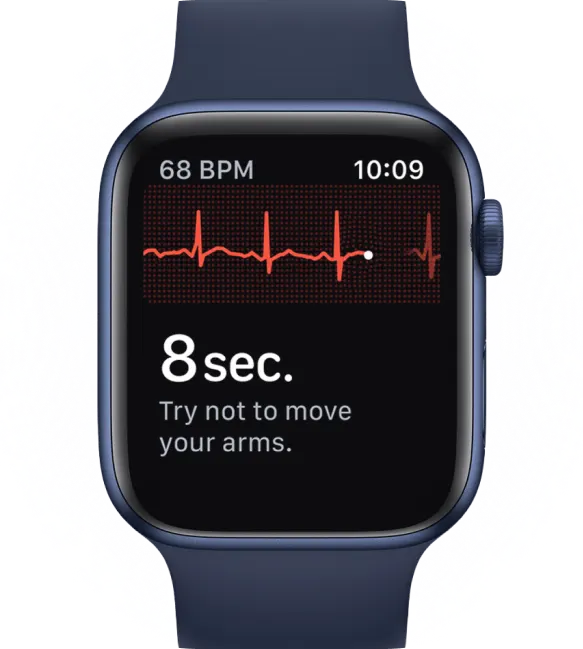
Not long ago, smartwatches like the Apple Watch, Samsung Galaxy Watch, and Fitbit were mostly for tracking steps. Now, many of them are equipped with a powerful ECG (electrocardiogram) feature. This means you have the ability to record your heart's electrical activity anytime, anywhere.
The process itself is surprisingly simple.
The moment you feel a palpitation, a racing heart, or any unusual sensation, find a calm spot to sit down. Open the ECG app on your watch, rest your arm on a table or your lap, and place your other finger on the watch's digital crown or sensor. Then, just stay still for about 30 seconds while it records your heart rhythm.
This simple action transforms a fleeting, hard-to-describe symptom into a tangible piece of health data. Instead of telling your doctor, "I felt a flutter yesterday," you can show them exactly what your heart was doing.
Taking an ECG when you feel a symptom is like taking a snapshot of your heart's activity. It captures a specific event that might otherwise be missed during a routine check-up, giving your doctor a clearer window into your experience.


From Raw Data to Clear Answers with Qaly
Recording an ECG is a fantastic first step, but the real power comes from knowing what it means. Your watch might give you a basic reading like "Normal Sinus Rhythm" or "Atrial Fibrillation," but what about the subtle details? More importantly, what about your QTc interval, which we know can be affected by venlafaxine?
This is where a service like Qaly comes in. Qaly acts as the bridge between your wearable device and expert human analysis. You simply take an ECG on your watch or a personal device like a KardiaMobile and upload it to the Qaly app.
Within minutes, a certified cardiographic technician reviews your recording. You get back a detailed, easy-to-understand report that provides more than just a simple label. It gives you precise measurements and clear explanations.
Your Qaly report can show you things like your heart rhythm and key interval measurements. For example, it can confirm rhythms like Atrial Fibrillation (AFib), Premature Ventricular Contractions (PVCs), or Supraventricular Tachycardia (SVT). It can also give you precise readings of your PR, QRS, and most importantly for anyone taking venlafaxine, your QTc interval. Finally, you get an expert narrative, which is a human-written summary explaining what the technician saw in your ECG in plain English.
_apple.webp)
This process turns that squiggly line on your watch into concrete, actionable insight. It’s the difference between feeling anxious about a symptom and having the data to truly understand it. For a deeper dive, you can explore the many benefits of remote patient monitoring and how it puts power back into your hands.
With this level of information, you're no longer just a passive patient. You become an informed partner in your own healthcare, ready to have a more productive, data-driven conversation with your doctor. This shift empowers you to manage the potential side effects of venlafaxine with confidence.
How to Have a Productive Conversation with Your Doctor
Let's be honest, talking to your doctor about medication side effects can be tough. It’s easy to feel rushed or dismissed, especially when you’re trying to describe something as fleeting as a heart flutter.
The goal is to move beyond feeling like you have to "prove" your symptoms and instead, become an informed partner in your own care. The way you do that is by preparing. Instead of just relying on memory, you can walk in with a clear, organized story of what you've been experiencing.
Prepare for Your Appointment
Before you even head to the clinic, a little prep work can make all the difference. Think of it like getting your notes ready for an important meeting. You want your key points and evidence on hand.
A simple symptom log is a great place to start. Every time you notice a heart flutter, a dizzy spell, or another side effect that worries you, jot it down.
Be sure to include a few key details:
- What you felt: Try to describe the sensation. Was it a flutter? A pounding? Did it feel like a skipped beat?
- When it happened: Note the date and time.
- What you were doing: Were you resting on the couch, walking up the stairs, or feeling stressed?
- How long it lasted: Did it pass in a few seconds, or did it linger for several minutes?
This simple log starts to turn a vague feeling into a concrete pattern your doctor can actually work with. It's the first step toward a much more productive discussion about the side effects of venlafaxine.
Change the Conversation with Data
Now, here’s where you can truly transform the conversation. Imagine the difference between saying, "I feel like my heart is racing sometimes," and saying, "Here's data from the last three weeks showing my heart rate and QTc interval during the episodes of palpitations I've been having."
This is the power of using a service like Qaly. When you capture an ECG on your smartwatch during a symptom and have it analyzed by a certified technician, you get a detailed report. This isn't just a squiggly line; it's a report packed with precise measurements.
Sharing a Qaly report with your doctor provides objective, clinical-quality data that validates your personal experience. It elevates the conversation from subjective feelings to concrete evidence, making it far easier for your doctor to grasp the full picture.
Bringing this kind of data to your appointment empowers you to have a more collaborative, peer-level conversation. You’re not just describing a problem, you’re presenting findings. This allows you and your doctor to work together to decide on the best path forward.
This might mean:
- Adjusting your dose: Sometimes a small tweak is all that's needed to resolve the issue.
- Trying a different medication: If the side effects are too much, another option might be a better fit.
- Further testing: Your data might be the trigger for your doctor to order more in-depth tests like a Holter monitor.
- Getting reassurance: The data might simply confirm that what you’re feeling is benign, which can bring incredible peace of mind.
By taking these steps, you put yourself at the center of your own care. You become an active participant, making sure your treatment plan not only addresses your original condition but also feels right for your total well-being.
Frequently Asked Questions About Venlafaxine
Even after learning a lot about venlafaxine, you might still have a few nagging questions. That's completely normal. Let's tackle some of the most common concerns people have when starting this medication.
How Long Do Side Effects Usually Last?
The good news is that many of the initial side effects, like nausea, dizziness, or headaches, are often just your body getting used to something new. Think of it as an adjustment period. These tend to be most noticeable right at the beginning and often start to fade away within a few weeks.
However, some side effects can stick around longer. If anything continues to bother you or gets in the way of you living your life, that’s always a good reason to have a conversation with your doctor.
Are the Side Effects Reversible?
Yes, almost all side effects from venlafaxine are reversible. Once you and your doctor decide to stop the medication and you taper off safely, the side effects should go away as the drug leaves your system. Your body will gradually return to how it was before.
This is especially true for things like sexual side effects or appetite changes, which typically resolve after stopping. The most important part is to never stop suddenly. Always follow the tapering plan your doctor creates for you.
Your body is resilient. With a proper plan from your doctor, you can navigate changes to your treatment, and most side effects will not be permanent.
What if Venlafaxine Is Not Right for Me?
If the side effects are just too much, or the medication isn't giving you the relief you were hoping for, please know that you have plenty of other options. It’s incredibly common for people to try more than one medication before finding the one that clicks.
Your doctor is your partner in this and can walk you through the alternatives. These might include:
- Another SNRI: Sometimes, a different key fits the same lock better. Another medication in the same class could be a great fit.
- An SSRI: This is another major class of antidepressants that works in a slightly different way.
- Other classes of medication: The world of mental health treatment is vast. There are many different approaches to consider.
Being open with your doctor about your experience is the single most important step. It's the start of a new plan to find a treatment that works for you, with side effects you can comfortably manage.

Qaly provides expert analysis of your ECGs from your smartwatch or Kardia device in minutes.



.png)
.png)