


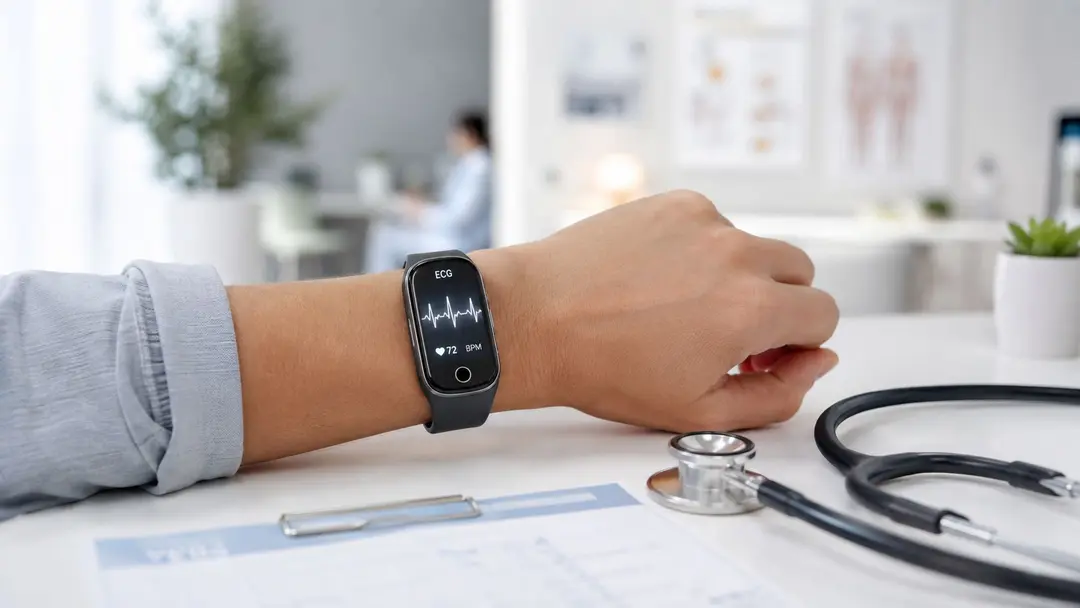


Hello Heart Hero. You know the feeling. Your heart suddenly skips, flutters, or pounds so hard that you stop what you're doing and wonder if something serious is happening. That moment can be frightening, especially when the system feels slow, rushed, or too eager to brush things off.
A heart palpitations diagnosis is really a detective job. The key question is not just whether your heart felt odd, but what rhythm was happening at that exact moment, what triggered it, and whether the cause lives in the heart or somewhere else in the body. If you've been told “it's probably stress” without a clear explanation, you're not alone, and you're not wrong to want more proof. A simple place to start is understanding what heart palpitations feel like, because describing the sensation clearly can change the whole conversation.
Hello Heart Hero and Welcome to Your Diagnosis Journey
A woman feels a sudden flutter in her chest while she's standing in line for coffee. By the time she reaches an urgent appointment, the rhythm feels normal again, and the office ECG looks fine. That doesn't mean nothing happened. It usually means the rhythm wasn't captured while the symptom was active.
That's the part that frustrates a lot of people. The symptom is real, but the evidence can disappear before anyone records it. Clinicians know this, which is why they keep asking about timing, triggers, duration, and what the sensation felt like in plain language.
Practical rule: if a symptom comes and goes, the diagnosis has to catch up with the symptom, not the other way around.
Modern monitoring tools matter. They help turn a scary, hard-to-explain moment into a record that a clinician can review. That record can shorten the distance between “I felt something” and “here's what the rhythm was doing.”
The goal here is simple. You want to understand how doctors sort through palpitations, what tests are worth paying attention to, and how to advocate for yourself without feeling dismissed. Once you see the logic, the process feels less random and a lot less intimidating.
Why Palpitations Happen and What Doctors Look For
A palpitation is a symptom, not a diagnosis. People often describe it as a “skipping, pounding, fluttering” sensation, and the clinical question is whether it reflects a normal heartbeat that feels more noticeable or a rhythm change that needs attention (NCBI Clinical Methods).
That is why clinicians ask so many careful questions. In one review, palpitations accounted for 16% of visits to generalist physicians and were the second leading cause of visits to cardiologists (AAFP). In a prospective cohort of 190 patients, clinicians found an underlying cause in 84% of cases, with 43% due to cardiac causes, 31% due to anxiety or panic disorder, 6% due to drugs or medications, and 16% unexplained. The same review also reports panic disorder in 15% to 31% of patients with palpitations, which shows why doctors keep an open list of possibilities instead of settling on one explanation too early (AAFP).

Why the questions feel so detailed
A clinician is sorting out pattern, trigger, and risk. Stress, caffeine, medications, panic symptoms, and rhythm disorders can feel similar from the inside, but they do not lead to the same next step. That is why the history matters so much, and why the answers you give can shape the whole diagnostic path.
A useful way to think about the workup is this:
- Cardiac causes need rhythm-focused testing.
- Medication or stimulant triggers need a careful review of what you take or consume.
- Psychological triggers still deserve respect, because they can intensify symptoms and change how often episodes happen.
- Unexplained episodes often need more observation, not less.
Palpitations become clearer when you treat them like a pattern problem, not a character flaw.
The earliest clue is often your own description. Did it feel like a racing run of beats, a skipped beat, a thump, or an uneven flutter? Did it start at rest, after caffeine, during stress, or while lying down? Those details help clinicians decide whether they are looking at a rhythm issue, a trigger, or both. A practical next step is to compare what you felt with a recorded tracing, and that is where the basics of Holter-style monitoring can help make the process easier to discuss with your care team.
The Challenge of Capturing the Rhythm
A palpitations workup often hinges on a simple requirement, the rhythm has to be recorded while the symptom is happening. A 12-lead ECG gives a useful reference point, but a normal tracing after the episode ends does not rule out a real rhythm problem (PMC review). That mismatch is one reason people leave a visit feeling unsettled. The symptom was real, yet the test looked normal.
The recording plan changes with symptom frequency. If palpitations happen every day or nearly every day, a short monitor can often catch them. If they come and go unpredictably, longer observation is usually needed, and Mayo Clinic notes that Holter monitoring is worn for a day or more when palpitations are not found on a regular ECG, while an event recorder is typically worn for up to 30 days when symptoms happen less often (Mayo Clinic). A practical guide to cardiac monitoring with Holter shows how monitor choice depends on how often the episodes appear.
For a plain-language explanation of what an electrocardiogram measures, it helps to know that the ECG is tracking the heart's electrical pattern, not just the heartbeat you feel. That simple idea makes monitor reports less mysterious.
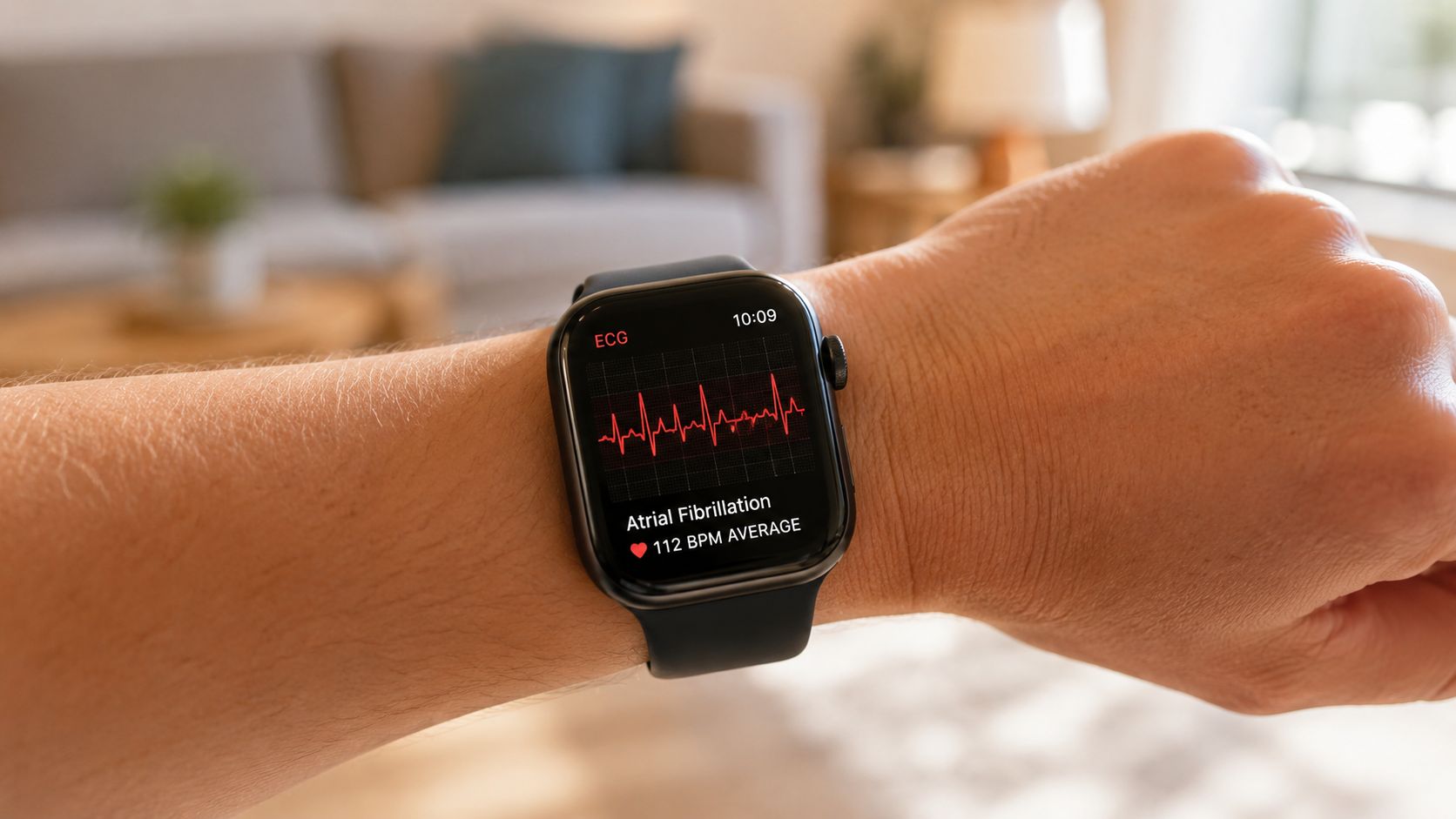
Why a normal office ECG can still miss the answer
A short ECG is like a security camera that records only a brief hallway moment. If the rhythm change happens outside that window, the tracing can look normal even though the symptom happened for real.
That is why timing matters so much. A standard office ECG is useful when it catches the episode, but palpitations are often intermittent, so ambulatory monitoring extends the recording window until the rhythm and the symptom line up.
Practical rule: when symptoms are sporadic, the best test is the one most likely to be running when the symptom starts.
That is also why patients often need to advocate for the right kind of monitoring instead of assuming a single normal office test settles the question. A monitor that stays on long enough can turn a vague complaint into a rhythm strip a clinician can review with confidence.
Bridging the Gap with Wearable ECG Technology
Waiting for a monitor to catch a rare episode can feel maddening. The palpitations happen at home, at night, or while you're busy living your day, then they vanish before the appointment window opens. Wearable ECGs help narrow that gap because they let you record the rhythm when you feel the symptom, not only when a clinic schedule says it's time.
Apple Watch, Kardia, and similar devices give you a way to save the moment. That doesn't replace medical evaluation, but it does create something many people never have before, a symptom diary with electrical evidence. If you can show a clinician a recording tied to the exact time you felt the flutter, the conversation becomes much more concrete.
Qaly is one option in that space. It connects at-home and wearable ECG recordings to CCT-certified review and provides human-read analysis of rhythms, which can help turn a vague episode into something you can bring to a clinician with context. The point isn't hype. The point is that a reviewed strip can make the story easier to trust and easier to act on.
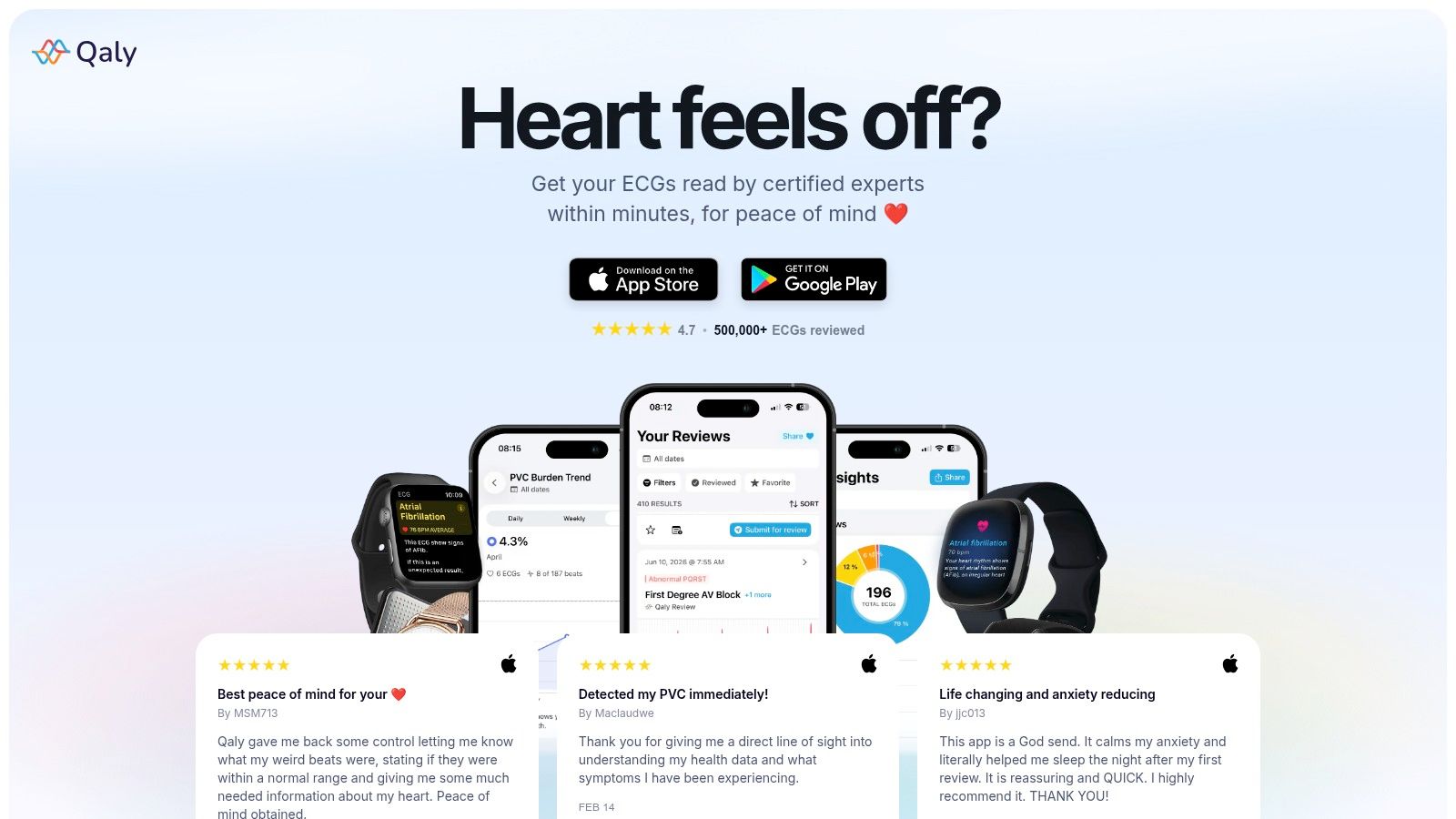
Traditional monitoring versus wearable capture
A clinic monitor is still valuable, especially when symptoms are frequent enough to reproduce. But wearable capture has a different strength, it follows you into the places where symptoms happen. That matters when episodes are brief, unpredictable, or triggered by real-life stressors that don't show up on command.
The Qaly article on continuous rhythm monitoring is worth reading if you want to understand how repeated checks can reveal trends that a single visit would miss. Over time, those strips can show whether a sensation is happening with a normal rhythm, a premature beat pattern, or something more specific that deserves follow-up.
Here's the practical advantage for someone who feels stuck:
- You record the symptom fast. That matters when the episode is short.
- You attach a timestamp. That helps match the rhythm to what you were doing.
- You bring proof to the appointment. That can reduce the “it's probably nothing” loop.
- You track change over time. Repeated episodes become easier to compare.
A wearable ECG also gives you a way to stay calm without guessing. If the rhythm looks normal during symptoms, that's useful information too. It doesn't mean the sensation was fake, it means the sensation may not have come from a dangerous rhythm.
Get your ECG checked by certified experts within minutes on the Qaly app.


Looking Beyond the Heart for Hidden Triggers
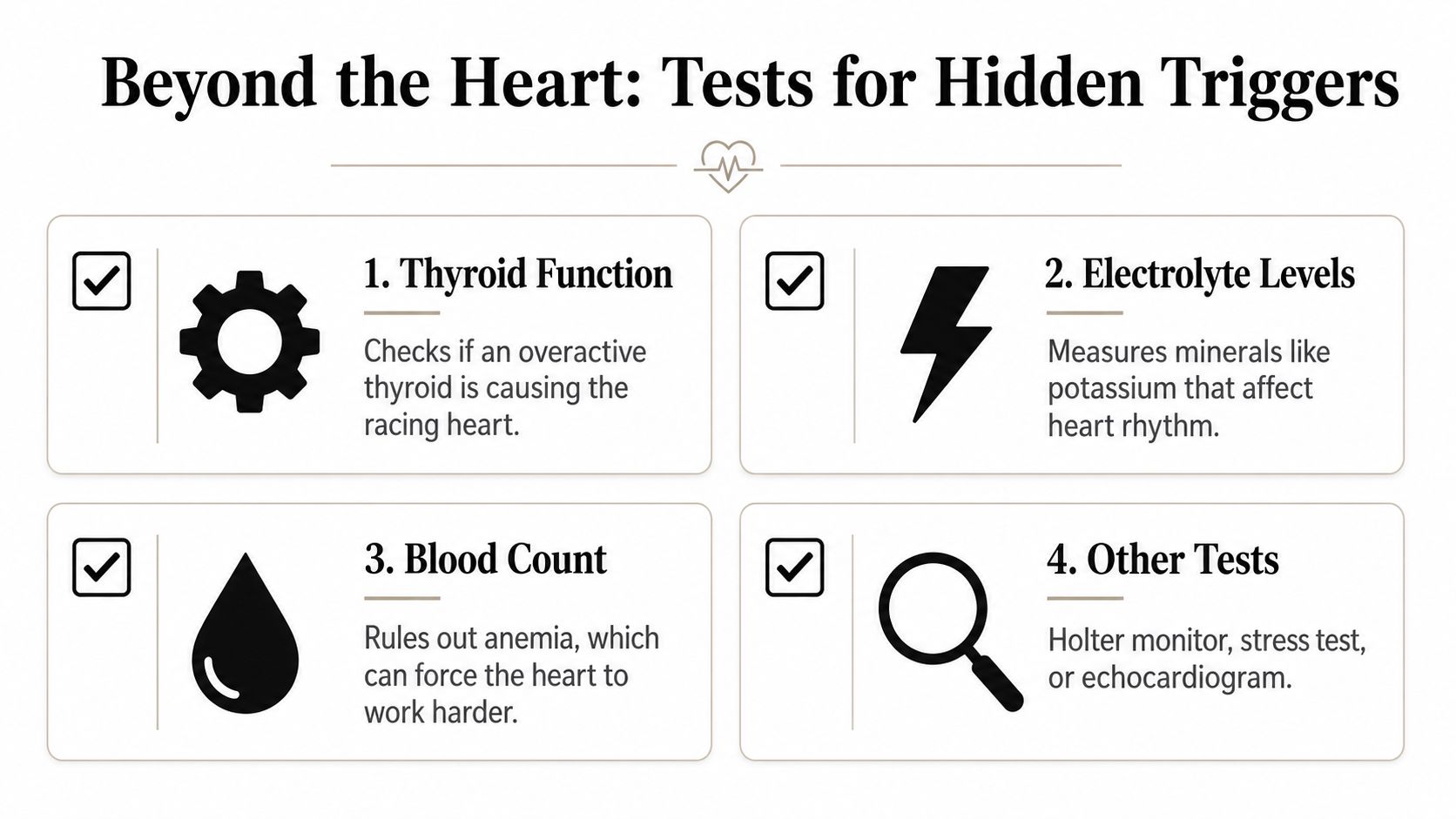
A palpitation can feel like a problem coming from the chest, but the trigger may start elsewhere. In a heart palpitations diagnosis, clinicians often check for body-wide causes because the heart's electrical system can react to changes in the rest of the body. Blood work helps look for anemia, electrolyte shifts, and thyroid problems, all of which can contribute to a racing or fluttering heartbeat.
The common tests and why they matter
A blood draw can answer questions that an ECG cannot. A CBC helps check for anemia, which can make the heart work harder to move oxygen around the body. Electrolytes matter because small mineral changes can affect electrical stability. Thyroid testing matters because an overactive thyroid can drive a fast, uneasy rhythm.
ECG findings can also point toward a specific rhythm problem. A prolonged QT can raise concern for polymorphic ventricular tachycardia, while a short PR interval or delta wave can suggest an accessory pathway such as Wolff-Parkinson-White. That is why the rhythm strip and the rest of the clinical picture need to be read together, like matching a single puzzle piece to the full image.
What happens when the trigger isn't emotional
A common fear is that if the cause is not cardiac, the concern will be dismissed as emotional. Careful clinicians should not treat it that way. Physical triggers can coexist with stress, and one does not cancel out the other.
If you have been carrying health anxiety, healing from health anxiety can help alongside medical testing. It does not replace rhythm evaluation, but it can make the waiting period less overwhelming. If you want a clear explanation of the stress-rhythm link, this guide on understanding if anxiety can cause arrhythmia gives useful context.
A practical visit checklist can help you feel more prepared:
- Ask which labs are being ordered. It is reasonable to know why each one is part of the workup.
- Mention recent medication changes. Even routine changes can affect symptoms.
- Describe stimulant use. That includes caffeine and supplements.
- Bring your wearable ECG strips. Those can show whether the rhythm stayed regular during symptoms.
The earlier family practice study also found that history, physical examination, and ECG or laboratory data explained many causes in that cohort of patients (PMC study). In plain terms, the first round of evaluation often answers more than people expect, as long as the right details are on the table.
How to Prepare for Your Cardiology Appointment
Bring evidence, not just worry. That changes the tone of the visit immediately. If you walk in with a clear log of when symptoms happen, what you were doing, what you felt, and any wearable ECG recordings, the clinician can spend less time guessing and more time deciding what the rhythm means.
What to gather before you go
Start with the basics. A short written summary often works better than trying to remember everything in the room. Keep it simple and honest.
- Symptom timing: note when the palpitations start and stop.
- Trigger patterns: write down caffeine, stress, exercise, sleep loss, and any medication changes.
- Device recordings: bring any Apple Watch, Kardia, or other wearable ECG strips you've saved.
- Questions: ask what rhythm they're looking for, what test comes next, and how long to monitor if the first test is normal.
A report reviewed by a human ECG technician can help validate that the symptom was worth investigating, especially if the pattern is intermittent and easy to miss during a standard office visit. That kind of documentation can make a referral feel less like a debate and more like a plan.
You can also use the appointment to clarify the next step if your first ECG is normal. A normal snapshot is reassuring, but it doesn't end the story if your episodes keep coming back. If you know how often they happen, your clinician can choose a short monitor, a longer event recorder, or a different follow-up strategy.
Good question to ask: “If this doesn't happen during the visit, what's the best way for me to capture it the next time it starts?”
That question shifts the focus from one appointment to the full diagnostic journey. It shows you're not looking for drama, you're looking for data.
Finding Peace of Mind Through Proactive Monitoring
The hardest part of palpitations is often the waiting. Waiting for the next episode. Waiting for the monitor. Waiting for someone to say whether the rhythm matters. Proactive monitoring shortens that gap and gives you something solid to hold onto while the answers come together.
If you live with other chronic risks, keeping an eye on heart rhythm can fit into broader self-management too, especially if you're trying to manage diabetes and heart disease alongside palpitations. The more clearly you see your patterns, the easier it is to show up prepared instead of overwhelmed.
The big shift is this. You're not stuck hoping a symptom happens in front of the right machine. You can record it, review it, and bring it into the clinical conversation with context. That won't eliminate uncertainty overnight, but it does put you back in the driver's seat.
Keep track. Keep asking questions. Keep saving the strips that match the moments that scare you. You're doing the most important part of the work already, paying attention to your own heart and making sure it gets heard.
Catching palpitations on ECG? Certified experts review your recording within minutes.


